Collecting Ant Specimens, featured in Cambridge 8 (an official book of practice tests for the IELTS), Test 4, Reading Passage 3, looks at the different ways researchers collect ants for taxonomic and ecological studies. The passage covers methods such as hand collecting, baiting, ground litter sampling, and pitfall traps, along with the tools and conditions used for each.
The questions check how well you can find specific information, distinguish between similar collection methods, and follow details in a process. Some answers can also be tricky because the passage mentions similar materials, such as alcohol, in more than one method.
In the sections below, you’ll find all Collecting Ant Specimens Reading Answers with clear explanations and practical tips to help you tackle each question type with greater confidence.
Collecting Ant Specimens IELTS Reading Passage
TheIELTS exam has four sections: Listening, Reading, Writing, and Speaking. The IELTS Reading test includes passages followed by questions that test your ability to understand information, identify key ideas, and find specific details.
The passages in this IELTS Reading test are on various topics and can contain facts, explanations, or descriptions. Collecting Ant Specimens is one such passage, which centres on the various techniques used to collect ants for research.
Hand collecting, bait sampling and ground litter sampling, pitfall trapping, and equipment, habitats and preservation techniques are discussed. Before reading, quickly scan the questions and look out for these details as you go through the passage.
Now, read the passage carefully and keep the questions in mind:
Collecting Ant Specimens IELTS Reading Passage
1. Collecting ants can be as simple as picking up stray ones and placing them in a glass jar or as complicated as completing an exhaustive survey of all species present in an area and estimating their relative abundances. The exact method used will depend on the final purpose of the collections. For taxonomy or classification, long series from a single nest, which contains all castes (workers, including majors and minors, and, if present, queens and males), are desirable to allow the determination of variation within species. For ecological studies, the most important factor is collecting identifiable samples of as many of the different species present as possible. Unfortunately, these methods are not always compatible. The taxonomist sometimes overlooks whole species in favour of those groups currently under study, while the ecologist often collects only a limited number of specimens of each species, thus reducing their value for taxonomic investigations.
2. To collect as wide a range of species as possible, several methods must be used. These include hand collecting, using baits to attract the ants, ground litter sampling, and the use of pitfall traps. Hand collecting consists of searching for ants everywhere they are likely to occur. This includes on the ground, under rocks, logs or other objects on the ground, in rotten wood on the ground or on trees, in vegetation, on tree trunks and under bark. When possible, collections should be made from nests or foraging columns, and at least 20 to 25 individuals should be collected. This will ensure that all individuals are of the same species and so increase their value for detailed studies. Since some species are largely nocturnal, collecting should not be confined to the daytime. Specimens are collected using an aspirator (often called a pooter), forceps, a fine, moistened paint brush, or fingers if the ants are known not to sting. Individual insects are placed in plastic or glass tubes (1.5-3-0 ml capacity for small ants, 5-8 ml for larger ants) containing 75% to 95% ethanol. Plastic tubes with secure tops are better than glass because they are lighter and do not break as easily if mishandled.
3. Baits can be used to attract and concentrate foragers. This often increases the number of individuals collected and attracts species that are otherwise elusive. Sugars and meats or oils will attract different species, and a range of these should be utilised. These baits can be placed either on the ground or on the trunks of trees or large shrubs. When placed on the ground, baits should be situated on small paper cards or other flat, light-coloured surfaces or in test tubes or vials. This makes it easier to spot ants and to capture them before they can escape into the surrounding leaf litter.
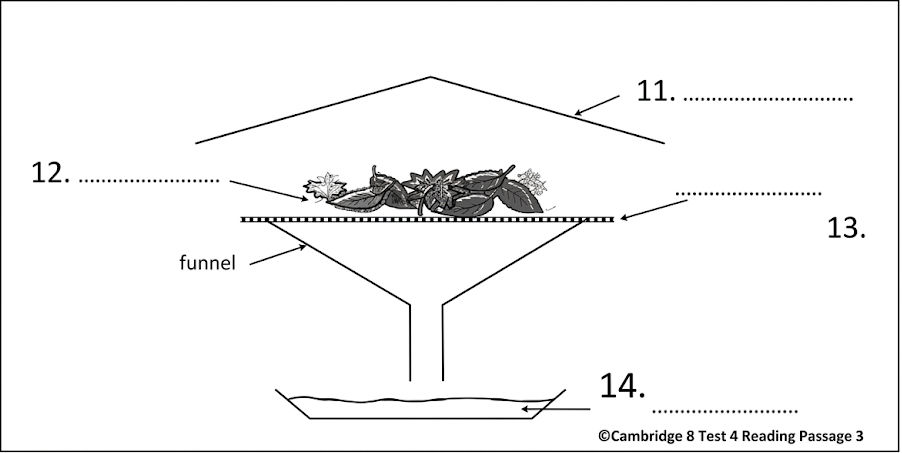
4. Many ants are small and forage primarily in the layer of leaves and other debris on the ground. Collecting these species by hand can be difficult. One of the most successful ways to collect them is to gather the leaf litter in which they are foraging and extract the ants from it. This is most commonly done by placing leaf litter on a screen over a large funnel, often under some heat. As the leaf litter dries from above, ants (and other animals) move downward and eventually fall out the bottom. They are collected in alcohol and placed below the funnel. This method works especially well in rainforests and marshy areas. A method of improving the catch when using a funnel is to sift the leaf litter through a coarse screen before placing it above the funnel. This will concentrate the litter and remove larger leaves and twigs. It will also allow more litter to be sampled when using a limited number of funnels.
5. The pitfall trap is another commonly used tool for collecting ants. A pitfall trap can be any small container placed on the ground at the top level of the surrounding surface and filled with a preservative. Ants are collected when they fall into the trap while foraging. The diameter of the traps can vary from about 18 mm to 10 cm, and the number used can vary from a few to several hundred. The size of the traps used is influenced largely by personal preference (although larger sizes are generally better), while the number will be determined by the study being undertaken. The preservative used is usually ethylene glycol or propylene glycol, as alcohol will evaporate quickl,y and the traps will dry out.
6. One advantage of pitfall traps is that they can be used to collect over a period of time with minimal maintenance and intervention. One disadvantage is that some species are not collected as they either avoid the traps or do not commonly encounter them while foraging.
Now that you have read the passage, let’s move on to the Collecting Ant Specimens Reading Answers and see how each answer can be found in the text.
Collecting Ant Specimens Reading Answers with Explanation
The Collecting Ant Specimens Reading Answers section has three question types: True, False, Not Given, Classification, and Diagram Labelling. The questions test whether you can compare statements with the passage, connect details to the correct collection method, and identify labels from a process shown in the diagram.
Try to answer the questions yourself before checking the explanations. When you review an answer, focus not only on the correct option but also on the exact detail in the passage that supports it.
Note: The following questions are created for practice based on the Collecting Ant Specimens passage.
True, False, Not Given Reading Answers 1–4
Questions 1–4: Do the following statements agree with the information given in the Reading Passage?
In boxes 1–4 on your answer sheet, write:
TRUE if the statement agrees with the information FALSE if the statement contradicts the information NOT GIVEN if there is no information on this
1. Taxonomists prefer to collect ants from the same nest in large numbers.
2. Taxonomists usually focus on ant species that have not been studied before.
3. Ecological studies require samples representing a wide variety of ant species.
4. The same type of ant collection is normally suitable for both ecological and taxonomic research.
ANSWERS:
1. TRUE
Reference: Paragraph A
“For taxonomy or classification, long series from a single nest... are desirable to allow the determination of variation within species.”
Explanation: This statement is True because the passage says that taxonomic research benefits from collecting a long series of ants from a single nest. Such a collection can include different castes and helps researchers study variation within the same species. The word “large numbers” in the question refers to the long series mentioned in the passage, rather than a specific number of ants.
2. NOT GIVEN
Reference: Paragraph A
Explanation: The passage says that taxonomists sometimes overlook whole species because they focus on groups that are currently under study. However, it does not say that these researchers usually study newly discovered or previously unstudied species. You might be tempted to choose True because the passage talks about species under study, but it never says that these are new species. Therefore, the correct answer is Not Given.
3. TRUE
Reference: Paragraph A
“For ecological studies, the most important factor is collecting identifiable samples of as many of the different species present as possible.”
Explanation: The statement is consistent with the passage because the goal of ecological collections is to sample as much of the different species as possible. The following question is worded slightly differently from the one that is exactly as it appears here, but the meaning is the same: instead of the exact question "as many of the different species", it says "a wide variety".
4. FALSE
Reference: Paragraph A
“Unfortunately, these methods are not always compatible.”
Explanation: The passage clearly states that the collection methods preferred for taxonomy and ecology are not always compatible. A taxonomist may collect many specimens from one nest, while an ecologist may collect smaller numbers from many different species. So, the statement that one type of collection is normally suitable for both purposes contradicts the passage.
Classification Reading Answers 5–10
If you are checking the Collecting Ant Specimens Reading Answers with Location, pay attention to the paragraph where each answer is supported. This can help you understand how keywords and paraphrased information lead you to the correct part of the passage.
For Questions 5–10, classify each statement according to the collection method it describes.
A. Hand collecting B. Using bait C. Sampling ground litter D. Using a pitfall trap
5. This method can involve collecting ants after searching inside or beneath objects on the ground.
6. This method works especially well in areas such as rainforests and marshes.
7. This method can help collect species that are difficult to locate without attracting them first.
8. This method can continue collecting ants while needing very little attention.
9. This method involves placing individual insects in small tubes containing ethanol.
10. This method uses a substance other than alcohol to keep the trap from drying out.
ANSWERS:
5. A - Hand collecting
Reference: Paragraph B
“This includes on the ground, under rocks, logs or other objects on the ground...”
Explanation: The answer is A, hand collecting, because Paragraph B describes searching for ants in many places, including under rocks, logs, and other objects. This method involves actively looking for ants and collecting them with tools such as forceps, an aspirator, or a paint brush. The reference to searching under objects on the ground points directly to hand collecting.
6. C - Sampling ground litter
Reference: Paragraph D
“This method works especially well in rainforests and marshy areas.”
Explanation: The answer is C, sampling ground litter. Paragraph D explains that ants living among leaves and other debris can be collected by gathering the leaf litter and placing it over a funnel. The passage specifically says that this method works especially well in rainforests and marshy areas, making the location clue quite direct.
7. B - Using bait
Reference: Paragraph C
“...attracts species that are otherwise elusive.”
Explanation: The answer is B, using bait, because bait is placed to attract ants and concentrate them in one area. The passage says that this can increase the number of individuals collected and attract species that are otherwise elusive, meaning difficult to find. So, the key idea in the question is not simply collecting more ants, but attracting species that may otherwise be hard to locate.
8. D - Using a pitfall trap
Reference: Paragraph F
“...they can be used to collect over a period of time with minimal maintenance and intervention.”
Explanation: The answer is D, using a pitfall trap. Unlike hand collecting or baiting, pitfall traps can remain in place and continue collecting ants over a period of time. The passage specifically identifies minimal maintenance and intervention as an advantage, which matches the statement about needing very little attention.
9. A - Hand collecting
Reference: Paragraph B
“Individual insects are placed in plastic or glass tubes... containing 75% to 95% ethanol.”
Explanation: The answer is A, hand collecting. Paragraph B first describes collecting ants using tools such as an aspirator, forceps, a paint brush, or fingers, and then explains that individual specimens are placed in tubes containing ethanol. You might associate ethanol with the ground litter method because Paragraph D also mentions alcohol, but the reference to individual insects being placed in tubes comes from the hand-collecting method.
10. D - Using a pitfall trap
Reference: Paragraph E
“The preservative used is usually ethylene glycol or propylene glycol, as alcohol will evaporate quickly...”
Explanation: The answer is D, using a pitfall trap. Pitfall traps need a preservative, and the passage recommends ethylene glycol or propylene glycol rather than alcohol. The reason given is that alcohol evaporates quickly, which could cause the traps to dry out. Therefore, the clue about using a non-alcoholic preservative points specifically to pitfall traps.
Diagram Labelling Reading Answers 11–14
For Questions 11–14, label the diagram using NO MORE THAN TWO WORDS from the passage for each answer.
11. What is used to help dry the material placed above the funnel?
12. What material containing the ants is placed on the screen?
13. What is the material placed above the funnel on which the leaf litter rests?
14. What liquid is used to collect the ants that fall from the leaf litter?
ANSWERS:
11. Heat
Reference: Paragraph D
“This is most commonly done by placing leaf litter on a screen over a large funnel, often under some heat.”
Explanation: The answer is heat because the passage explains that the leaf litter is placed over a funnel, often with heat underneath or around the setup. As the material dries, the ants move downward and eventually fall through the funnel. You might look for a piece of equipment here, but the diagram is asking for what helps the leaf litter dry, which is heat.
12. Leaf litter
Reference: Paragraph D
“This is most commonly done by placing leaf litter on a screen over a large funnel...”
Explanation: The answer is leaf litter because this is the material collected from the ground where the ants are foraging. It is placed above the funnel and gradually dries, causing the ants to move downward. The question refers to the material being processed, so leaf litter is the exact term needed from the passage.
13. Screen
Reference: Paragraph D
“...placing leaf litter on a screen over a large funnel...”
Explanation: The answer is screen. The passage clearly places the leaf litter on a screen, which sits above the large funnel. This screen allows the ants to move downwards as the litter dries and eventually fall through the funnel. Since the question has a two-word limit, there is no need to add any extra description.
14. Alcohol
Reference: Paragraph D
“They are collected in alcohol and placed below the funnel.”
Explanation: The answer is alcohol because the passage directly states that the ants falling from the funnel are collected in alcohol. This is different from the preservative used in pitfall traps, where ethylene glycol or propylene glycol is preferred. That difference can be easy to miss if you scan only for the word “preservative”, so make sure you connect the answer to the specific collection method shown in the diagram.
Preparing for your IELTS test? Build your skills with upGrad’sfree IELTS course and get practical guidance at your own pace.
How to Approach Collecting Ant Specimens IELTS Reading Questions?
Collecting Ant Specimens includes True, False, Not Given, Classification, and Diagram Labelling questions. The main challenge is that several collection methods are described in the passage, and some of their details can seem similar. For instance, alcohol is mentioned in more than one method, while different methods also involve collecting ants from particular places.
A good way to approach this passage is first to understand what makes each collection method different. Then, use the purpose, equipment, location, and process described in the passage to narrow down each answer.
The following are some practical ways to approach the Collecting Ant Specimens IELTS Reading answers:
Identify Contradictions in True, False, Not Given
For True, False, Not Given questions, focus on the complete meaning of the statement, not just matching words. In this passage, details such as the number of specimens and the purpose of collection can change the answer.
What to do:
Identify the main claim in the statement.
Find the relevant paragraph using key ideas.
Check whether the passage supports or contradicts the claim.
Choose Not Given when the passage does not provide enough information.
Pay attention to words such as many, limited, and single.
Example from Collecting Ant Specimens:
“as many of the different species present as possible.”
This refers to ecological studies, but it does not mean that ecologists collect large numbers of every species. The passage also says they often collect a limited number of specimens of each species.
Compare the quantity and purpose in the statement with the exact information in the passage.
Match Statements to the Correct Collection Method
The Classification questions become easier when you remember what makes each method different
Collection method
Main clue
Hand collecting
Searching for and collecting ants directly
Using bait
Attracting ants with sugars, meats, or oils
Sampling ground litter
Extracting ants from leaf litter
Using a pitfall trap
Collecting ants that fall into a container
For example, sugars, meats, and oils point to baiting, while rainforests and marshy areas point to ground litter sampling.
One possible trap is alcohol, which appears in more than one method. In Paragraph B, ethanol is used for hand-collected specimens, while Paragraph D mentions alcohol below the funnel.
Use Keywords to Locate Diagram Labels
The diagram questions are based on the ground litter sampling process in Paragraph D. Follow the setup from the top to the bottom rather than treating each label separately.
The process is:
Leaf litter is placed on a screen.
Heat helps dry the litter.
Ants move downwards as it dries.
They fall through the funnel and are collected in alcohol.
For example, the material placed on the supporting surface is the leaf litter, while the surface itself is the screen.
Follow each arrow to its exact endpoint before checking the passage.
Look for Paraphrased Information
The questions may express information differently from the passage. For example, the passage says bait “attracts species that are otherwise elusive.” A question may describe these as species that are difficult to find without attracting them first.
Similarly, “minimal maintenance and intervention” may appear as requiring very little attention.
So, compare the meaning rather than looking for an exact word match.
H3: Follow the Word Limit for Diagram Labelling
Questions 11–14 require NO MORE THAN TWO WORDS, so check the word count before moving on.
The answers are:
✓ Heat ✓ Leaf litter ✓ Screen ✓ Alcohol
For example, although a large funnel appears in Paragraph D, it does not identify one of the labelled parts in these questions.
Common Mistakes to Avoid in Collecting Ant Specimens IELTS Reading
The main difficulty in Collecting Ant Specimens is keeping the four collection methods and their specific details separate. Information about alcohol, habitats, collection techniques, and specimen handling can look similar and lead to avoidable mistakes.
Here are a few common mistakes to avoid, along with simple ways to correct them:
✗ Common Mistake
✓ What to Do Instead
Choosing TRUE from matching words.
Check the complete meaning of the statement.
Confusing taxonomic and ecological collections.
Taxonomists: long series from one nest. Ecologists: samples from many species.
Confusing the uses of alcohol.
Hand collection: ethanol in tubes. Ground litter: alcohol below the funnel.
Mixing up baiting and hand collecting.
Bait attracts ants; hand collecting involves finding and collecting them directly.
Confusing ground litter sampling and pitfall traps.
Follow the arrow to the exact part of the diagram.
Exceeding the diagram's word limit.
Keep Questions 11–14 within NO MORE THAN TWO WORDS.
It is always helpful to quickly review answers involving similar methods, repeated materials, or closely related details, as these are common areas for avoidable mistakes.
Want more IELTS Reading practice? Use these answer guides to work through different passage topics and question types:
For Collecting Ant Specimens, the best way to improve your accuracy is to understand how information is connected across the passage rather than looking for exact word matches. Pay attention to small differences between methods, quantities, and collection details, as these can often determine the correct answer.
With regular practice, reviewing why an answer is correct can be just as useful as checking the answer itself. This approach can help you become more confident with different IELTS Reading question types as you prepare for yourstudy abroad plans.
1. Is Collecting Ant Specimens a difficult IELTS Reading passage?
The difficulty depends on your familiarity with IELTS Reading question types and how carefully you track information. The passage can feel challenging because several collection methods contain similar details and require careful comparison.
2. What is the difficulty level of Collecting Ant Specimens Reading?
Collecting Ant Specimens can be considered a moderate-level IELTS Reading passage. The vocabulary is generally manageable, but distinguishing between collection methods and locating specific information can make some questions more challenging.
3. Where can I find Collecting Ant Specimens Reading Answers?
You can find the Collecting Ant Specimens Reading Answers on this page, along with explanations for each question. The explanations help you understand where the answer comes from and how the information is presented in the passage.
4. Are Collecting Ant Specimens Reading Answers available with explanations?
Yes, the Collecting Ant Specimens Reading Answers are provided with explanations. You can use them to check your responses, identify the relevant information in the passage, and understand why a particular answer is correct.
5. How can I find the location of an answer in the Collecting Ant Specimens passage?
To find the collecting ant specimens reading answers with location, identify the main keyword or idea in the question and scan the passage for related information. Look for synonyms and paraphrased details rather than relying only on exact word matches.
6. Can I use the Collecting Ant Specimens passage for IELTS Reading practice?
Yes, this passage can be useful for IELTS Reading practice, especially if you want to work on locating information, understanding paraphrased ideas, and handling different question formats under timed conditions.
7. How can I check my answers after attempting Collecting Ant Specimens?
First, compare your answers with the solutions provided on the page. Then read the explanations and return to the relevant part of the passage to understand how the answer was identified.
8. What should I do if I cannot find an answer in the Collecting Ant Specimens passage?
If you cannot find an answer, avoid guessing immediately. Identify the key idea in the question, scan for related information, and check whether the passage supports, contradicts, or does not provide the information.
9. Does Collecting Ant Specimens help with IELTS Reading vocabulary?
Yes, the passage introduces useful academic vocabulary related to research, insects, collection methods, and scientific studies. Reviewing unfamiliar words in context can help you understand similar vocabulary in future IELTS Reading passages.
10. Can I practise different IELTS Reading question types with this passage?
Yes, Collecting Ant Specimens includes True, False, Not Given, Classification, and Diagram Labelling questions. Practising these formats together can help you become more comfortable switching between different question-solving approaches.
11. How can I use Collecting Ant Specimens to improve my IELTS Reading score?
Attempt the questions under timed conditions, check your answers carefully, and review every mistake. Focus on why you missed an answer and whether the problem was caused by paraphrasing, misreading, or overlooking a detail.
upGrad Abroad Editorial Team |5034 articles published
We are a dedicated team of study-abroad experts, ensuring intensive research and comprehensive information in each of our blogs. With every piece written, we aim at simplifying the overseas education ...
Refer Your Friend & Earn upto ₹15000
Help your friend upgrade to a Global Career and earn rewards together.