Top 20 General Medicine Books for Medical Professionals in 2026
By upGrad
Updated on Sep 18, 2026 | 14 min read | 16.61K+ views
Share:

All courses
Certifications
More
By upGrad
Updated on Sep 18, 2026 | 14 min read | 16.61K+ views
Share:
Table of Contents
Books like Harrison's Principles of Internal Medicine, Davidson's Principles and Practice of Medicine, Kumar and Clark's Clinical Medicine, Goldman-Cecil Medicine, and the Oxford Handbook of Clinical Medicine remain essential resources for medical students, residents, and practicing physicians. These books cover everything from disease mechanisms and clinical diagnosis to patient management and evidence-based treatment.
Whether you're preparing for MBBS exams, postgraduate entrance tests, residency training, or daily clinical practice, the right general medicine books can strengthen your medical knowledge, improve diagnostic reasoning, and help you stay updated with evolving healthcare practices.
This blog highlights the 20 most popular general medicine books of 2026, each serving as a trusted companion in the evolving world of healthcare. From comprehensive internal medicine textbooks to focused guides in cardiology, pathology, and anesthesiology, these books provide invaluable knowledge for academic preparation and everyday clinical decision-making.
Check out upGrad’s MBA Courses and explore programs from the world’s top business schools to help you scale your career in healthcare management!
Popular Management Programs
Choosing the right medical textbook can make a significant difference in how effectively you learn clinical concepts, prepare for exams, and handle patient care. The table below compares some of the most widely used general medicine books based on their primary use cases and approximate pricing.
| Book Title | Best For | Approx. Price (₹) |
|---|---|---|
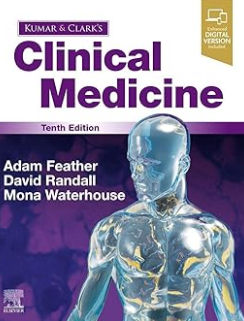
| Kumar and Clark’s Clinical Medicine | Clinical Medicine & MBBS Students | ₹4,500–₹6,500 |
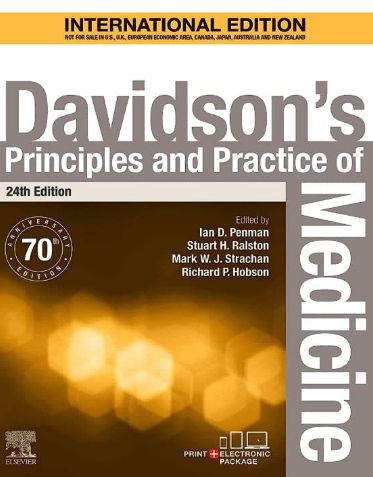
| Davidson’s Principles and Practice of Medicine | Undergraduate & Postgraduate Learning | ₹3,500–₹5,500 |
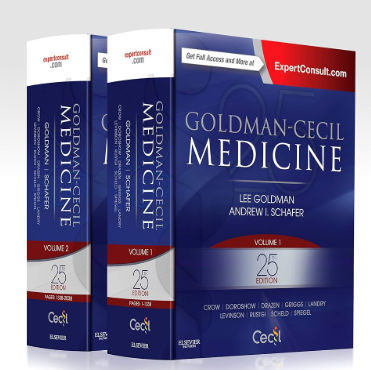
| Goldman-Cecil Medicine | Advanced Internal Medicine Reference | ₹12,000–₹18,000 |
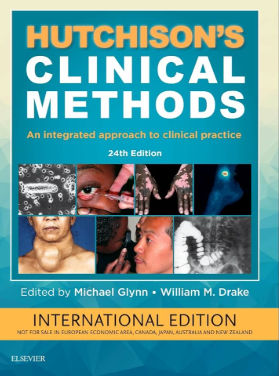
| Hutchison's Clinical Methods | Clinical Examination Skills | ₹1,200–₹2,500 |
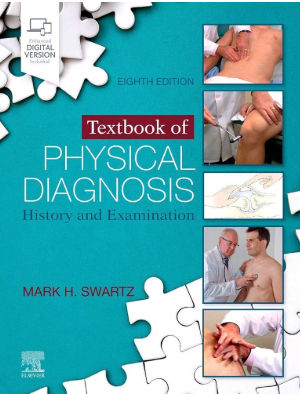
| Textbook of Physical Diagnosis: History and Examination | Diagnostic Skills | ₹5,000–₹8,000 |
| The ECG Made Practical | ECG Interpretation | ₹500–₹1,500 |
| Harrison’s Principles of Internal Medicine: Cardinal Manifestations and Presentation of Diseases | Internal Medicine Concepts | ₹2,500–₹4,500 |
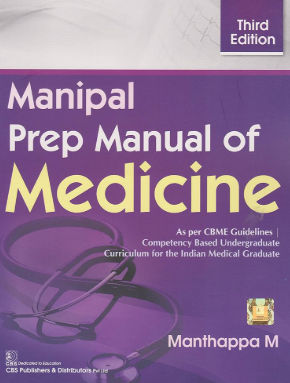
| Manipal Prep Manual in Medicine | NEET PG & Exam Preparation | ₹700–₹1,500 |
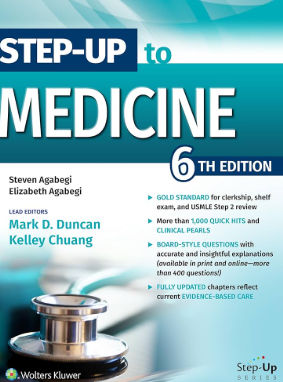
| Step-Up to Medicine | USMLE & Residency Preparation | ₹4,000–₹6,000 |
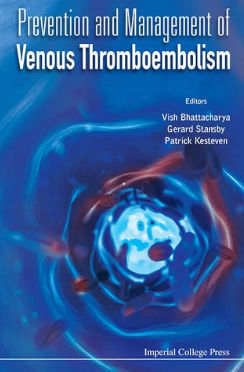
| Prevention and Management of Venous Thromboembolism | Vascular & Internal Medicine Specialists | ₹3,000–₹7,000 |
| The Unofficial Guide to Medicine Research, Audit, and Teaching | Academic Medicine | ₹2,000–₹4,000 |
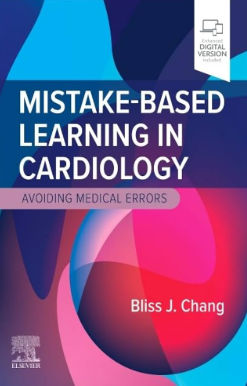
| Mistake-Based Learning in Cardiology | Cardiology Training | ₹3,000–₹6,000 |
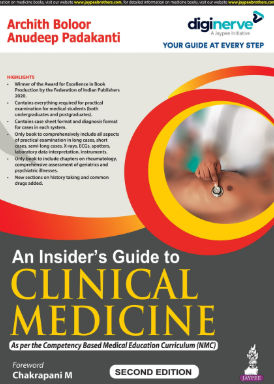
| An Insider's Guide to Clinical Medicine | Clinical Rotations & Residency | ₹2,000–₹4,000 |
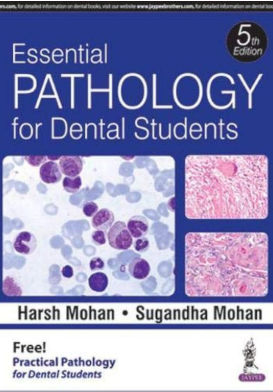
| Essential Pathology for Dental Students | Dental Pathology | ₹1,000–₹2,500 |
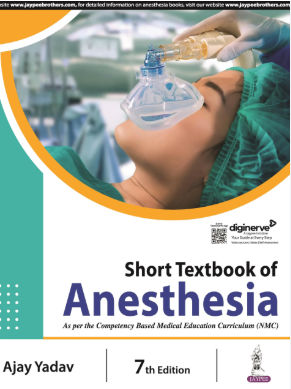
| Short Textbook of Anesthesia | Anesthesiology Learning | ₹800–₹2,000 |
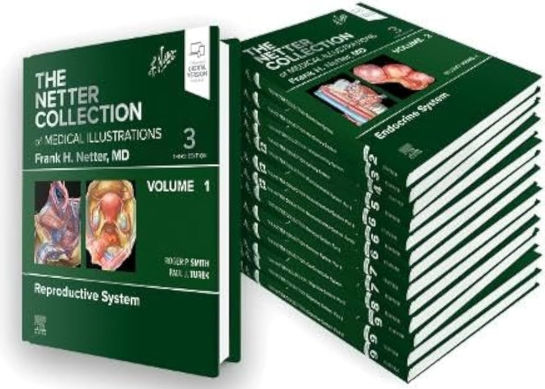
| The Netter Collection of Medical Illustrations | Visual Learning & Anatomy | ₹8,000–₹15,000 |
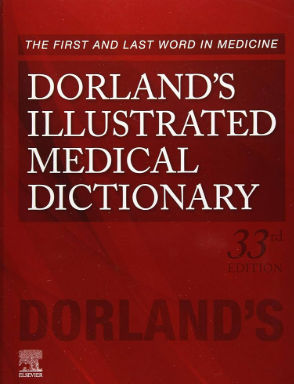
| Dorland's Medical Reference Works | Medical Terminology Reference | ₹2,000–₹5,000 |
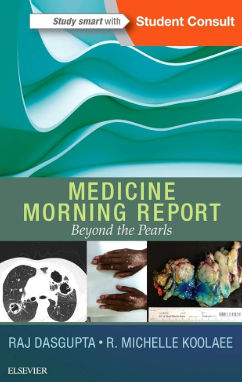
| Medicine Morning Report: Beyond the Pearls | Case-Based Learning | ₹3,000–₹5,000 |
| The Brigham Intensive Review of Internal Medicine Q&A Companion | Board & Certification Exams | ₹4,000–₹7,000 |
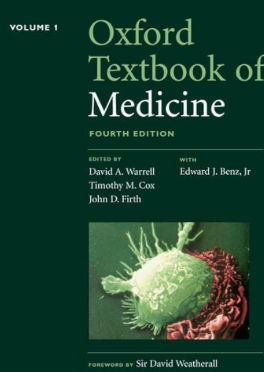
| The Oxford Textbook of Medicine | Comprehensive Internal Medicine Reference | ₹18,000–₹30,000 |
Prices may vary depending on the edition, seller, and book format.
Free Courses
Looking for the best General Medicine Books to enhance your clinical knowledge in 2026? This curated list features top-rated general medicine textbooks, including trusted internal medicine books and comprehensive medicine textbooks that are widely used by medical students, residents, and healthcare professionals.
Also Read: Top 10 MBA Books To Read To Improve Your Skills
Also Read: The Best 5 Books on Healthcare Management
Must Read: What Is Medical Science? How To Become a Medical Scientist?
Also Read: Machine Learning Applications in Healthcare: What Should We Expect?

Also Read: What is Healthcare Management (HCM)? Key Types and Responsibilities
Also Read: How Many Medical Colleges in India? Admissions & Preparation Guide
Healthcare and medical research are increasingly being shaped by AI-driven technologies. Build the leadership and innovation skills needed to navigate this shift with:
Must Read: What is a Medical Officer? A Detailed Job Description in 2026
Also Read: Exploring The Best Courses in Medical Field in India
Must Read: Top PCB Career Options After 12th Science
Here's something for you: 25+ Best Career Options After 12th Science PCMB: Skills and Future Opportunities
Also Read: 12+ Career Options in Medical Without NEET to Pursue

Management Courses to upskill
Explore Management Courses for Career Progression
IIIT-B & IIM, Udaipur
Chief Technology Officer & AI Leadership ProgrammeMedical professionals today have access to both traditional textbooks and digital learning platforms. While print books provide structured, in-depth learning, digital resources offer faster updates and greater accessibility. The best choice often depends on your learning style and professional needs.
| Factor | Print Books | Digital Medical Resources |
|---|---|---|
| Accessibility | Requires a physical copy | Available on multiple devices |
| Content Updates | Updated through new editions | Frequently updated with new guidelines |
| Portability | Can be bulky | Easy to carry on phones, tablets, and laptops |
| Search Functionality | Manual lookup through index | Instant keyword search |
| Learning Experience | Focused, distraction-free reading | Interactive content and multimedia support |
| Visual Content | Static diagrams and illustrations | Videos, animations, and interactive graphics |
| Cost | Higher upfront investment | Subscription or pay-per-access options |
| Clinical Use | Useful for detailed study sessions | Ideal for quick reference during practice |
| Note-Taking | Physical annotations and highlights | Digital bookmarks, notes, and syncing |
| Best For | Deep learning and exam preparation | Rapid updates and point-of-care learning |
Many students and healthcare professionals use a combination of both formats, relying on textbooks for foundational learning and digital resources for quick updates, clinical guidelines, and evidence-based decision-making.
The medical field evolves rapidly, and staying updated is essential for delivering the best patient care. Advances in diagnostics, treatment protocols, and emerging diseases demand continuous learning. These books, carefully curated for 2026, provide the latest insights, clinical guidelines, and case-based learning to keep you informed and relevant.
In a world where knowledge can be the difference between life and death, these resources are not just books, they’re tools to build expertise, confidence, and success in medicine.
Also Read: What is Medical Scribe? Skills Required, Salary, How to Become Medical Scribe
Conclusion
General medicine books remain essential resources for building strong clinical knowledge, improving diagnostic skills, and staying updated with evolving medical practices. Whether you choose comprehensive references like Harrison's and Davidson's, exam-focused guides such as Step-Up to Medicine, or practical handbooks for daily clinical use, the right resources can support every stage of your medical journey.
Combining trusted textbooks with digital learning tools, clinical case discussions, and current medical guidelines can help you strengthen your understanding, improve patient care, and continue learning throughout your medical career.
Popular general medicine books for medical students include "Harrison's Principles of Internal Medicine," "Davidson's Principles and Practice of Medicine," and "Kumar and Clark's Clinical Medicine." These provide comprehensive coverage of diseases, diagnostic techniques, and treatment options, making them essential resources for medical education.
"The Merck Manual of Diagnosis and Therapy" is often recommended for beginners. It presents medical conditions in a simplified manner, with clear explanations of symptoms, diagnostics, and treatments. Its accessible language makes it a valuable starting point for anyone new to medicine.
"Harrison's Principles of Internal Medicine" is considered the most comprehensive general medicine textbook. It covers a vast range of topics, from pathophysiology to clinical practice, offering in-depth analysis and evidence-based guidance that is essential for both medical students and practicing professionals.
"Harrison's Principles of Internal Medicine" is widely regarded as the best book for learning about internal medicine. It is frequently updated with the latest research and provides a detailed understanding of various internal medicine specialties, from cardiovascular to infectious diseases.
Yes, "Kumar and Clark's Clinical Medicine" is a widely respected book that emphasizes clinical practice. It integrates practical advice with diagnostic and treatment strategies for common medical conditions, making it an excellent resource for clinicians who need up-to-date guidance on managing patients.
For practicing physicians, books like "UpToDate," "Cecil Textbook of Medicine," and "Current Medical Diagnosis and Treatment" are highly recommended. These books provide concise, evidence-based information on diagnosis and treatment, keeping doctors updated on the latest medical advancements.
"Case Files: Internal Medicine" by Eugene C. Toy is an excellent choice for case studies and clinical examples. This book uses real-life cases to help readers apply their knowledge to practical situations, improving their diagnostic and clinical decision-making skills.
Yes. Hutchison’s Clinical Methods and Textbook of Physical Diagnosis: History and Examination are excellent resources for mastering patient history-taking, physical examination, and diagnostic reasoning skills.
PreTest: Internal Medicine" is widely used for exam preparation, especially for medical board exams. It includes hundreds of multiple-choice questions with explanations, helping students test their knowledge and improve their understanding of key internal medicine topics.
For postgraduate training, titles like Davidson’s Principles and Practice of Medicine, Harrison’s Principles of Internal Medicine, and Goldman-Cecil Medicine are highly recommended. These books provide advanced clinical insights, evidence-based guidelines, and specialty-specific chapters ideal for residency and fellowship preparation.
Books like Kumar and Clark’s Clinical Medicine, Harrison’s Principles of Internal Medicine, and The Washington Manual of Medical Therapeutics are commonly used by NEET-PG and INI-CET aspirants for in-depth study of clinical concepts and exam-oriented preparation.
"The Washington Manual of Medical Therapeutics" is known for its concise, quick-reference format. It covers a wide range of conditions and treatment options, making it a valuable tool for physicians needing fast, reliable information during clinical practice.
Yes, "Online MedEd" offers interactive content with video lectures and quizzes for general medicine. It's an engaging learning platform that complements traditional textbooks, providing a more dynamic, visual way to study medicine and reinforce clinical knowledge.
The Netter Collection of Medical Illustrations is considered one of the best for visual learners. It uses high-quality medical drawings to explain anatomy, pathology, and clinical presentations, making complex topics easier to understand.
Yes. Pocket Medicine by Marc S. Sabatine is widely used by interns and residents for quick reference during ward rounds, offering concise summaries, diagnostic tips, and treatment plans.
"Basic and Clinical Pharmacology" by Bertram Katzung is an excellent resource for understanding pharmacology in the context of general medicine. It covers drug mechanisms, uses, side effects, and interactions, helping students and practitioners better understand medications in clinical practice.
Harrison’s Principles of Internal Medicine and UpToDate are known for incorporating the latest research, treatment protocols, and medical guidelines, ensuring practitioners stay updated with current best practices.
Yes. Current Medical Diagnosis and Treatment and Oxford Handbook of Clinical Medicine are designed for rapid consultation, providing concise algorithms and management guidelines for busy healthcare settings.
The Oxford Textbook of Medicine is a trusted source for globally recognized clinical guidelines, offering insights from leading medical experts worldwide and covering region-specific disease patterns.
Nursing Care Plans: Diagnoses, Interventions, and Outcomes and Brunner & Suddarth’s Textbook of Medical-Surgical Nursing are valuable for nursing students and professionals who need to integrate clinical medicine with patient care planning.
975 articles published
We are an online education platform providing industry-relevant programs for professionals, designed and delivered in collaboration with world-class faculty and businesses. Merging the latest technolo...
Get Free Consultation
By submitting, I accept the T&C and
Privacy Policy
Top Resources
Certification
3 Months
Certification
6 Months
O.P. Jindal Global University
Masters in International Accounting and Finance (Accredited by ACCA, UK)Master's Degree
12 Months