Importance of Technology in Our Daily Life in 2026
By Sriram
Updated on Aug 18, 2026 | 15 min read | 47.01K+ views
Share:

All courses
Certifications
More
By Sriram
Updated on Aug 18, 2026 | 15 min read | 47.01K+ views
Share:
Table of Contents
Technology has become an essential part of everyday life, changing how we communicate, work, learn, travel, and access services. From smartphones and digital payments to online shopping and smart devices, it helps people complete everyday tasks faster and with greater convenience.
The growing role of technology continues to reshape modern living by improving productivity, connectivity, and access to information. As digital tools become more advanced, they make everyday experiences simpler while creating new opportunities in education, healthcare, business, and entertainment.
This blog explains the importance of technology in our daily life, covering its key uses, benefits, challenges, and future trends across education, healthcare, work, and business.
Get ready to launch your tech career with upGrad AI and Machine Learning Courses, and more! Learn from top universities and work on real-world projects with an industry-ready Generative AI curriculum.
Technology in daily life refers to the tools, devices, software, and systems that help people perform everyday tasks more efficiently. From smartphones and online banking to navigation apps and smart home devices, technology has become an essential part of how we communicate, work, learn, shop, travel, and manage our daily routines.
The uses of latest technology in our daily life extend across almost every industry, making everyday activities faster, more convenient, and more connected. Whether you're attending online classes, booking a cab, making digital payments, or using AI-powered assistants, technology simplifies tasks while improving productivity and accessibility.
The impact of technology in our daily life can be seen in nearly every aspect of modern living. It reduces manual effort, improves communication, provides instant access to information, and enables people to complete tasks from virtually anywhere.
Some of the 10 uses of technology in our daily life include:
Free Courses
Today, technology is not just a tool, it is a driving force that fosters innovation, connects communities, and shapes the future. As our reliance on technology increases, understanding the importance of technology becomes essential for effectively navigating this dynamic and ever-evolving landscape.
We can further understand the importance of technology in our life by exploring the 10 uses of technology in our daily life, showing how it shapes our routines and deeply influences both our personal and professional lives.
Technology has drastically transformed how we stay connected, highlighting the importance of technology in today’s fast-paced world. With instant messaging, video calls, and social media, communicating across the globe has become quicker and more convenient. As we explore the list 10 importance of technology, communication stands out as a key factor - breaking geographical barriers, enabling real-time interactions, and making the world feel smaller and more connected.
The internet has become the ultimate knowledge hub, showcasing the importance of technology in making learning accessible to everyone. As one of the most valuable uses of technology, it allows people to access information for academics, work, or personal curiosity within seconds. This ease of access has democratized education and information, empowering individuals worldwide.
Also Read: Artificial Intelligence Subjects: Everything You Need to Know Before Enrolling
Technology has transformed modern healthcare, becoming one of the most impactful examples in the 10 uses of technology in our daily life. From telemedicine services to health-tracking devices, technology in our daily life enables patients to consult doctors remotely, monitor vital signs through wearable gadgets, and receive accurate diagnostics powered by AI. These innovations make healthcare more accessible, efficient, and personalized, ultimately improving patient outcomes.
E-learning platforms, digital classrooms, and interactive apps have reshaped how we learn, showcasing the importance of technology in education through practical, real-world applications. Students of all ages can access study materials anytime, attend virtual lessons, and collaborate with peers worldwide. This flexibility greatly enhances the learning experience and highlights the broader benefits of technology in human life by making education more personalized and accessible for everyone.
Transportation has been significantly streamlined with technology in daily life, making travel more efficient and convenient. GPS navigation, ride-sharing apps, and electric vehicles have transformed how we move from place to place. These innovations highlight the crucial role of technology in daily life by providing real-time traffic updates, eco-friendly travel options, and seamless booking systems - making both daily commutes and long-distance journeys easier and more sustainable.
Online banking, digital wallets, and budgeting apps have transformed financial management, showcasing how modern technology in our daily life makes money matters simpler and more secure. Quick digital transactions and intuitive budgeting tools help individuals track spending, save effectively, and manage investments with ease. These innovations highlight the vital role of technology in our life by enabling safer payments, faster processing, and greater financial control, all with just a tap.
Also Read: Top 20 Types of AI in 2026 Explained
Streaming services, video games, and digital content platforms have completely redefined entertainment, highlighting the role of technology in daily life. With movies, music, and shows available on demand, it has never been easier to enjoy personalized content anytime. These innovations also showcase the importance of technology by creating immersive gaming and interactive media experiences that make leisure more engaging, dynamic, and accessible for everyone.
The rise of smart home solutions shows how modern technology in our daily lives is transforming the way we live. Smart thermostats, lights, locks, and voice-controlled assistants automate everyday tasks and improve energy efficiency. These innovations highlight the importance of developed technology, enabling remote control, enhanced security, and greater comfort, making our homes more connected and intelligent than ever.
Remote work tools, project management software, and communication platforms highlight the importance of technology in production and modern workplaces. As one of the key uses of technology, these solutions enable teams to collaborate remotely, manage tasks efficiently, and streamline workflows.
Exploring the list of 10 importance of technology, workplace transformation and increased productivity stand out, enabling flexible work options and making it easier to achieve goals from anywhere.
Online shopping demonstrates one of the key 10 uses of technology in our daily life, making purchasing goods and services more convenient than ever. From groceries to electronics, we can browse, compare prices, and complete purchases with just a few clicks. This highlights the importance of technology in creating personalized recommendations, enhancing the shopping experience, and saving time in our everyday routines.
Also Read: Applications of Artificial Intelligence and Its Impact
Wearable devices, smartwatches, and diet-tracking applications have revolutionized how we manage our health, showcasing the importance of technology in personal wellness.
As a major use of technology in our daily life, these gadgets allow users to monitor heart rates, track daily steps, and manage sleep cycles effortlessly. This continuous health monitoring highlights the role of technology in fostering healthier, more active lifestyles.
The rise of digital creation tools has empowered individuals to express their creativity like never before, highlighting the importance of technology in modern art and media. From video editing software to digital illustration tablets, technology provides the platform for creators to produce and share high-quality content.
This serves as one of the key uses of technology in daily life, enabling both hobbyists and professionals to build digital portfolios and reach global audiences.
Advanced early warning systems, GPS tracking, and automated emergency alerts demonstrate the critical role of technology in our daily life. During natural disasters or medical emergencies, instant communication tools and predictive modeling help authorities respond swiftly and save lives. This highlights the profound importance of technology in ensuring public safety and minimizing the impact of unforeseen crises.
The ability to host and attend events virtually has transformed how we gather, showcasing the importance of technology in bridging physical distances.
Whether it's a global tech conference, a virtual concert, or a family gathering over video chat, this is one of the most connective uses of technology in our daily life. It proves the value of digital infrastructure in maintaining community and professional networks regardless of location.
Also Read: Generative AI for Beginners: A Practical Guide to Understanding Modern AI
Urban living is becoming more efficient through smart city technologies, illustrating the importance of developed technology in daily life. Automated traffic light systems, smart waste management, and energy-efficient public lighting reduce congestion and pollution.
These innovations highlight the broad benefits of technology in human life, creating cleaner, safer, and more organized environments for millions of residents.
Now, let’s check out 5 additional importance of technology in our daily life. Beyond communication, healthcare, education, entertainment, and shopping, modern technology continues to transform many other areas. From managing finances and controlling smart homes to improving transportation, workplace efficiency, and personal security, technology simplifies everyday tasks. These examples show how it enhances convenience, saves time, and makes our daily routines more efficient.
Security technology is one of the key uses of technology that highlights the additional 5 importance of technology in our daily life. From surveillance systems to biometric authentication, it helps protect our homes, workplaces, and personal data. Smart locks, motion sensors, and cameras enhance physical security, while encryption and two-factor authentication safeguard online transactions and communications, providing greater peace of mind.
Social media platforms, messaging apps, and online communities demonstrate the impact of technology in our daily life, highlighting the importance of technology in keeping us connected. These platforms allow us to stay in touch with loved ones, share experiences, and discover new connections worldwide. This global connectivity also helps amplify social causes and fosters a stronger sense of community across the globe.
Technology is playing a crucial role in sustainability, highlighting the importance of technology in creating a greener future. From solar panels and electric vehicles to energy-efficient appliances, modern solutions are helping reduce our carbon footprint. Smart grids and advanced waste management systems further demonstrate the role of technology in our lives, enabling more sustainable practices and allowing people to live in ways that are kinder to the planet.
Also Read: Generative AI Roadmap
Technology empowers personal growth, showcasing one of the key uses of technology in our daily life. From fitness trackers to language-learning apps, individuals can monitor progress, set goals, and acquire new skills. Additionally, mental health apps and mindfulness tools highlight the importance of technology by supporting emotional well-being and building resilience.
Technology empowers personal growth by providing access to self-improvement resources. From fitness trackers to language learning apps, individuals can monitor progress, set goals, and develop new skills. Technology also offers mental health apps and mindfulness tools that support emotional well-being and resilience.
The integration of technology into the culinary world is one of the most convenient uses of technology that highlights the importance of technology in our daily life. Food delivery apps, digital menus, and cloud kitchens allow users to explore diverse cuisines and order meals directly to their doorsteps.
This seamless experience showcases how modern technology simplifies meal planning and supports local restaurant ecosystems.
Algorithm-driven news aggregators and podcast platforms demonstrate the impact of technology in our daily life, keeping us informed on the go. By curating content based on personal preferences, these tools ensure users receive relevant updates and educational material instantly. This highlights the importance of technology in shaping how we consume information and stay connected to global current events.
Also Read: The Ultimate Guide to Gen AI Tools for Businesses and Creators
Language barriers are rapidly disappearing thanks to real-time translation apps and smart earpieces, showcasing another vital importance of technology in our daily life. Whether traveling abroad or conducting international business, individuals can instantly translate spoken or written words.
This demonstrates the role of technology in fostering global understanding and making international communication seamless.
Technology has even extended to how we care for our pets, reflecting the diverse uses of technology in our daily lives. Smart feeders, GPS collars, and interactive pet cameras allow owners to monitor, feed, and engage with their pets while away from home.
These tools highlight the importance of technology in providing peace of mind and improving the quality of life for both pets and their owners.
AI chatbots and remote customer service platforms have transformed how businesses interact with consumers, illustrating the role of technology in our lives. Instead of waiting in long queues or on hold, customers can receive instant support, troubleshoot issues, and track orders 24/7.
This highlights the importance of technology in improving service efficiency and ensuring a smooth, frustration-free consumer experience.
Ready to lead AI-driven business transformation? The Strategic AI for Business Professionals: Leadership for an AI-First World programme from IIM Kozhikode helps you understand AI strategy, automation, data-driven decision-making, and responsible AI adoption. Gain practical leadership skills to drive innovation and create business value in an AI-first world.
Artificial Intelligence (AI) has become a major part of modern living, changing how people communicate, work, shop, travel, and access services. If you've ever wondered how artificial intelligence is used in everyday life, the answer lies in the many smart applications you interact with every day. From personalized recommendations on streaming platforms to voice assistants and navigation apps, AI enhances the uses of technology in our daily life by making everyday tasks faster, smarter, and more convenient.
The growing impact of technology in our daily life is closely tied to AI, as intelligent systems can analyze data, recognize patterns, automate repetitive tasks, and make real-time decisions. Today, many of the 10 uses of technology in our daily life are powered by AI behind the scenes.
Common examples of AI in everyday life include:
These applications show how AI continues to expand the uses of technology in our daily life, helping people save time, improve productivity, and make better decisions across personal and professional activities.
Also Read: What Is GenAI Used For? Applications and Examples
Technology touches almost every aspect of our routines, highlighting the importance of technology in our life. The benefits of technology in human life are evident in how modern tools simplify tasks, save time, and enhance efficiency. Modern technology in our daily life improves productivity, safety, and connectivity, making everyday activities smoother and more convenient.
Key Benefits of technology in daily lives:
Communication: Instant messaging, video calls, and social media connect people worldwide.
Healthcare: Telemedicine, health apps, and wearable devices improve medical care.
Education: E-learning platforms, digital classrooms, and AI tutors enhance learning.
Entertainment: Streaming services, online gaming, and digital media provide endless options.
Work Productivity: Cloud tools, collaboration software, and automation boost efficiency.
Transportation: GPS, ride-sharing apps, and smart traffic management make travel easier.
Safety & Security: Surveillance systems, smart home devices, and cybersecurity protect people and data.
Also Read: Top 8 Reasons Why Technology is the Best Career Path
Subscribe to upGrad's Newsletter
Join thousands of learners who receive useful tips
Technology has transformed the way students learn, communicate, and develop new skills. The growing role of technology in our daily life for students goes beyond online classes, it supports research, collaboration, creativity, and personalized learning.
The uses of technology in our daily life have made education more flexible by enabling students to learn anytime and anywhere. Digital classrooms, AI-powered learning tools, and interactive resources make lessons more engaging while helping students learn at their own pace. This demonstrates the positive impact of technology in our daily life, especially in education.
Also Read: Top Generative AI Use Cases: Applications and Examples
Technology continues to reshape technology in our daily life for students by making learning more accessible, collaborative, and skill-focused.
The importance of information technology in business and daily operations is immense. IT improves efficiency, streamlines communication, and enables automation, helping organizations save time and resources. Cloud computing allows teams to access data and collaborate from anywhere, while digital tools support remote work and enhance productivity.
Key Areas of IT in Business:
Communication: Emails, instant messaging, and video conferencing
Efficiency & AI Automation: Workflow management, automated reporting, and AI tools.
Cloud Computing: Access to data and applications from anywhere
Collaboration: Project management software and shared digital workspaces
Must Read: From AI to Quantum Computing: 25 New Technologies to Explore
Technology has transformed the way we live, work, communicate, and solve everyday problems. From smartphones and cloud computing to artificial intelligence and smart devices, the uses of technology in our daily life continue to expand across almost every sector. Daily activities that once required significant time and effort can now be completed in minutes, improving productivity, convenience, and accessibility.
One of the biggest milestones in this journey is the shift from technology before and after the internet. Before the internet, communication relied on letters and landline phones, information came from libraries and printed books, and shopping, banking, and learning required physical visits. Today, internet-powered technologies allow people to connect instantly, access information from anywhere, work remotely, and use digital services around the clock.
Aspect |
Before Tech Advancements |
After Tech Advancements |
| Communication | Letters, landline phones, face-to-face meetings | Instant messaging, video calls, social media, emails |
| Access to Information | Libraries, encyclopedias, manual research | Search engines, digital libraries, eBooks, AI search tools |
| Healthcare | Limited medical resources and in-person consultations | Telemedicine, wearable health trackers, AI-assisted diagnosis |
| Education | Physical classrooms and printed textbooks | Online courses, virtual classrooms, interactive learning platforms |
| Work Environment | Office-based work with paper records | Remote work, cloud collaboration, digital workspaces |
| Transportation | Paper maps, manual navigation, fuel-powered vehicles | GPS navigation, electric vehicles, ride-sharing, autonomous technology |
| Shopping | Physical stores with limited business hours | E-commerce, digital payments, home delivery, personalized recommendations |
| Entertainment | Television, radio, CDs, DVDs | Streaming platforms, online gaming, podcasts, on-demand content |
| Home Living | Basic appliances and manual household tasks | Smart homes, voice assistants, IoT-enabled devices |
| Social Interaction | Face-to-face meetings, phone calls, traditional mail | Social media, online communities, video conferencing |
| Banking & Finance | Physical branches, cash, paper checks | Online banking, UPI, digital wallets, contactless payments |
| Security | Traditional locks and manual surveillance | Biometrics, smart CCTV, AI-powered monitoring, encryption |
| Food & Dining | Home cooking and restaurant visits | Food delivery apps, online grocery shopping, smart kitchen devices |
| News & Media | Newspapers, television broadcasts, radio | Digital news platforms, live streaming, social media updates |
| Environment | Conventional energy sources and manual monitoring | Renewable energy, smart grids, intelligent energy management |
The comparison between technology before and after the internet clearly shows how digital connectivity has reshaped everyday life.
Technology continues to evolve at a rapid pace, bringing new opportunities along with new responsibilities. While the uses of technology in our daily life make work, education, healthcare, and communication more convenient, using technology responsibly is essential to protect privacy, security, and well-being.
At the same time, understanding how will future technology change our daily lives further helps us prepare for emerging innovations such as artificial intelligence, robotics, smart cities, autonomous vehicles, and advanced healthcare systems.
Future technologies will continue to reshape everyday experiences in ways that are smarter, faster, and more connected.
As these innovations become part of everyday life, the uses of technology in our daily life will continue to expand. Understanding how will future technology change our daily lives further allows individuals, students, and professionals to adapt to new opportunities while using technology safely, ethically, and responsibly.
Although we cannot undermine the importance of technology and the role it plays in ease of life, we must also focus on the various challenges it poses. Let’s take a look at some major challenges posed by technology in our daily life:
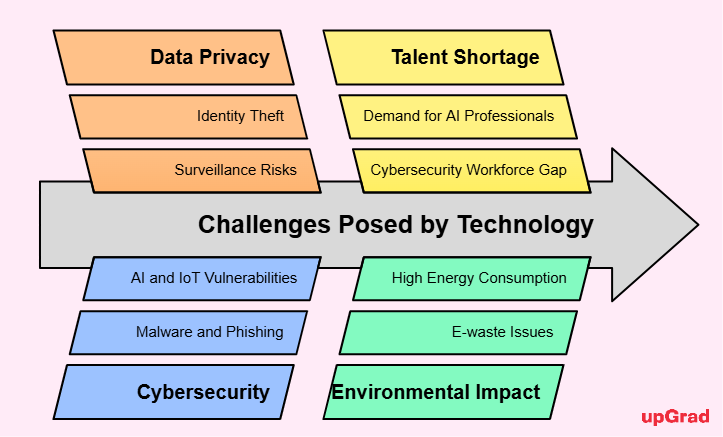
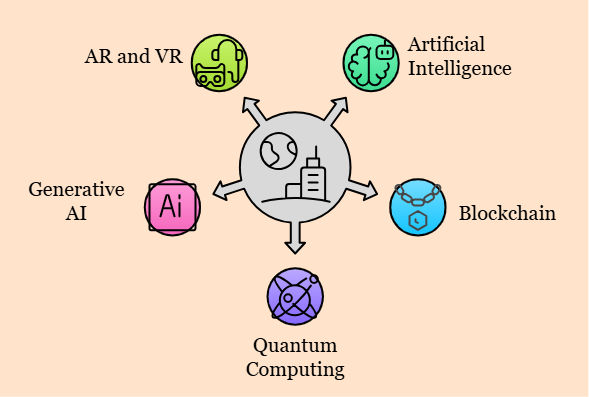
Technology is a continuously evolving field that aims to give rise to innovation and development. As a rapidly growing sector, we can enlist the following future trends in technology:
Unlock your potential in AI & Machine Learning with upGrad! Gain expert-led training and real-world skills. Sign up now!
Also Read: Generative AI vs Traditional AI
Also Read: Top 30 New Technology Trends in 2026
Technology has become an essential part of modern life, changing how we learn, communicate, work, travel, and access services. The growing uses of technology in our daily life continue to improve convenience, productivity, and connectivity while opening new opportunities in education, healthcare, business, and entertainment.
As innovations like artificial intelligence, automation, and smart devices become more common, the impact of technology in our daily life will continue to grow. By understanding these advancements and using technology responsibly, you can adapt to future changes, build valuable digital skills, and make the most of the opportunities technology brings.
Interested in making a tech career and seeking expert assistance? Go ahead and book a free counseling session with upGrad to explore your options now!
In 2026, technology literacy is essential for navigating an increasingly digital world. It empowers individuals to use emerging tools effectively, stay competitive in the job market, and make informed decisions online. With AI, automation, and digital platforms transforming industries, understanding the importance of technology helps people adapt to rapid changes, protect their privacy, and grow personally and professionally.
Technology influences society by shaping social interactions, work environments, and cultural norms. While it connects people globally, it also introduces challenges such as privacy concerns and the digital divide. The rise of AI and automation highlights the importance of technology in our life by creating both opportunities and societal challenges.
Technology has made communication faster and more accessible through smartphones, social media platforms, instant messaging, and video calling. These uses clearly show the importance of technology by enabling instant global connections and improving both personal and professional interactions.
Technology enables remote work, cloud-based collaboration, task automation, and improved productivity through specialized tools and software. These changes highlight the importance of technology in production and modern workplaces by redefining how teams operate efficiently.
Yes. Technology automates routine tasks, provides productivity apps, and enables digital collaboration. This reflects the importance of technology in our life by helping individuals save time and focus on higher-value work.
Technology has reshaped the job market by creating opportunities in fields like AI, software development, and cybersecurity. At the same time, automation has replaced some roles, emphasizing the importance of technology in production and the need for continuous skill development.
Technology enhances education through online learning platforms, e-books, and virtual classrooms, making learning flexible and accessible worldwide. This clearly demonstrates the importance of technology in education in shaping modern learning systems.
Technology makes learning interactive, flexible, and personalized. Online courses, virtual classrooms, and AI tutors highlight the importance of technology in education by allowing students to learn at their own pace.
Technology accelerates data collection, analysis, and global collaboration. Advanced computing and AI tools show the importance of technology in research by helping solve complex problems in medicine, science, and climate studies.
Technology speeds up experimentation, simulation, and collaboration across borders. Its role reinforces the importance of technology in advancing innovation and scientific discovery.
Technology improves diagnostics, enables telemedicine, and supports real-time health monitoring. These advancements highlight the importance of technology in our life by making healthcare more accessible and efficient.
Telemedicine, electronic health records, AI diagnostics, and wearable devices help professionals deliver better care. This reflects the importance of technology in improving healthcare systems.
Technology improves safety through surveillance systems, smart alarms, wearable devices, and emergency alerts. These tools demonstrate the importance of technology in our life by making public and private spaces safer.
Technology makes transportation safer and more efficient through GPS navigation, ride-sharing apps, and smart traffic systems. This shows the importance of technology in daily life by saving time and reducing accidents.
Robotic vacuum cleaners, smart home systems, and industrial robots are common examples. These uses highlight the importance of technology in production and everyday efficiency.
Technology has transformed entertainment through streaming platforms, online games, and digital media. These innovations reflect the importance of technology in modern lifestyles.
Technology helps small businesses reach customers online, manage operations, and scale efficiently. This demonstrates the importance of technology in production and entrepreneurship.
Technology improves crop yields, sustainability, and efficiency through drones, smart irrigation, and automation. This highlights the importance of technology in production and food security.
Technology supports sustainability through renewable energy and smart grids, but also creates challenges like e-waste. This balance highlights the importance of technology in managing environmental impact responsibly.
Technology provides real-time data, communication tools, and coordination during emergencies. This reinforces the importance of technology in our life by safeguarding communities during crises.
References:
https://www.nasscom.in/sites/default/files/media_pdf/Nasscom%20SR%20Press%20release.pdf
https://www.statista.com/topics/9025/tech-trends/#topicOverview
https://www.business-standard.com/industry/news/tech-industry-growth-projected-to-halve-to-3-8-in-fy24-compared-to-fy23-124041700265_1.html
https://scope.ie/blog/fun-and-interesting-facts-about-technology-part-2/#:~:
https://www.uagrantham.edu/blog/technology-the-good-the-bad-the-ugly/
https://www2.deloitte.com/us/en/insights/focus/tech-trends.html
730 articles published
Sriram K is a Senior SEO Executive with a B.Tech in Information Technology from Dr. M.G.R. Educational and Research Institute, Chennai. With over a decade of experience in digital marketing, he specia...
Get Free Consultation
By submitting, I accept the T&C and
Privacy Policy
Top Resources
Classroom
6 Months
Microsoft
Generative AI Mastery Certificate for Software DevelopmentLearn to use GitHub copilot, Azure & more
Certification
2 months
3 Months