Top 20 Interesting Final Year Projects for Computer Science with Source Code [2026]
Updated on Aug 10, 2026 | 18 min read | 33.32K+ views
Share:

All courses
Certifications
More
Updated on Aug 10, 2026 | 18 min read | 33.32K+ views
Share:
Table of Contents
Quick Overview:
Want to create AI-powered final year projects that stand out? upGrad's Advanced Artificial Intelligence Course helps you master machine learning, deep learning, computer vision, and NLP through hands-on projects that strengthen your portfolio and prepare you for AI careers.
Popular AI Programs
The following table provides a quick overview of the projects covered in this guide, their difficulty level, and the primary domain they focus on.
| Project | Level | Domain |
|---|---|---|
| Hangman Game | Beginner | Programming |
| Virtual Private Network (VPN) | Intermediate | Cybersecurity |
| Wireless Sound Control | Intermediate | Computer Vision |
| Restaurant Booking Website | Intermediate | Web Development |
| Ebook Maker Online | Intermediate | Full-Stack Development |
| Library Management System | Beginner | Database Management |
| Building Chatbots | Intermediate | Artificial Intelligence |
| Web Scraping Using Beautiful Soup | Intermediate | Data Extraction |
| Fingerprint Reader Attendance System | Advanced | Biometrics & Security |
| Smart Farming Using IoT | Advanced | Internet of Things (IoT) |
| Twitter Sentiment Analysis | Advanced | Machine Learning |
| Face Detection | Advanced | Computer Vision |
| Weather Forecasting Application | Intermediate | API Development |
| Smart City Project | Advanced | Smart Systems |
| Uber Data Analysis | Intermediate | Data Analytics |
| Car Data Analysis | Intermediate | Data Analytics |
| Election Data Analysis | Advanced | Data Science |
| SMS Spam Filtering | Advanced | Natural Language Processing |
| Handwritten Digit Classification | Advanced | Deep Learning |
| Placement Cell Management System | Intermediate | Web Application Development |
Now explore each project in detail.
Take your project skills further with the Building AI Products, Systems & Services EPGC by IIT KGP. Learn how to design, develop, and deploy production-ready AI applications while building an industry-ready portfolio with hands-on projects.
Free Courses
Final year projects offer a unique opportunity to apply theoretical concepts in a practical setting, helping students transition from academic learning to real-world problem-solving. Whether you're looking to build a scalable system, contribute to open-source communities, or solve a niche challenge, selecting the right project can give your resume a serious edge.
Here are some popular domains to choose your topic from:
The following list of Top 20 Final year projects for computer science students is carefully curated to reflect current industry trends, emerging technologies, and core computer science principles. These projects span various difficulty levels and domains, making them suitable for different interests and expertise. There's something valuable for every aspiring developer.
The first in our list is the popular hangman game, where the players are to guess a word. They’ll get a fixed number of guesses, and if they can pinpoint the word characters within these guesses, they win.
For this project, you must create a graphic user interface version of the game by declaring a class separately. Taking up a hangman project is ideal if you’re a beginner and want to practise core programming concepts like conditionals, loops, etc.
Tools & Technologies Used:
Skills Gained:
Real-Life Application: Educational games like Hangman are widely used in learning apps to help children improve vocabulary and language skills.
Also Read: Top 20 Fun and Engaging Pygame Games and Projects for Beginners and Advanced Developers
VPN or Virtual Private Network is among the most popular final year project ideas for computer science students. VPN offers a secure private network connection to its users over the internet. VPN can access blocked websites by overriding internet censorship, contributing to its enormous popularity. You can design a user-friendly and functional VPN easily with a little research.
Tools & Technologies Used:
Skills Gained:
Real-Life Application: VPNs are essential for secure communication over public networks. They are widely used by corporations to allow employees secure remote access to internal systems and by individuals to maintain privacy and access region-restricted content.
Also Read: Introduction to Cyber Security: A Complete Beginner's Guide
You can develop a wireless sound control application for your computer science project, offering a contactless user experience. Such an application works on motion sensors, like hand gestures, and you can design one with a Python library. This project will use an interface which dynamically captures hand gestures and lets the users control volume through simple hand movements.
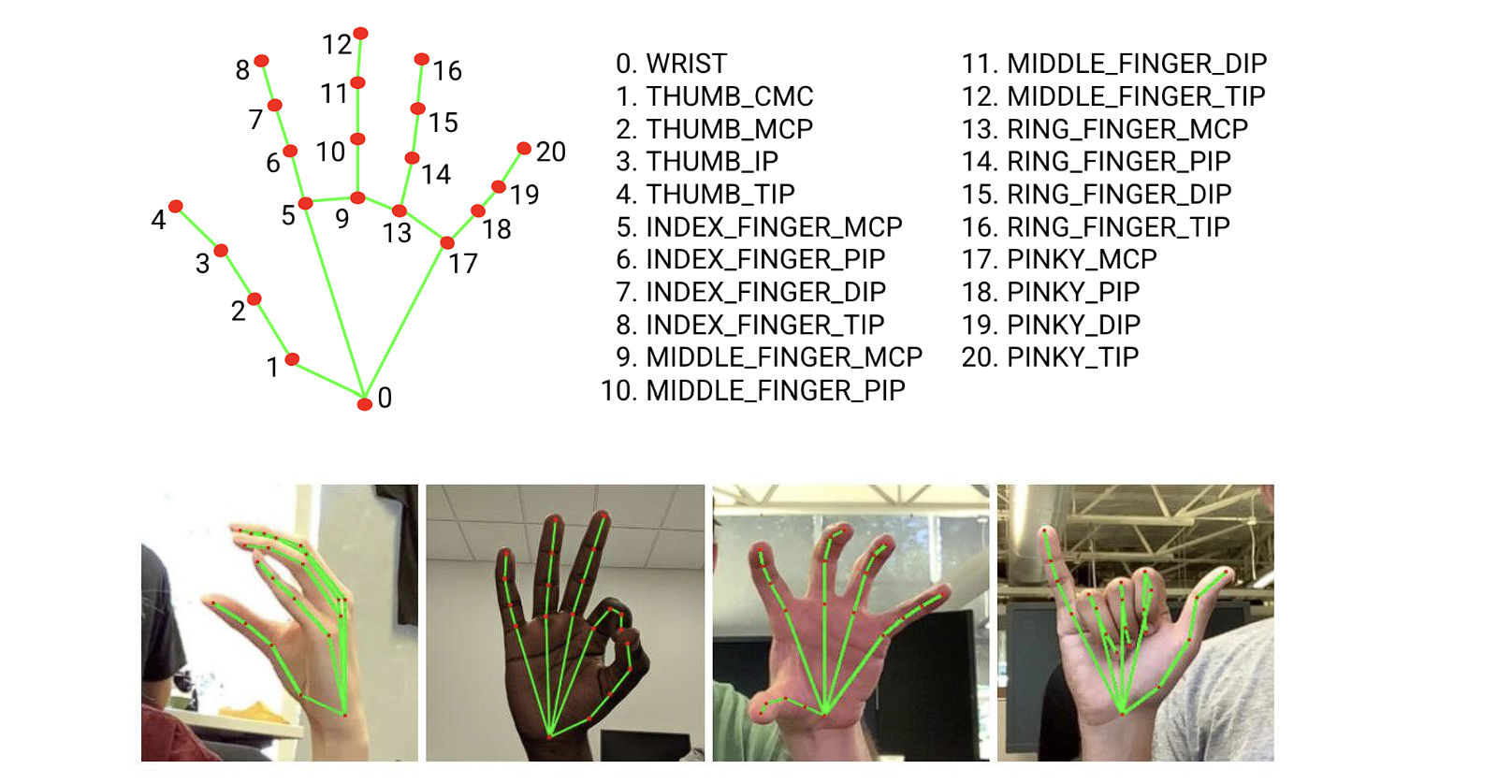
Source: Github
Tools & Technologies Used:
Skills Gained:
Real-Life Application: Touchless interfaces are increasingly prevalent in modern devices, enhancing user experience in scenarios where physical contact is inconvenient or unsanitary. Implementing gesture-based volume control can be particularly beneficial in environments like kitchens, workshops, or for individuals with mobility challenges.
Also Read: What is Virtual Reality Technology?
Among our free final year projects for computer science with source code, the fourth one is a restaurant booking website, which will aid restaurants in processing their online business. This project includes everything from online order management to stocking up inventories, table booking, menu management, bill generation, etc. You can use HTML, CSS, Java, etc., where MySQL database controls backend data for website designs.
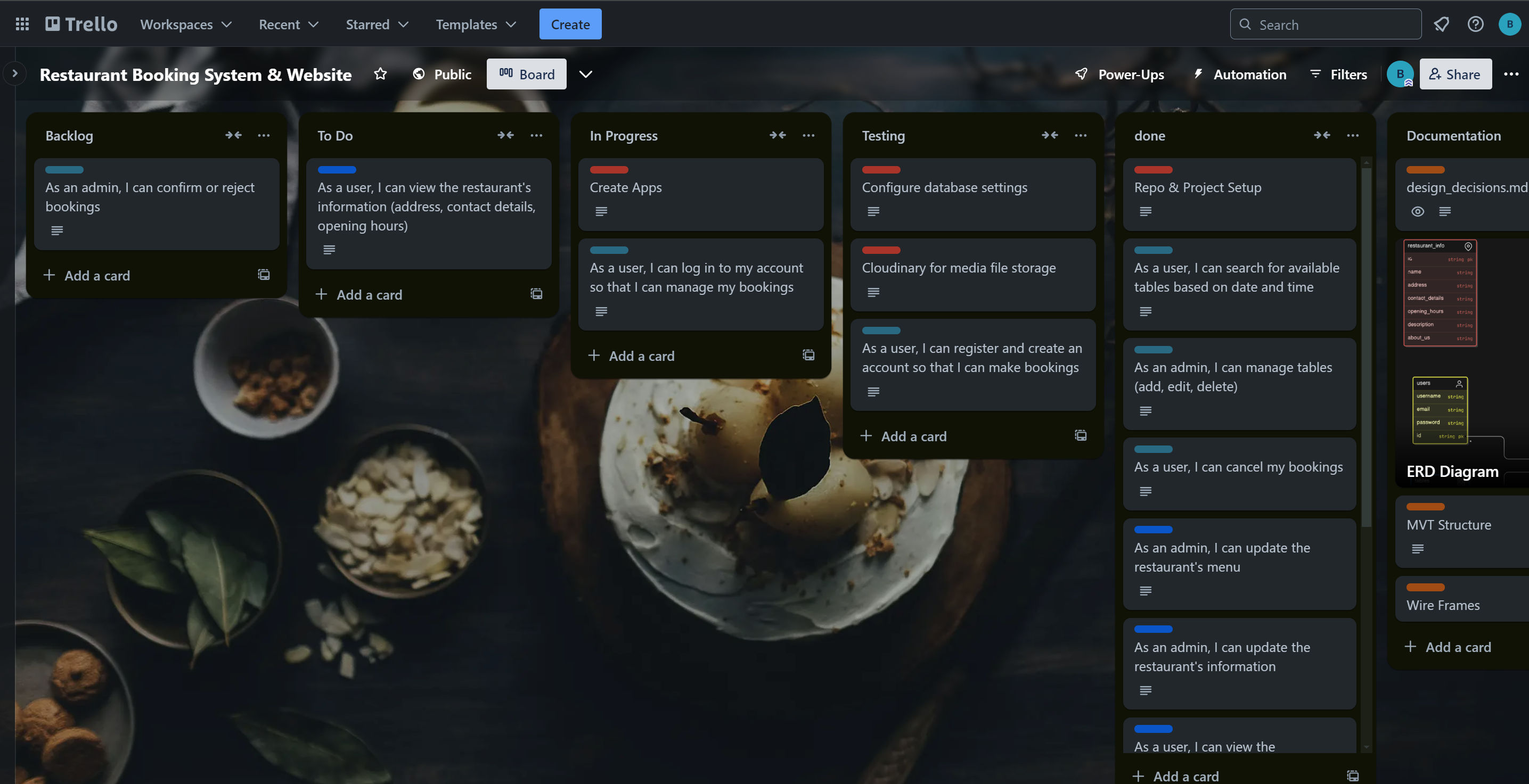
Source: Github
Tools & Technologies Used:
Skills Gained:
Real-Life Application: Such systems are widely used by restaurants to allow customers to reserve tables online, view menus, and manage orders, enhancing operational efficiency and customer satisfaction.
Also Read: Top 39+ Real Time Projects Every Tech Student Should Try in 2026
If you’re up for little experimenting on your computer science final year project, you can develop an ebook maker for online learners. With author and admin logins, ebook makers will allow the learners to create, modify and design ebooks at zero cost. Once the users have filled in the necessary details, they can generate fresh books with personalized content. They can also modify the book title, cover, page numbers etc. You can also limit the number of editable books for a user at a time.
Tools & Technologies Used:
Skills Gained:
Real-Life Application: This project facilitates authors and educators in creating, editing, and publishing ebooks without the need for specialized software. It streamlines the ebook creation process, making it accessible to users with varying technical expertise.
On the same line as an ebook maker is our next idea for a major project for CSE final year. A Library Management System manages all library functions. It helps a user maintain a fresh book database and keep track of books borrowed by readers with the due dates, thus saving time and offering cost-effectiveness. It also moves the traditional library setup to a digital one, increasing an organisation’s overall efficiency.
Tools & Technologies Used:
Skills Gained:
Real-Life Application: This project modernizes traditional library operations by digitizing book tracking, borrower management, and catalog maintenance. It is ideal for academic institutions and public libraries looking to reduce manual effort and improve user experience with timely notifications and efficient cataloging.
Among our mini projects for computer science students is designing chatbots or chatterbots. These applications mimic human conversation via texts or commands, or both. It’s an artificial intelligence feature users can embed in any messaging application. You can deliver pertinent responses to users with your chatbot project.
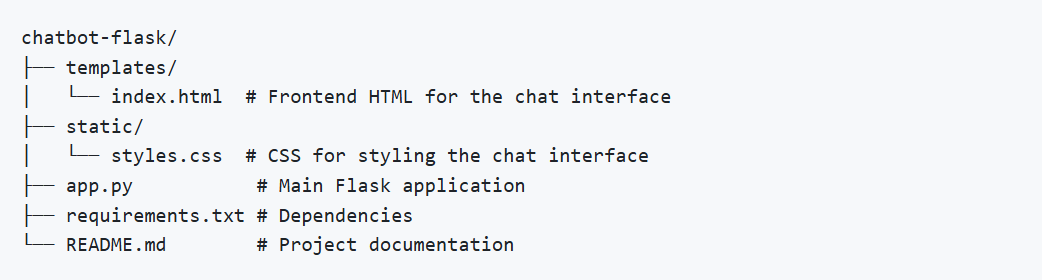
Source: Github
Tools & Technologies Used:
Skills Gained:
Real-Life Application: This project enables the creation of intelligent chatbots that simulate human conversation, providing instant support and information across various platforms. It's applicable in customer service, education, and personal assistant tools, enhancing user engagement and accessibility.
Also Read: How to Make a Chatbot in Python: A Complete Guide with Source Code
Web scraping or web crawling is the data and content extraction process from a website using bots. Paired with Beautiful Soup, a library that eases data scraping from websites, it is one of the ideal final year project ideas for computer science students. It makes HTML extraction from websites effortless and works perfectly with parsers to explore ways of navigating, searching, etc.
Tools & Technologies Used:
Skills Gained:
Real-Life Application: This project automates the extraction of data from websites, enabling tasks like price monitoring, content aggregation, and data analysis. It's particularly useful for collecting information from sites without APIs, aiding in research, business intelligence, and competitive analysis.
Also Read: What is Web Scraping & Why Use Web String?
Noting class attendance is time-consuming, especially for high-strength classes. Thus, you can automate the attendance system by developing an application that reads and compares students’ fingerprints against a more expansive database. Once it finds a match, attendance will be updated in the system automatically. Later you can modify the application by incorporating academic performance evaluation, where the learners can log in with their fingerprints to view their scorecards.
Tools & Technologies Used:
Skills Gained:
Real-Life Application: This project automates attendance tracking by utilizing fingerprint recognition, ensuring accurate and secure record-keeping. It's particularly beneficial for educational institutions and organizations aiming to streamline attendance processes and eliminate manual errors.
Smart Farming is a technique which involves automatic irrigation practices and sensors used to monitor agricultural progress, soil temperature, humidity, moisture, etc. With your IoT-based smart farming project, farmers can use precise farming to increase their yield. They can also automate their farming with devices like temperature sensors, light control, spraying activities, etc.
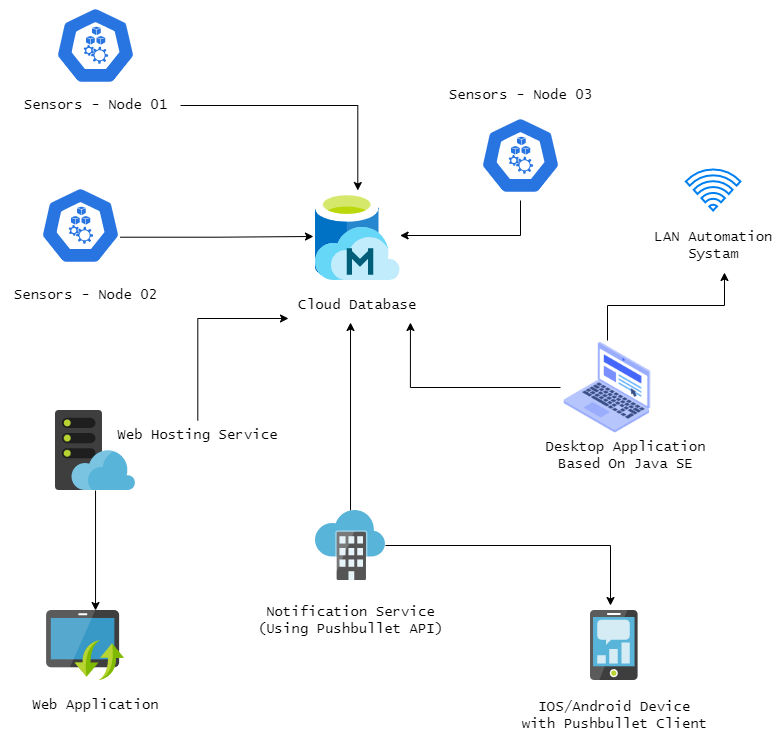
Source: Github
Tools & Technologies Used:
Skills Gained:
Real-Life Application: This project leverages IoT technologies to monitor and manage agricultural parameters such as soil moisture, temperature, humidity, and more. By automating irrigation and providing real-time data, it aids farmers in making informed decisions, optimizing resource usage, and increasing crop yield.
Also Read: Top Applications of IoT in Agriculture - Detailed Study
Twitter is an attractive platform to showcase one’s thoughts and opinions. Twitter Sentiment Analysis is a text analysis technique recognising emotions within a tweet. This analysis identifies neutral, negative or positive emotions and pinpoints sadness, happiness, etc. For your project, extract sample tweets by locating specific hashtags to perform the analysis in Python and R.
Tools & Technologies Used:
Skills Gained:
Real-Life Application: This project analyzes public sentiment on Twitter by classifying tweets as positive, negative, or neutral. It's valuable for businesses and researchers to gauge public opinion, monitor brand reputation, and make data-driven decisions based on social media trends.
Also Read: Twitter Sentiment Analysis in Python: 6-Step Guide
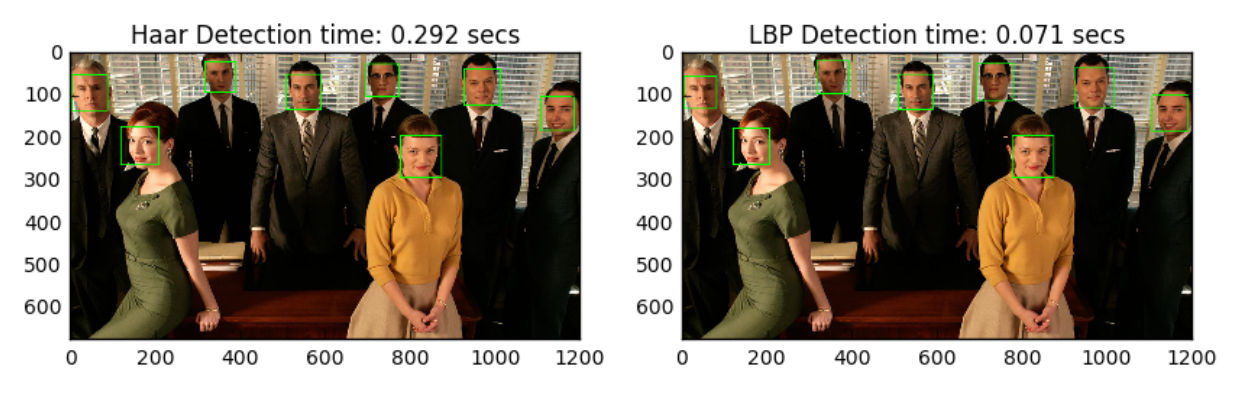
Face Detection technology has modified the surveillance efforts of contemporary times. Paired with biometric technology, face detection technology is one popular topic for computer science projects. You can build your project around detecting faces from live videos from webcams or a computer’s video file. You can use OpenCV and Python to design such a project.
Source: Github
Tools & Technologies Used:
Skills Gained:
Real-Life Application: This project enables the detection of human faces in real-time using a webcam or video files. It's foundational for applications in surveillance, biometric authentication, and interactive user interfaces.
Also Read: Face Detection Project in Python: A Comprehensive Guide for 2026
Another popular computer science project idea is a weather forecasting application offering users real-time weather information. Thus, your project will help users plan their daily activities better. The prerequisite for this project includes knowledge of data algorithms and structures along with APIs to retrieve weather data.
Tools & Technologies Used:
Skills Gained:
Real-Life Application: This application provides users with real-time weather updates, including temperature, humidity, wind speed, and forecasts. It assists users in planning daily activities and events effectively by delivering accurate weather predictions.
Also Read: 14 Ways Big Data in Weather Forecasting Makes Predictions Better.
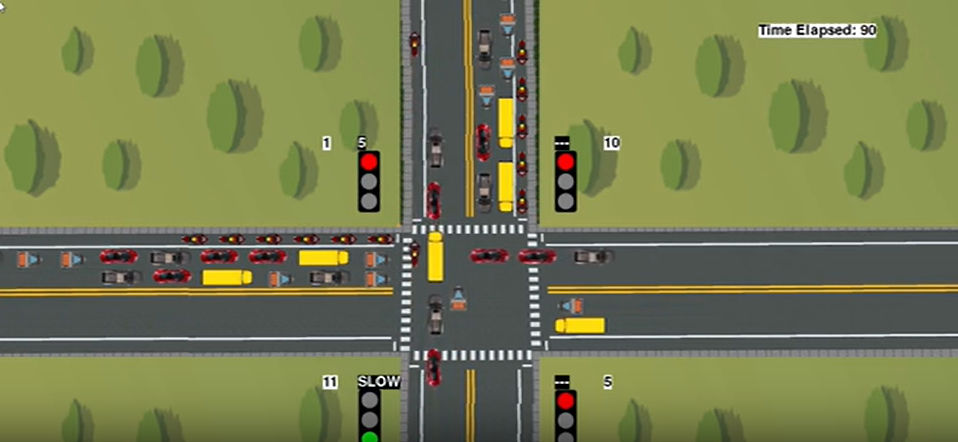
With this project, you will provide travellers with an easy way to get around the town. You can design an application which analyses traffic data and suggests the shortest route to users. It saves travel time and significantly reduces traffic congestion in the city.
Source: Github
Tools & Technologies Used:
Skills Gained:
Real-Life Application: This application provides travelers with optimized routes, helping them avoid congested roads. It improves traffic flow across the city, reduces travel time and fuel usage, and supports smarter urban planning initiatives.
Also Read: 12 Ways How Big Data is Revolutionizing Smart Cities
Check out our free technology courses to get an edge over the competition
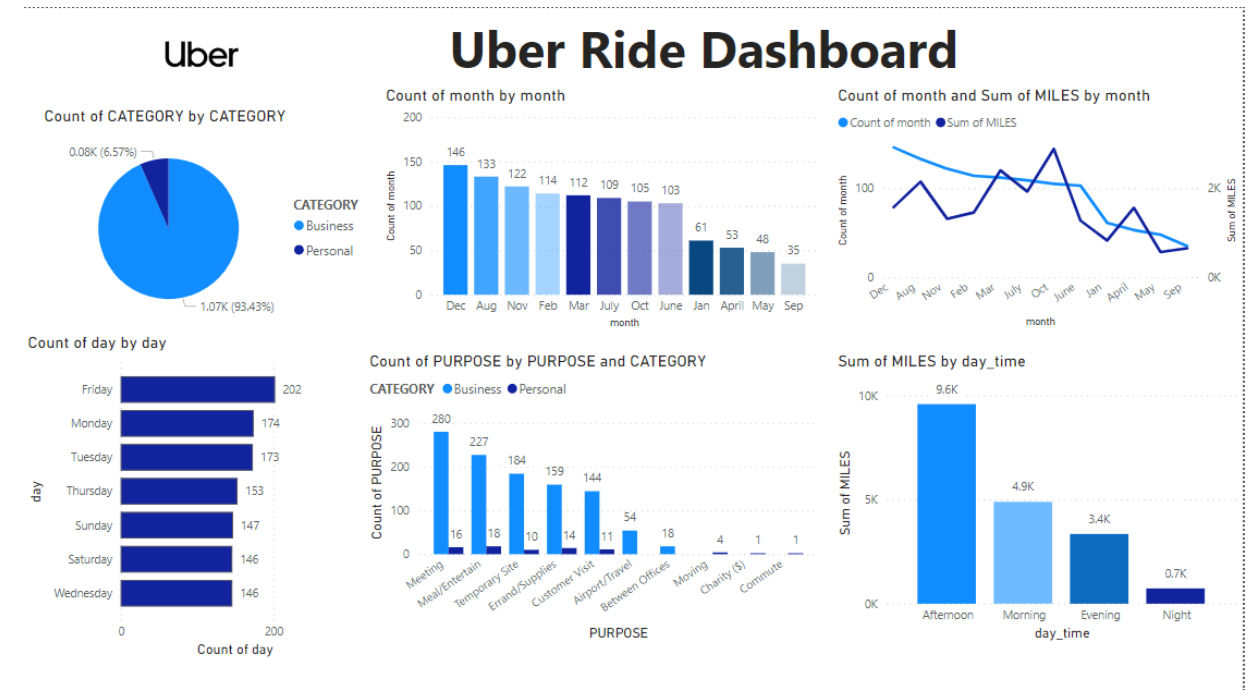
Uber data analysis is one of the most innovative mini projects for computer science students. You can use Python libraries to search for the busiest pickup hours, days, or months.
Source: Github
Tools & Technologies Used:
Skills Gained:
Real-Life Application: By analyzing Uber ride data, stakeholders can make informed decisions to improve service efficiency. For instance, identifying peak hours and days can help in allocating resources effectively, planning driver schedules, and enhancing customer satisfaction. Urban planners and transportation authorities can also use these insights to understand commuting patterns and make infrastructure improvements.
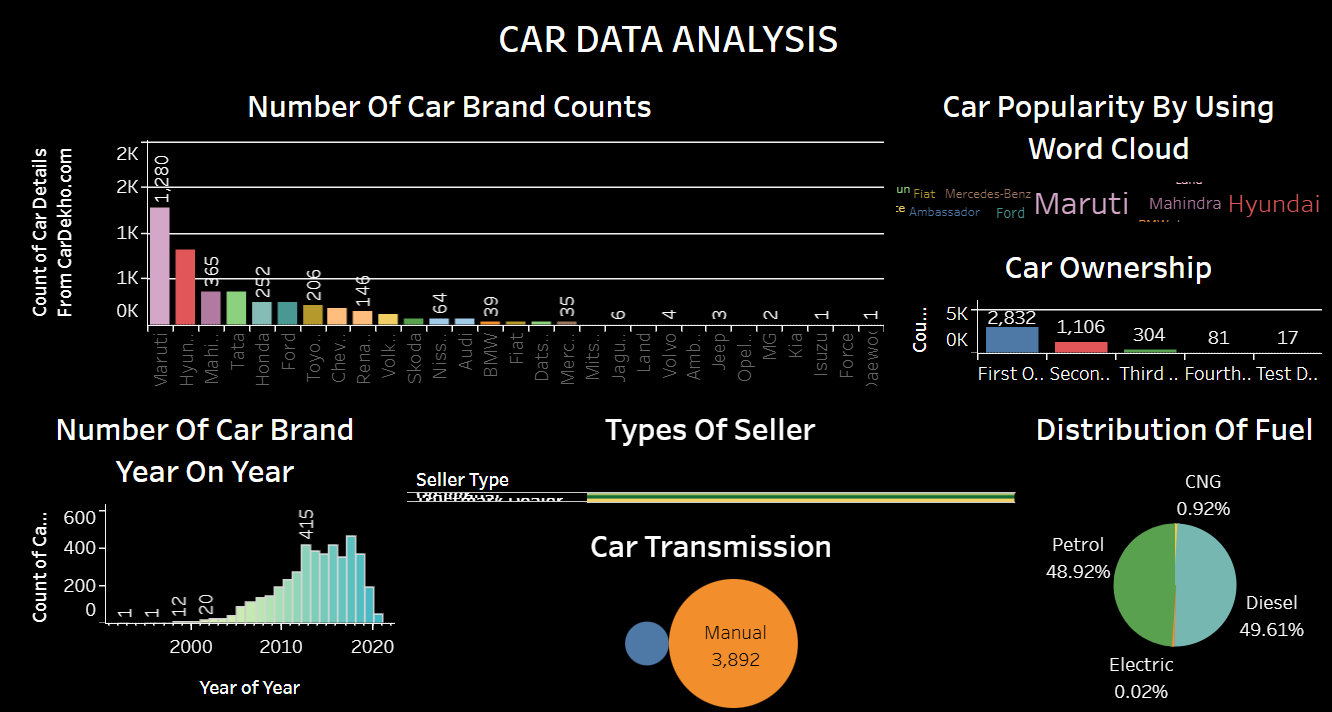
This analysis gives users a general idea of cars with specific parameters and specialities. Furthermore, it helps a buyer choose an ideal car for themselves.
Source: Github
Tools & Technologies Used:
Skills Gained:
Real-Life Application: By analyzing car data, stakeholders can make informed decisions regarding vehicle purchases, marketing strategies, and inventory management. For instance, identifying the most popular car models, understanding price distributions, and recognizing consumer preferences can guide manufacturers and dealers in tailoring their offerings to market demands.
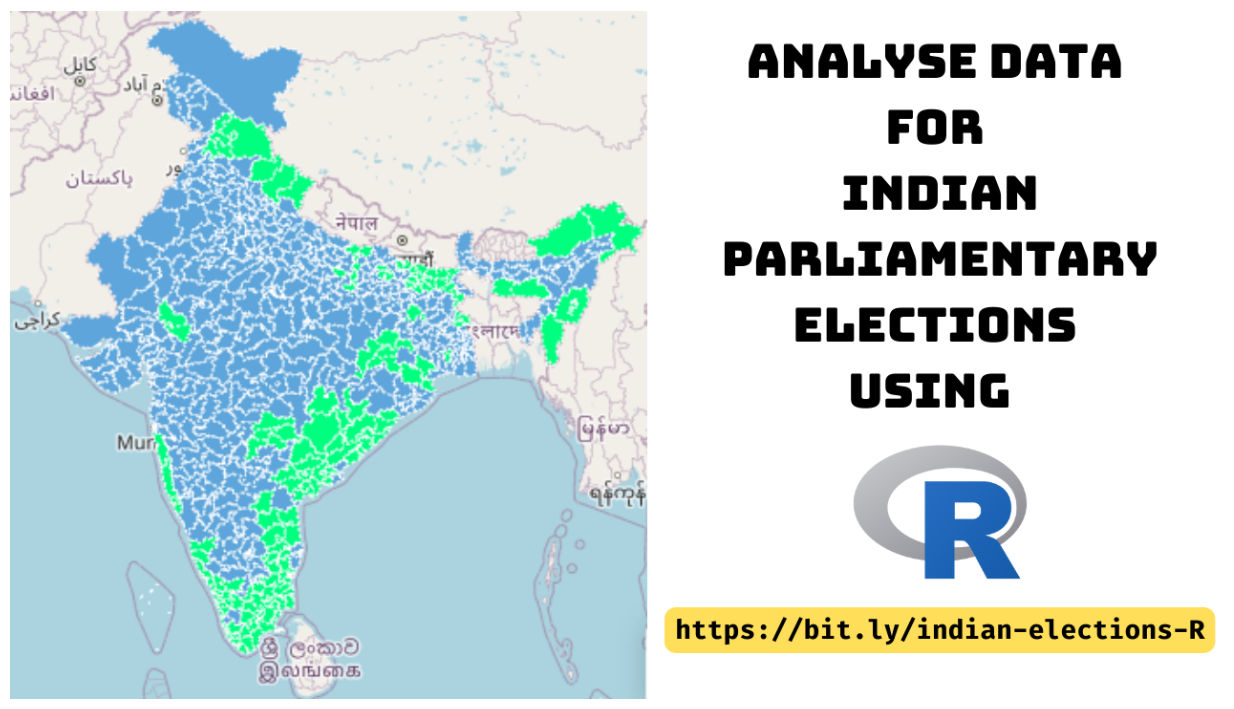
The interactive election poll charts shown on the news channels result from election data analysis. You can use R in your project to analyse the differences in past and present political scenarios. You can further use the same project to predict future changes.
Source: Github
Tools & Technologies Used:
Skills Gained:
Real-Life Application: By analyzing election data, stakeholders can make informed decisions regarding campaign strategies, policy-making, and resource allocation. For instance, identifying regions with shifting voter preferences can help political parties tailor their messages. Researchers can study the impact of socio-economic factors on election outcomes. Citizens can gain a deeper understanding of the political landscape and engage more effectively in the democratic process.
With this project, you can help the users filter out junk or spam they receive through awards, advertisements, promotions etc. You can use deep algorithms or TensorFlow to curate such a project.
Tools & Technologies Used:
Skills Gained:
Real-Life Application: This project helps mobile users avoid unwanted spam messages by automatically filtering them, improving communication clarity and security. It is widely used in messaging apps, telecom providers, and email spam filters to reduce nuisance and potential threats.
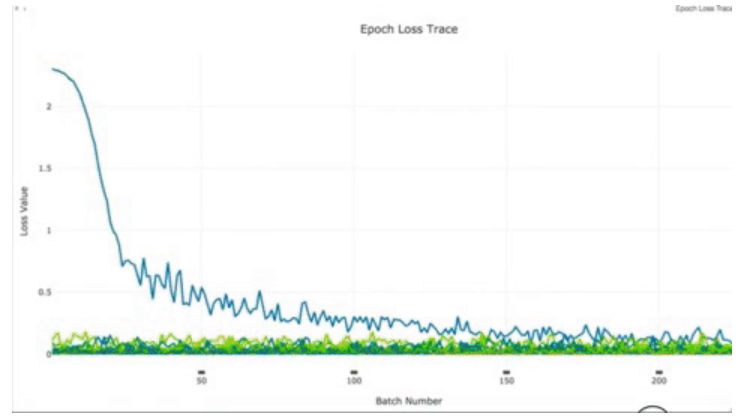
It is a process which helps machines recognise human written digits. It uses CNN algorithms that extract specific input features to recognise the digits.
Source: Github
Tools & Technologies Used:
Skills Gained:
Real-Life Application: Handwritten digit classification is widely used in automated systems for reading postal codes, digitizing handwritten documents, bank check processing, and form recognition systems to reduce manual data entry errors.
It is an ideal project which targets students. Packed with admin and user modules, you can develop this project to provide information on ongoing and upcoming college placements.

Source: Github
Tools & Technologies Used:
Skills Gained:
Real-Life Application: This system helps streamline college placement processes, allowing students to stay informed about opportunities while reducing manual administrative work for placement cells.
What Is a Computer Science Final Year Project?
A computer science final year project is a practical application that allows students to apply the programming, database, software engineering, and problem-solving skills they have learned throughout their degree. It usually involves identifying a real-world problem, designing a solution, developing the application, and documenting the entire process.
A well-executed final year project for computer science student demonstrates technical knowledge, project management skills, and the ability to build complete software solutions. Common computer science project topics for final years include web applications, AI systems, cloud computing, cybersecurity, IoT, data science, and mobile app development. Choosing relevant final year project ideas for computer science students can strengthen your portfolio and improve placement opportunities.
Development Lifecycle
Every successful computer science project follows a structured development lifecycle. Following these stages helps ensure the project is planned, developed, tested, and delivered efficiently.
1. Problem Identification: Define the problem your project aims to solve and identify the target users.
2. Requirement Analysis: Gather functional and technical requirements, choose the technology stack, and define the project scope.
3. System Design: Prepare the architecture, database schema, user interface mockups, and workflow diagrams.
4. Development: Build the frontend, backend, database, and APIs while implementing the project's core features.
5. Testing: Test each module individually and as a complete system to identify and fix bugs before deployment.
6. Deployment: Deploy the project to a cloud platform or hosting service so users can access and evaluate it.
7. Maintenance: Monitor the application, resolve issues, improve performance, and add new features based on feedback.
Writing the Project Report
The project report documents your work and explains the design, implementation, and outcomes of your project. A clear report helps evaluators understand your approach and technical decisions.
A typical report includes:
Use screenshots, diagrams, flowcharts, ER diagrams, and code snippets where appropriate to make the report easier to understand.
Testing and Deployment
Testing ensures that your project functions correctly before submission, while deployment makes it available for real-world use.
Testing methods include:
Deployment checklist:
A properly tested and deployed project demonstrates professionalism and helps showcase your work to recruiters, making your final year project for computer science student more valuable during placements and interviews.
Next, let’s look at how you can choose a project that aligns with your career goals.
AI Courses to upskill
Explore Artificial Intelligence Courses for Career Progression
Sorting through potential topics is the next essential step after choosing your domain of interest. There are tons of ideas for mini projects for computer science students. You can follow these steps to identify your preferred topic:
The computer science project topics for final years is your first real test in building and delivering a complete, end-to-end software or system solution. Choosing the right project sharpens essential technical skills like API integration, database design, and scalable architecture. It also mirrors the kind of teamwork, debugging, documentation, and version control challenges you'll face in the industry.
A well-executed project often becomes a powerful portfolio piece that can directly influence job interviews. This is why upGrad offers industry-relevant courses that guide you through these skills with practical projects and real-world case studies.
To complement upGrad’s programs covered in the blog, here are some additional free courses that can help you:
If you're unsure where to begin or which area to focus on, upGrad’s expert career counselors can guide you based on your goals. You can also visit a nearby upGrad offline center to explore course options, get hands-on experience, and speak directly with mentors!
Source Codes:
https://github.com/codebiet/Hangman
https://github.com/terenty-rezman/simple-vpn
https://github.com/pratham-bhatnagar/Gesture-Volume-Control
https://github.com/Bear81/restaurant_booking
https://github.com/DevamPanchasara/E_Book_Maker
https://github.com/BurhanMohammad/Django-librarymanagement
https://github.com/aadi2611/Chatbot-Using-Flask
https://github.com/soumyadipghorai/web-scraping-with-bs4
https://github.com/Sufwan-Masood/Attendance-System-Using-Finger-Reader
https://github.com/Deshan555/IOT-Smart_Farming
https://github.com/anant1203/Twitter-Sentiment-Analysis
https://github.com/informramiz/Face-Detection-OpenCV
https://github.com/zabavb/My-weather-app
https://github.com/shubham001official/Smart-Adaptive-Traffic-Management-System
https://github.com/Geo-y20/Uber-Rides-Data-Analysis
https://github.com/aashok30/Car-Data-Analysis
https://github.com/apoorv74/election-analysis-R
https://github.com/junioralive/sms-spam-detection
https://github.com/activatedgeek/LeNet-5
https://github.com/steeltroops-ai/Placement-Management-System
References:
https://www.codemotion.com/magazine/infographics/the-story-of-google-infographic/
Good projects combine practical problem-solving with modern technologies. Popular choices include chatbots, weather forecasting applications, library management systems, sentiment analysis tools, smart farming platforms, and face detection systems. If you're looking for a list of projects for computer science students with source code, choose projects that include GitHub repositories and implementation guides so you can understand the development process and customize the solution.
Start by identifying the field you want to enter, such as AI, cybersecurity, web development, cloud computing, or data science. Choosing the right final year project computer science topic helps you build relevant skills, strengthen your portfolio, and prepare for roles aligned with your career goals.
Python, Java, JavaScript, React, TensorFlow, OpenCV, MySQL, cloud platforms, and machine learning frameworks remain highly popular. These technologies support a wide range of applications across software engineering, artificial intelligence, and data science. Many computer science projects with source code are built using these technologies, making them excellent choices for learning and portfolio development.
The best project depends on your interests and skill level. AI-powered chatbots, IoT-based smart farming systems, sentiment analysis applications, and computer vision projects remain popular because they solve real-world problems. Many students also prefer final year CSE projects with source code to better understand project architecture and implementation before building their own solution.
Employers often evaluate practical experience alongside academic performance. Well-executed Final Year Projects for Computer Science demonstrate technical proficiency, teamwork, and problem-solving skills. Projects that include complete documentation and working implementations leave a stronger impression during placements.
Both approaches have advantages. Individual projects showcase ownership and independent problem-solving, while team projects demonstrate collaboration and communication skills. Regardless of the approach, maintaining proper documentation and version control makes the project easier to present and evaluate.
Common mistakes include choosing overly complex ideas, poor planning, weak documentation, limited testing, and delaying development until the last minute. Following a structured approach with milestones and maintaining final year projects with source code and documentation helps improve project quality and makes the work easier for reviewers to understand.
Strong projects demonstrate hands-on experience with programming languages, frameworks, databases, and modern technologies. Recruiters value candidates who can showcase a complete computer science project with source code, as it provides evidence of practical implementation rather than just theoretical knowledge.
Yes. Artificial intelligence continues to influence industries such as healthcare, finance, retail, education, and cybersecurity. Projects involving chatbots, sentiment analysis, image recognition, recommendation systems, and predictive analytics remain highly relevant and attractive to employers.
Most projects require anywhere from two to six months depending on complexity, research requirements, and team size. Proper planning, requirement analysis, development, testing, and documentation should all be included within the project timeline.
Projects that solve real-world problems, include modern technologies, provide measurable outcomes, and feature clear documentation often receive stronger evaluations. Demonstrating scalability, usability, and practical impact can leave a lasting impression on faculty members and recruiters alike.
Many students refer to GitHub repositories, platforms such as upGrad, and open-source communities for inspiration. Reviewing final year projects for computer science with source code and documentation helps you understand project architecture, implementation, testing, and documentation standards before starting your own project.
Yes. GitHub hosts thousands of open-source repositories covering AI, web development, cybersecurity, IoT, cloud computing, and mobile applications. Exploring free final year projects for computer science with source code GitHub repositories can help you learn best practices, understand folder structures, and contribute to real-world projects before building your own.
911 articles published
Pavan Vadapalli is the Director of Engineering , bringing over 18 years of experience in software engineering, technology leadership, and startup innovation. Holding a B.Tech and an MBA from the India...
Speak with AI & ML expert
By submitting, I accept the T&C and
Privacy Policy
Top Resources
Master's Degree
18 Months
Executive Diploma
12 Months
IIIT Bangalore
Executive Programme in Generative AI & Agentic AI for LeadersIndia’s #1 Tech University
Dual Certification
5 Months