












- Sign In

Newcastle University: Rankings, Fees, Courses & Admissions
Newcastle upon Tyne, UK
Download Brochure
437
No of Courses
#137
Rank(QS Top Universities)
Public
University Type
Overview
|
Latest Update: Newcastle University's 2025–26 academic year commences on Monday, 15 September 2025. The academic year is structured into three terms: Autumn (15 September – 12 December 2025), Spring (5 January – 20 March 2026), and Summer (20 April – 5 June 2026). |
Newcastle University is a distinguished public research institution located in Newcastle upon Tyne, England. As a member of the prestigious Russell Group, it stands among the top UK universities, renowned for its commitment to research excellence and high-quality teaching.
Newcastle University offers courses with over 270 postgraduate degrees across various disciplines. The University is consistently ranked among the top 140 universities globally, securing the 137th position in the QS World University Rankings 2026 .
The campus is home to more than 27,000 students from over 135 countries studying in the UK, instilling a dynamic and inclusive academic community. The university's strategic global partnerships and strong industry links provide students with opportunities for research collaboration and career development.
Here’s an overview of key details about Newcastle University.
| Particulars | Details |
| Established Date | 1834 |
| Total Enrollments | 27,000 |
| Newcastle University Acceptance Rate | 87% |
| Popular Programs | |
| Student-to-Faculty Ratio | 15:1 |
| Rankings |
|
| Tuition Cost |
UG: £15,000 (INR 17.49L) PG: £25,000 (INR 29.16L) |
| International Student Support Wing | https://www.ncl.ac.uk/study/student-life/support-wellbeing/ |
If you're considering further studies in the UK, the following programs could be an excellent match for your academic and career goals:
Not sure if Newcastle University matches your academic and career goals? Book a free 1:1 counseling session with upGrad’s expert advisors for personalized guidance on programs, eligibility, tuition, and scholarships!
Now that you have a brief understanding of Newcastle University, let’s dive deeper into it and explore campus life.
Newcastle University Campus
Newcastle University operates 3 campuses globally, each offering unique features tailored to their respective regions while maintaining the university's commitment to excellence in education and research.
As one of the best public universities in the UK, it hosts unique spaces like the Philip Robinson Library, which has around 500,000 e-books.
Here's an overview of what campus life at Newcastle University looks like.
Newcastle upon Tyne, UK – Main Campus
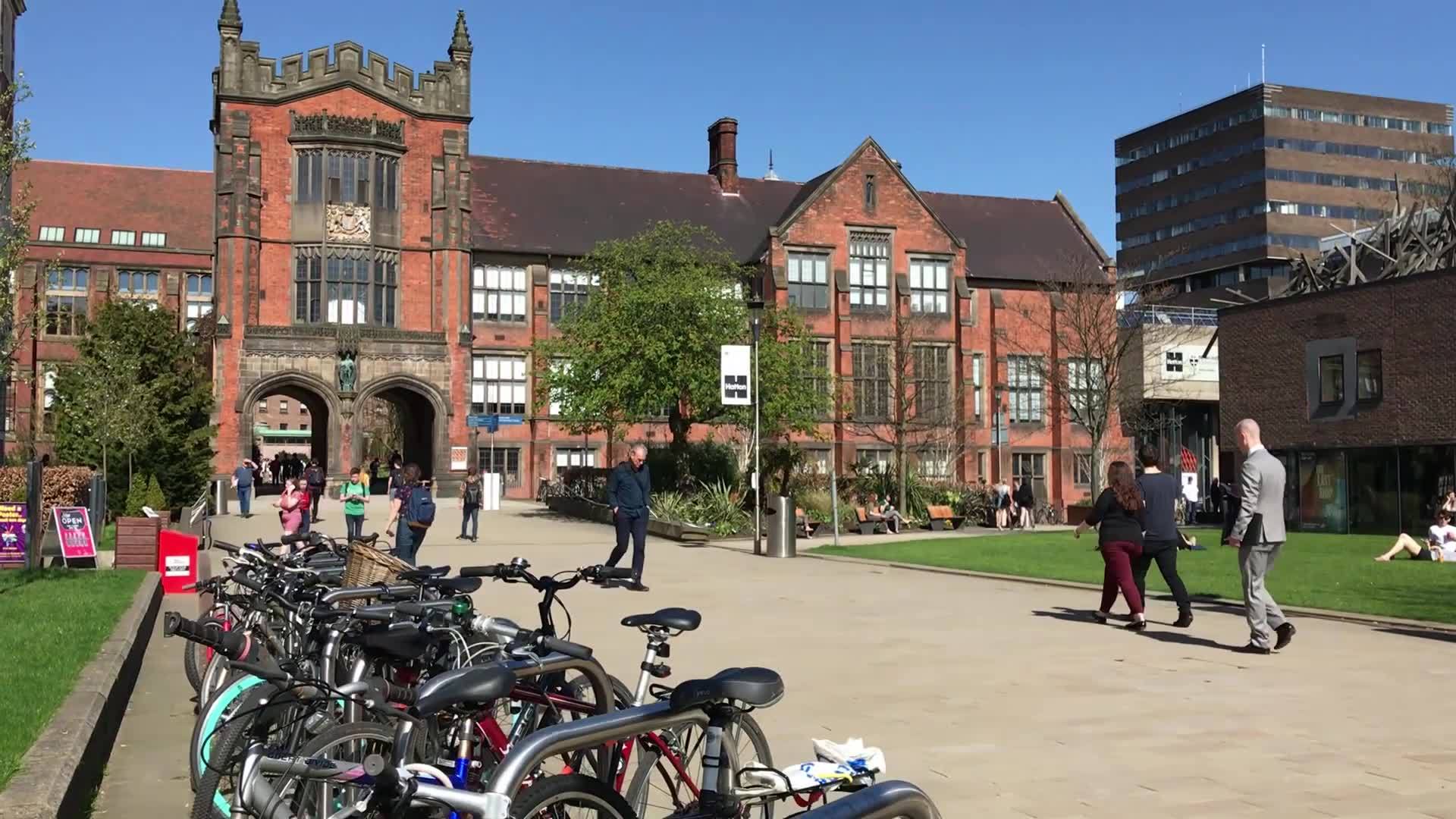
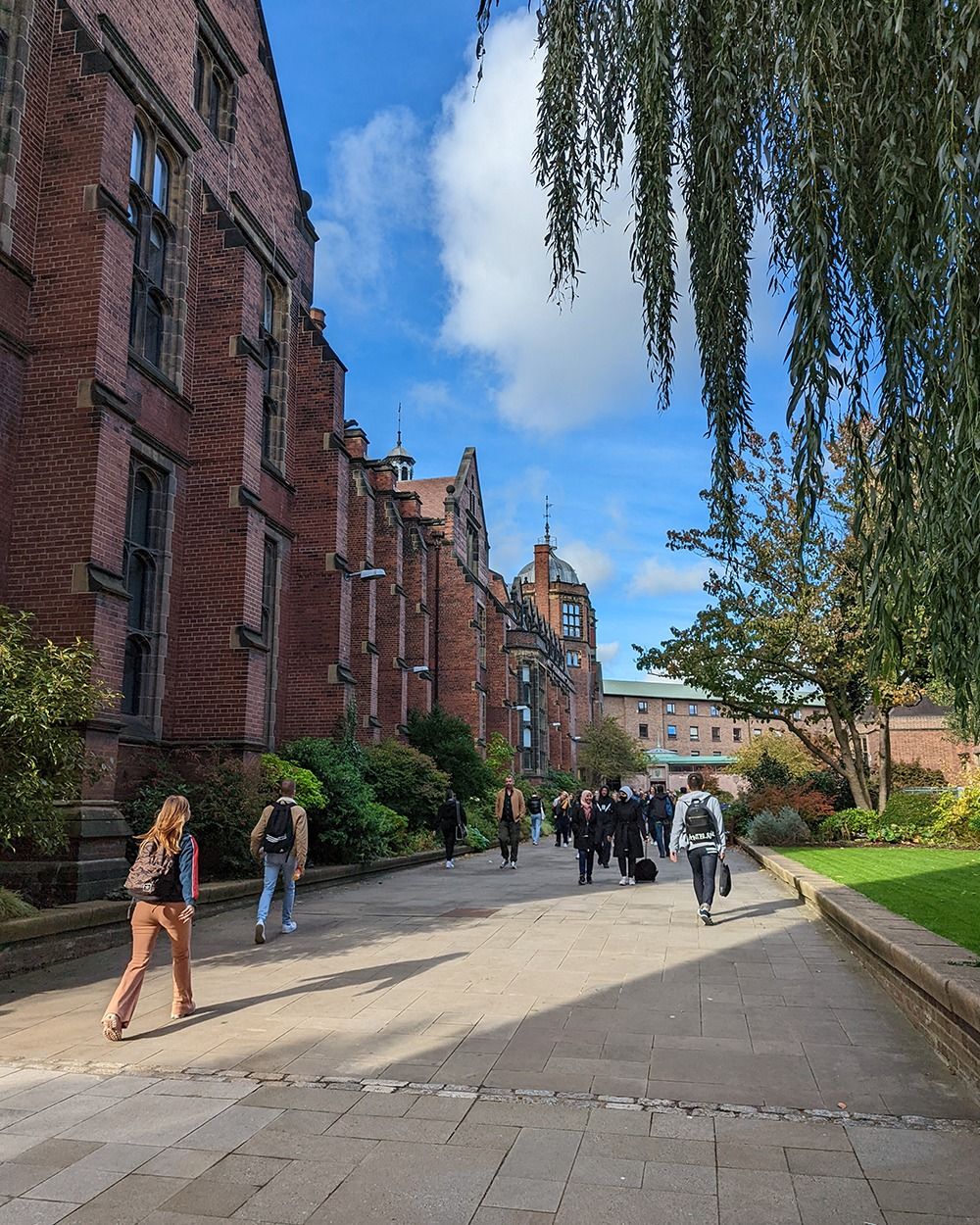
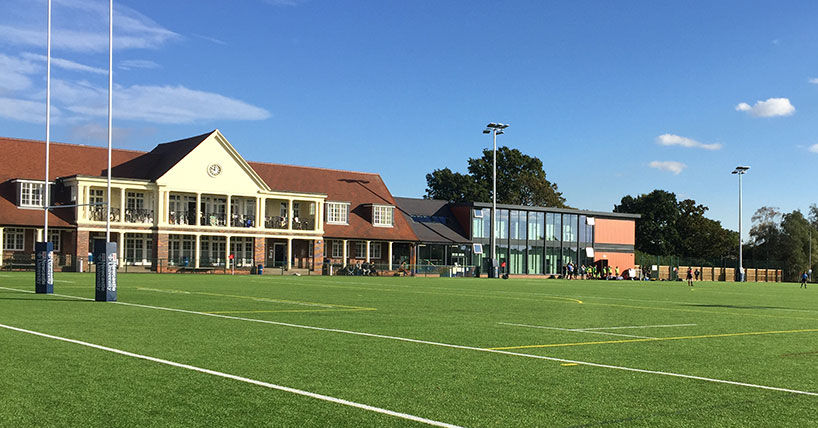
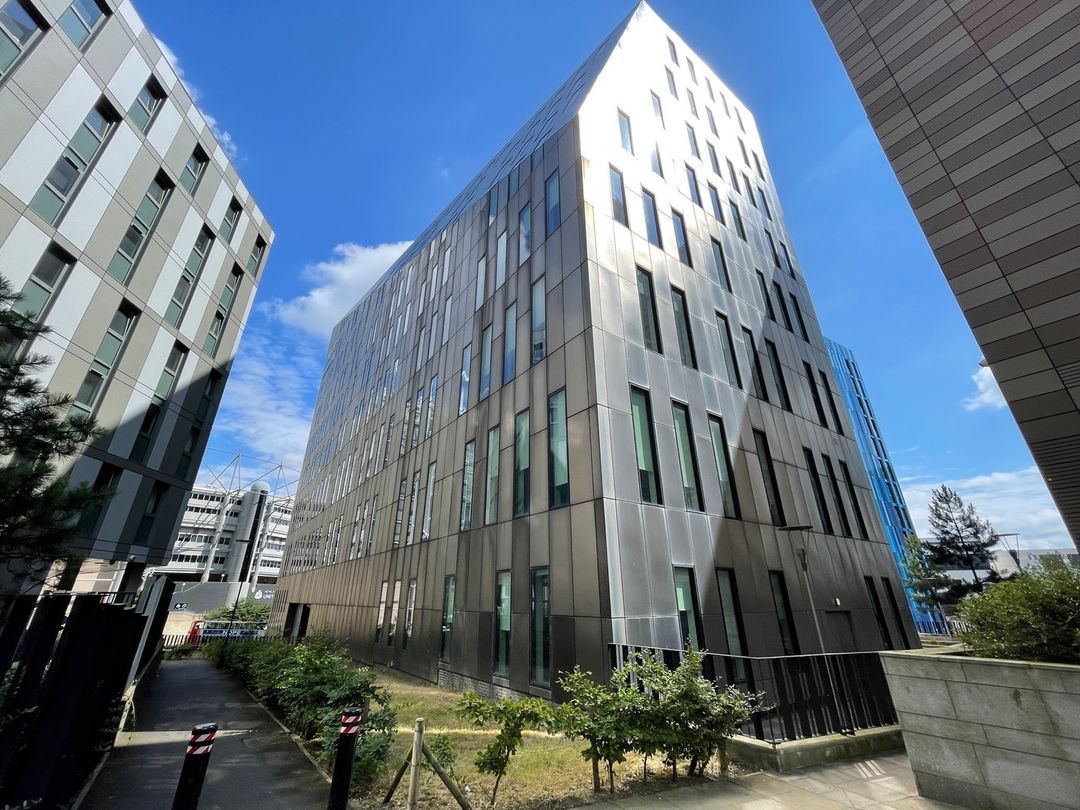
- Historic and Modern Facilities: The campus blends traditional architecture with state-of-the-art facilities, including laboratories, studios, museums, and galleries.
- Student Support: Offers a range of services such as IT support, study assistance, and a vibrant Students' Union to enhance student life.
- Extensive Library Resources: The Philip Robinson Library provides over a million books and journals, 500,000 e-books, and 200 networked computers.
Newcastle University in Singapore
- Strategic Industry Partnerships: Collaborates with the Singapore Institute of Technology (SIT) to offer joint degree programs in engineering disciplines.
- Research Excellence: Hosts the Newcastle Research & Innovation Institute (NewRIIS), focusing on climate change, AI, and marine technology.
- Overseas Immersion Programme: Provides students with a 3-week immersive experience at the UK campus, enhancing global exposure.
Newcastle University Medicine Malaysia (NUMed)
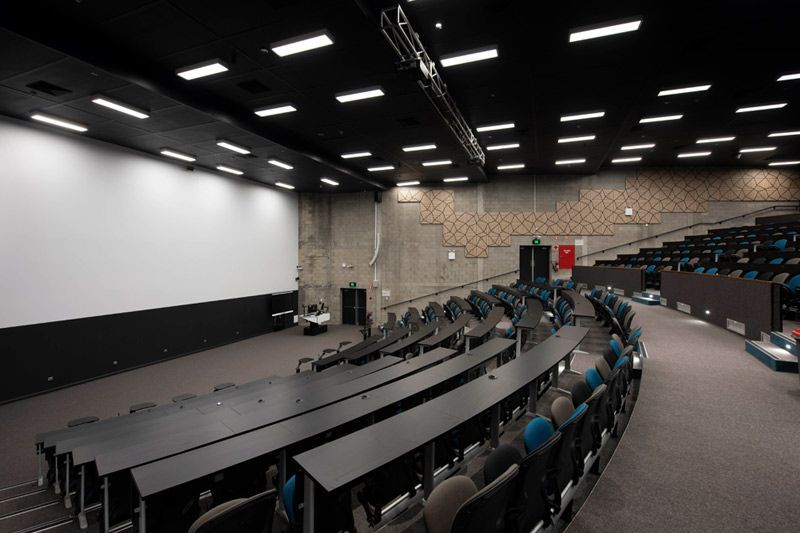
- State-of-the-Art Medical Facilities: The campus offers modern lecture halls, laboratories, and student recreation rooms.
- Student Accommodation: Provides high-quality self-catering apartments with amenities like a swimming pool and gymnasium.
- Integrated Clinical Training: Students gain clinical experience at affiliated hospitals such as Hospital Sultan Ismail and Hospital Sultanah Aminah in Johor Bahru.
Now that you understand campus life explore how Newcastle University performs in global and subject-wise rankings.
Newcastle University Ranking 2025-26
Newcastle University holds its position among the world’s elite institutions. According to the QS World University Rankings, it is positioned at #137 in 2026, although a significant fall to #129 in 2025. In the THE rankings, Newcastle improved from #168 to #157 between 2024 and 2025.
Here’s a snapshot of these rankings:
| Ranking Body | 2024 | 2025 | 2026 |
| QS World Rankings | 110 | 129 | 137 |
| U.S. News & World Report | NA | 170 | N/A |
| Times Higher Education | 168 | 157 | N/A |
Now that you’ve seen Newcastle’s overall rankings, explore its standout course-level rankings in 2025-26.
Top Course-wise Ranking 2025-26
Newcastle University consistently ranks among the best in subjects like Geography (#36), Arts and Humanities (#71). fields like. It secured #66 and #87 in 2025. It ranks best in Surgery (#62) as per US News. In THE ranking, Newcastle University ranks #86 for subjects such as Medicine and Health.
Here are the top course-wise rankings for 2025-26:
| Program | Ranking Body | Rank 2025 |
| Geography | QS | 36 |
| Arts & Humanities | QS | 71 |
| Civil Engineering | QS | 101 |
| Medicine and Health. | THE Ranking | 86 |
| Life Sciences | THE Ranking | 501 |
| Surgery | US News | 62 |
Now that you’ve reviewed the course-wise rankings, let’s explore the admissions process for Newcastle University in 2025.
Newcastle University Admissions 2025
The Newcastle University follows a structured admission process for both undergraduate and postgraduate applicants.
For example, you must hold a valid CAS letter issued by Newcastle, and postgraduate programs usually expect a minimum GPA of 3.0/4.0. Some programs may also require GRE scores to gain admission to master’s courses.
Here's a look at the admission requirements you must meet to begin your application.
Admission Requirements
Newcastle University admissionsmaintain a competitive profile across all levels. For instance, a GMAT score of 600 is considered strong for business-related courses. International applicants must also meet minimum language and visa documentation requirements to qualify for full admission.
Here’s a look at the academic qualifications you need to meet before applying.
Academic Qualifications
To apply to Newcastle University, you must meet specific academic entry criteria. Postgraduate programs expect a strong academic background, usually equivalent to a UK 2:1 honors degree or higher. Your qualifications will be reviewed carefully, especially your transcript and GPA conversion.
Below is a breakdown of the academic qualifications you need to prepare for your application.
|
Academic Requirement |
Details |
| Academic qualification |
Undergraduate degree with at least a lower second-class honors (2:2) or equivalent internationally. 75% average in Standard XII as comparable to ABB at A Level. |
| Academic transcripts |
Official transcripts required (final or interim as appropriate) Must list modules, credits, grades (and GPA or weighted average) Submissions in languages other than English must include a certified translation |
| Recommendation Letters | Two letters of recommendation |
| Statement of Purpose | A personal statement of 500 words max |
Note: The information listed above is overall. The actual requirements might be different in specific programs.
Language Requirements
International applicants, including those from India, must demonstrate English language proficiency through IELTS, TOEFL, and DET tests. A minimum IELTS band score of 6.0 for UG and 6.5 for PG courses is required.
Refer to the table below to check the minimum test scores accepted by the university
| Test | Average Score |
| TOEFL | 90+ |
| IELTS | 6.5 |
| GCSE | Grade C |
| Duolingo English Test | 125 |
Note: The information listed above is overall. The actual requirements might be different in specific programs.
Let’s now take a look at whether there are any competitive exam scores required.
Competitive Exam
Newcastle University does not have a universal requirement for standardized tests like the GMAT, GRE, SAT, or ACT for all applicants. However, certain postgraduate programs, like MBA and engineering, may require or recommend specific test scores.
Here is a summary of standardized test requirements for Newcastle University:
|
Exam Type |
Requirement |
| GMAT | 600 |
| GRE | Specific requirements vary by program and for individual courses. |
| SAT / ACT | Some courses may consider SAT/ACT scores if submitted, not a standard requirement. |
Note: The information listed above is overall. The actual requirements might be different in specific programs.
Visa Requirements
To study at Newcastle University, you must apply for a student visa for the UK. The process involves official documents like the CAS letter, financial proof, and, in some cases, medical or ATAS certificates.
The standard visa application fee is £524 (INR 61K), and you must also pay the Immigration Health Surcharge.
Here’s a breakdown of the key visa requirements you must meet.
|
Requirement |
Details |
| CAS Letter | Submit your CAS request at least 8 weeks before the university, as it must be submitted along with supporting documents 4 weeks prior. |
| Visa application fee & times | £524 (INR 61K) standard processing (3 weeks overseas, 8 weeks inside the UK) |
| Immigration Health Surcharge (IHS) | Pay as part of the application, full yearly fee if visa >6 months, charged per 6‑month block; no refund for overlapping periods |
| Financial evidence | Must show funds for tuition + living costs for 28 consecutive days; exceptions apply if resident in the UK for prior 12 months |
| TB certificate | Required if you’ve lived 6+ months in a listed country (India included); must come from a Home Office-approved clinic |
| ATAS certificate | For PG programs, you will have to request ATAS clearance at least 6 weeks before requesting a Confirmation of Acceptance for Studies (CAS). |
Now that you know the visa steps, check the key application dates and deadlines for 2025.
Application Dates & Deadlines
Newcastle University will close applications for all 2025 entry programs on 22 June 2025 for ATAS clearance and on 24 August 2025 for programs that do not require ATAS clearance.
This is to ensure that our international students receive the best possible experience and have enough time to make the necessary arrangements to join the university in September 2025.
The following table shows the application deadlines:
| Application Type | Programs | Deadline |
| Undergraduate | Most degree courses (via UCAS) | 18:00, 29 January 2025 (closed) |
| Postgraduate | Taught programs requiring ATAS | 23:59 BST, 22 June 2025 (closed) |
| Taught programs without ATAS | 23:59 BST, 24 August 2025 |
Note: Applicants who apply by 29 January will need to wait until 14 May 2025 to hear back from universities. Applications received by 30 June 2025 will be considered by the deadline of 17 July 2025.
Now that you’ve reviewed the admission requirements and application deadlines for studying at Newcastle University let’s take a look at the different programs offered.
Newcastle University Programs and Courses
Newcastle University offers 185 UG and 300 master’s degrees across various disciplines, such as Masters in Public Health, a BA in English Literature, and more. However, the number of courses can vary from year to year due to new programs and changes in existing ones.
Here are some popular courses in different streams:
|
Stream |
Programs |
| Business & Finance |
|
| Engineering |
|
| Life Sciences |
|
| Humanities |
|
| Social Sciences |
|
Now, let's explore the program fees at Newcastle University.
Program Fees at the Newcastle University
Newcastle University in the UK offers undergraduate and postgraduate programs ranging from approximately £15,000 (INR 17.49L) to £25,000 (INR 29.16L) per year for international students and around £9,250 (INR 10.78L) for UK/EU students. These figures give you a realistic picture of tuition expenses based on your study goals.
Below are the annual tuition fees for key programs at Newcastle University:
| Program | Tuition Fees in GBP | Tuition Fees in INR |
| MA International Relations | £23,800.00 | INR 27.75L |
| MSc Public Health | £20,000.00 | INR 23.32 |
| MSc Advanced Computer Science | £20,000.00 | INR 23.32 |
| Mechanical Engineering MSc | £13,900 | INR 16.21L |
| Business Management BSc (Hons) | £24,400.00 | INR 28.45L |
| Medicine MB BS (5-year) | £44,500.00 | INR 51.90L |
| Biomedical Sciences MSc (Hons) | £30,000.00 | INR 34.98L |
| International Business Management BSc (Honours) | £24,400.00 | INR 28.45L |
| Combined Honours BA (any subject mix) | £9,535.00 | INR 11.12 |
Note: INR Conversions are approximate and are subject to change.
Now that you know program-specific costs, explore the overall cost of studying at Newcastle University in 2025.
Cost of Studying at Newcastle University
In addition to tuition fees, it's essential to account for your monthly living costs while studying in the UK. The city offers a more affordable student lifestyle compared to other prominent UK cities, such as London.
For international students, the cost of studying in the UK can range between £24,400 (INR 28.46L) and £31,700 (INR 36.97L), influenced by individual choices and academic requirements.
Here’s an estimated breakdown of average weekly expenses for on-campus living:
| Category | Estimated Cost in Pounds |
Estimated Cost in INR |
| Tuition Fees | £24,400 - £31,700 for 3 years | INR 28.46L - INR 36.97L |
| Rent in University for UG | £518 – £880 | INR 60K - INR 1.02L |
| Rent in University for PG | £392 – £798 | INR 45K - INR 93K |
| Course costs | £11 - £59 | INR 1282 - INR 6880 |
| Visa & Immigration | £348 | INR 40K |
| Health Insurance | £470 per year | INR 55K |
| Books & Supplies | £500 | INR 58K |
| Miscellaneous | £1,000 per year | INR 1.17L |
Note: All INR (Indian Rupee) conversions are provided for reference only and are based on the current exchange rate.
The following section explores the essential living expenses you will encounter as an international student at Newcastle University.
Cost of Living
Newcastle city is ranked in the top 10 most affordable cities in terms of cost of living in the UK for Indian students. The approximate cost is about £2,645 (INR 3.03L).
Beyond tuition fees, living expenses like transport, housing, food, and course materials add to the overall living cost. The amount spent on living expenses can vary depending on the city.
Here are the additional costs associated with studying at Newcastle University.
| Category | Estimated Cost in Pounds | Estimated Cost in INR |
| Accommodation | £168 per week | INR 10.25L |
| Living Expenses | £1,203 per month (up to 9 months) | INR 12.71L |
| Miscellaneous (mobile phone, clothing, etc.) | £1,000 per year | INR 1.16L |
| Transport | £28-£68 | INR 3265 - INR 7930 |
| Food | £116 | INR 13K |
| Miscellaneous (mobile phone, socializing, etc.) | £90 | INR 10K |
Note: All INR (Indian Rupee) conversions are provided for reference only and are based on the current exchange rate.
To help ease the burden of tuition costs, Newcastle University offers scholarship opportunities for eligible students. Let's check out some popular scholarships.
Scholarships for Newcastle University 2025 Newcastle University offers 1000+ merit-based scholarships andScholarship
Newcastle University offers 1000+ merit-based scholarships and need-based awards to students. The university offers up to £7,000 (INR 8.16L) or full tuition fee coverage for international students to achieve their academic and career goals.
Below is a breakdown of both internal and external scholarships available, including fully funded scholarships for Indian students:
Internal Scholarships
Newcastle University offers internal scholarships, such as the Vice-Chancellor’s Excellence Scholarship, with awards of up to 50% off on tuition fees for Indian students holding conditional or unconditional offers for September 2025 entry.
The University offers a range of scholarships, each with specific eligibility and benefits detailed in the table below.
| Scholarship Name | Scholarship Type | Details |
| Vice-Chancellor’s Excellence Scholarships | Merit-based |
Eligibility: Applicants must have or expect to achieve a minimum of ABB at A level or equivalent.
Benefits: Up to 50% tuition fee discount for outstanding international applicants. |
| Vice-Chancellor’s International Scholarships | Merit-based |
Eligibility: Applicants must have an offer to study a full-time postgraduate taught degree at Newcastle University.
Benefits: £7,000 (INR 8.16L) tuition fee award for international postgraduate students. |
| Business Excellence Scholarship | Merit-based |
Eligibility: Applicants must hold a UK 2:1 Honours Degree (or its international equivalent) and meet English language requirements.
Benefits: £10,000 (INR 11.66L) tuition fee discount |
| Dean’s International Excellence Scholarship | Merit-based |
Eligibility: Business School. Applicants must hold a UK 1st Class Honours Degree
Benefits: £10,000 (INR 11.66L) tuition fee discount |
| Entrepreneurship, Innovation, and Sustainability Scholarship | Merit-based |
Eligibility: Applicants must hold a UK 2:1 Honours Degree
Benefits: £4,000 (INR4.66) tuition fee discount |
With a strong foundation in internal scholarships supporting a wide range of student needs, the University also recognizes external funding opportunities.
External Scholarships
Government bodies or private organizations provide external scholarships. Indian students aspiring to attend Newcastle University can consider scholarships like the Great Scholarships and the Inlaks scholarships, which help cover both tuition and living expenses.
The scholarships listed below are based on service or merit. Let’s take a look at some prominent external scholarship options available:
| Scholarship Name | Type of Scholarship | Details |
| GREAT Scholarships (British Council) | Merit-based, Government-funded |
Eligibility: Indian and select international students applying for taught Master's degrees.
Benefits:£10,000 (INR 11L) tuition support. |
| Commonwealth Master's Scholarship | Merit-based, Government-funded |
Eligibility: Citizens from Commonwealth nations pursuing full-time Master's degrees.
Benefits: Covers tuition, living stipend, and return airfare. |
| Chevening Scholarships | Merit-based, Government-funded |
Eligibility: Mid-career professionals from India with leadership potential.
Benefits: Full tuition, monthly stipend, visa costs, and airfare. |
With scholarships covered, it's time to understand what kind of career opportunities and placements you can expect as a student at Newcastle.
Placement at the Newcastle University
Newcastle University offers an exceptional placement program that enhances the employability of its students by providing real-world experience in diverse sectors.
The university is renowned for its high placement participation rates, with over 73% of students engaging in placements, giving them a definite advantage in the job market.
Here's an overview of placement services at Newcastle University, helping students land jobs and international internships.
- High Employment Rate: 94% of graduates secured employment or further study within 15 months, showcasing the effectiveness of the placement program.
- 9–12 Month Placement: Most undergraduate degrees offer a year-long placement, applying academic learning in real-world settings.
- Start-Up Assistance: The START-UP team offers clinics and masterclasses to help students develop business ideas and ventures along with funding.
- Shorter Internships/Projects: Through the Career-Ready Placements framework, students can undertake internships, practicums, or industry-led projects as part of their degree.
- Work Shadowing: Students can observe professionals in their work environment for a day or two. These opportunities allow students to gain insight into specific roles or industries and are arranged by directly contacting companies.
- Insight Days: Structured programs, typically one-day events, offered by large organizations. These are targeted mainly at first-year students to provide exposure to a company’s culture and operations,
Now, let’s take a look at the top recruiters at Newcastle University who hire graduates for high-paying jobs.
(H3) Top Recruiters at The Newcastle University
Newcastle University is known for preparing students for some of the highest-paying jobs in the world. The university collaborates with a diverse range of top-tier employers, providing students with employment opportunities.
These partnerships span various industries, with approximately 900 employers advertising placement or graduate roles each year.
- PricewaterhouseCoopers (PwC): A global leader in professional services, PwC offers various graduate programs and internships, attracting numerous Newcastle graduates annually.
- Deloitte: A prominent consulting firm, Deloitte recruits Newcastle graduates for roles in consulting, audit, and tax services.
- Amazon: The e-commerce giant hires Newcastle graduates for positions in operations, logistics, and technology across its UK facilities.
- Microsoft: A leading technology company, Microsoft recruits Newcastle graduates for roles in software development, engineering, and business operations.
- AECOM: An engineering and infrastructure firm, AECOM hires Newcastle graduates for roles in civil engineering, project management, and environmental sciences.
- Newcastle upon Tyne Hospitals NHS Foundation Trust: As a major healthcare provider, it employs Newcastle graduates in various medical, administrative, and research positions.
- Sage Group: A software company headquartered in Newcastle, Sage recruits graduates for roles in software development, customer support, and business analysis.
- Hedgehog Lab: A digital product consultancy based in Newcastle, Hedgehog Lab hires graduates for positions in software development, UX/UI design, and project management.
With placements at these top firms, graduates gain valuable global exposure and practical skills. Now, let’s look at student life at Newcastle University.
Student Life at Newcastle University
One standout aspect of student life in the UK at Newcastle University is the thriving Students’ Union (NUSU). Housed in a historic Grade II-listed building at the heart of campus, the Union serves as a dynamic hub for social, cultural, and academic engagement.
Students enjoy a variety of amenities, including bars, cafés, and shops, and participate in live music events, film nights, and volunteering opportunities.
Here’s a glimpse of how students at Newcastle University make it one of the best in the UK.
- Students enjoy a vibrant city setting from Newcastle’s iconic Quayside, with easy Metro access to beaches and heritage sites such as Hadrian’s Wall.
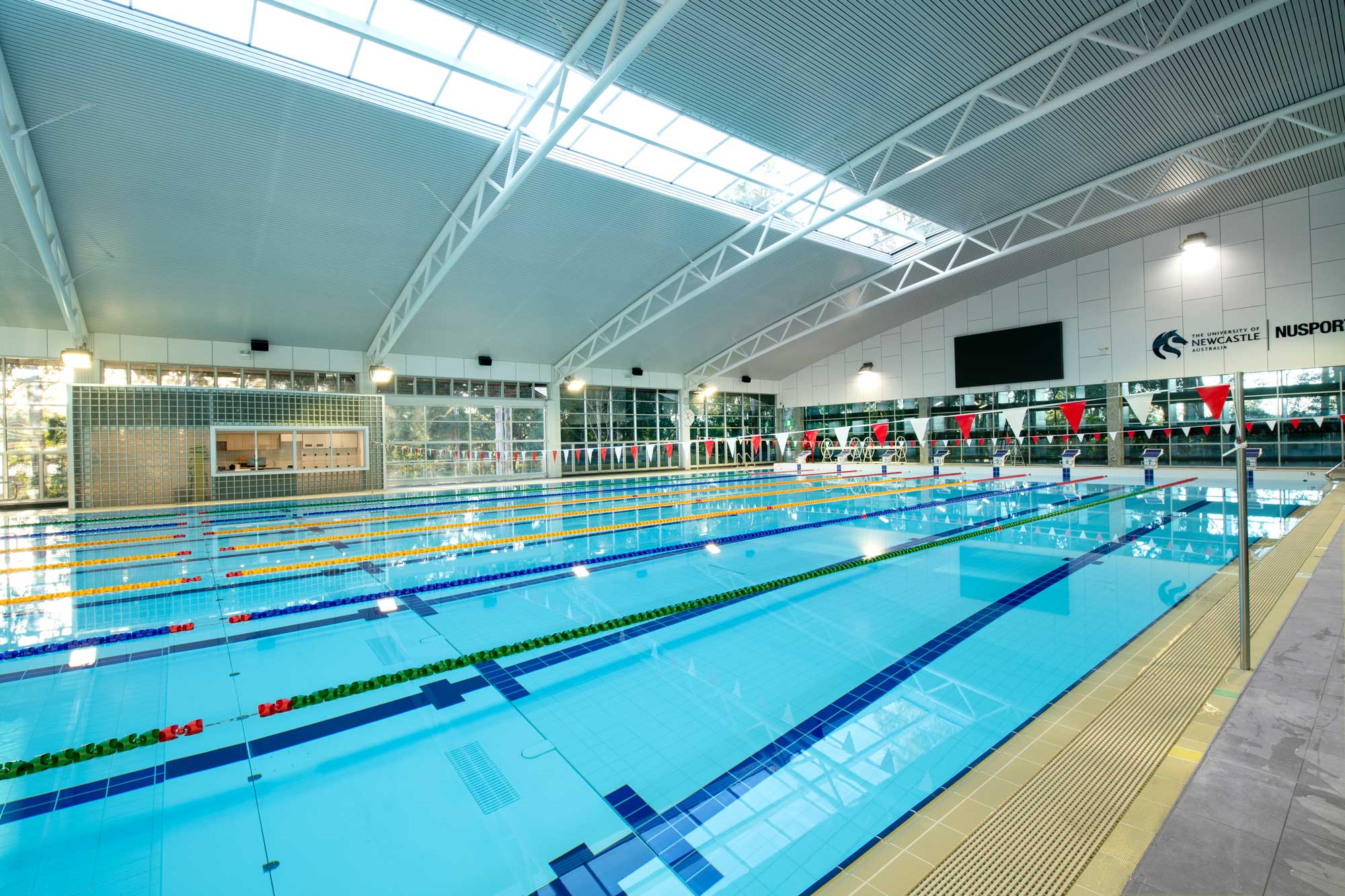
- Over 65 sports clubs, plus intramural leagues and Give It a Go taster sessions, rugby to yoga, backed by £30 million invested in world-class gyms & courts.
- The Students’ Union (NUSU), housed in its own Grade II-listed building, offers bars, cafés, shops, volunteering & RAG opportunities, live music, & film nights.
- More than 300 societies span academic disciplines (e.g., Geography, Sociology, Politics) and interests (e.g., dance, gaming, sustainability).
- A free Meet & Greet service and International Parents’ Guide support overseas students alongside a dedicated International Student Experience team.
- The Philip Robinson Library network, open 24/7 during term, provides over one million print books, 500 PCs, group study rooms, and laptop loans.
- Wellbeing support encompasses the Student Advice Centre (academic, financial, housing, personal guidance), Nightline confidential listening service, and counseling.
- Living costs in the North East are among the lowest in the UK, with budgeting advice on accommodation, transport passes (e.g., £17/week student Metro ticket)
Now, discover the well-known alumni who once walked the same campus paths at Newcastle University.
Notable Alumni of the Newcastle University
With over 250,000 alumni worldwide, Newcastle University has shaped influential voices in music, economics, diplomacy, and public service. Its global alumni network reflects a legacy of leadership across disciplines, from Nobel laureates to heads of state and cultural icons.
Here are some of the most notable alumni from the University.
| Name | Field of Work | Contribution |
| Rowan Atkinson | Acting & Comedy | Best known for iconic roles in Mr. Bean and Blackadder, Atkinson is a globally recognized actor and comedian. |
| Peter Straughan | Screenwriting | Awarded the Oscar for Best Adapted Screenplay for Conclave at the 97th Academy Awards in 2025. |
| George Clarke | Architecture & Television | Architect and TV presenter known for George Clarke’s Amazing Spaces and advocacy for sustainable housing. |
| Professor Sir John Burn | Clinical Genetics | Pioneered clinical genetics in the UK, led the Institute of Genetic Medicine, and was knighted in 2010. |
| Dianne Nelmes | Television Production | Instrumental in creating This Morning and Loose Women, revolutionizing daytime TV in the UK. |
| Alison & Peter Smithson | Architecture | Pioneers of the Brutalist movement in architecture, influencing modern urban design. |
| Nicola Curtin | Cancer Research | Co-developer of Rubraca, a drug for ovarian cancer, and donated her share of royalties to charity. |
| Ian Fells | Energy & Engineering | Renowned energy expert, advisor to the EU and UK government, and founder of Penultimate Power. |
Now compare Newcastle University with the University of Birmingham and the University of Manchester to see which one best fits your goals.
Newcastle University V/S University of Birmingham V/S University of Manchester: Which is Better?
Newcastle University ranking is ranked #137 among the top public universities in the UK. However, it still remains lower than the University of Manchester, as it ranks #35 in the QS world ranking.
The Tuition fees for graduate programs are much lower than those of the University of Manchester and the University of Birmingham.
Here is a brief comparison of universities:
| Parameter | Newcastle University | University of Manchester | University of Birmingham |
| QS Rankings 2026 | 137 | 35 | 76 |
| Tuition Fees | £15,000 (INR 17.49L) to £25,000 (INR 29.16L) | £9K to £37K (INR 10.58L to 43.48L) | £24,470 to £29,560 (INR 28.74L to INR 34.71L) |
| No. of Programs | 485+ | 700+ | 300+ |
| Popular Programs |
MS in Mechanical Engineering
Masters of Arts
Bachelors of Arts
Bachelors of Finance |
MBA
Masters of Commerce
Bachelors in Business
Bachelors of Arts |
Master in Business Analytics
MS in Finance
MS in Computer Science
Bachelors of Arts
|
| Scholarships |
Vice-Chancellor’s Excellence Scholarships
Business Excellence Scholarship |
Global Futures Scholarship
GREAT Scholarship |
125th Anniversary Scholarship
Global Masters Scholarship |
| Placement Rate | 95% | 94% | 86% |
| Average Salary After Graduation | £37K (INR 43.48L) | £40K (INR 47.00L) | £34,037 (INR 40.00L) |
| PSW | Available for up to 24 months | Available for up to 24 months | Available for up to 24 months |
Newcastle offers specialized programs and strong post-graduation prospects, with a focus on leadership and career development.
Frequently Asked Questions
Does Newcastle University support international students with visa and immigration processes?
Yes, Newcastle University's Visa Support Team provides dedicated assistance to international students. They offer individual appointments, group sessions, and guidance on UK visa issues, including applying for a student visa, obtaining a Confirmation of Acceptance for Studies (CAS), and understanding immigration responsibilities.
How does Newcastle University’s grading system work for international students?
Newcastle University employs a standardized grading system for all students. For undergraduate degrees, classifications are as follows: First Class (70–100), Second Class, First Division (2:1) (60–69), Second Class, Second Division (2:2) (50–59), Third Class (40–49), and Fail (0–39). Postgraduate taught programs are classified as Pass, Pass with Merit, or Pass with Distinction.
What career support services does Newcastle University offer to help students find jobs after graduation?
Newcastle University's Careers Service provides comprehensive support to students and recent graduates. Services include one-to-one advice, workshops, online resources, networking events, and access to platforms like GoinGlobal and Lockin China for international job opportunities.
Are there any notable research projects or centers at Newcastle University?
Yes, Newcastle University hosts several Centres of Research Excellence (NUCoREs) focusing on areas such as aging and health, data, cities, energy and sustainability, and culture and creative arts. Notable research initiatives include the Centre for Researching Cities, which addresses urban challenges through interdisciplinary research.
Is there a possibility of deferring the start of my course until the next academic year?
Yes, Newcastle University allows students to request deferred entry. You can apply for deferred entry while still in school or after submitting your UCAS application. The request is assessed on an individual basis, and you may need to provide supporting documents.
What are the key advantages of studying at Newcastle University compared to other UK universities?
Newcastle University offers several advantages, including its status as a founding member of the Russell Group, indicating high academic standards and research excellence. The university is ranked among the top 140 globally (QS World University Rankings 2026) and is located in one of the most affordable and student-friendly cities in the UK.
How does Newcastle University support students in building a professional network during their studies?
Newcastle University offers various networking opportunities, including annual sector-specific fairs and events through its Learning Partnerships. These events help students connect with industry professionals and explore career options.
What are the opportunities for study abroad or exchange programs at Newcastle University?
Newcastle University has student exchange agreements with over 240 universities worldwide. Students can apply to study at partner institutions for a semester or full academic year, earning credits that count towards their degree.
How does Newcastle University support students looking to start their own business?
The university's START UP team provides one-to-one advice, workshops, and coaching for students and recent graduates interested in starting a business or freelance career. They offer support at every stage, from pre-idea to launch and beyond.
Does Newcastle University offer any joint-degree or dual-degree programs with other institutions?
Yes, Newcastle University offers joint degree programs in collaboration with the Singapore Institute of Technology (SIT). These programs include disciplines such as Electrical Power Engineering, Mechanical Design and Manufacturing Engineering, and Naval Architecture and Marine Engineering.
Can I apply to Newcastle directly, or do I need to apply through UCAS for all undergraduate programs?
For most undergraduate programs, applications must be submitted through the Universities and Colleges Admissions Service (UCAS). However, during Clearing, applicants can apply directly to Newcastle University if they haven't received any university offers or wish to change their course.
About University
Newcastle upon Tyne NE1 7RU, United Kingdom
Founded in 1834


upGrad’s Accelerated Pathway Program
Low Cost
Enroll and save up to INR 60 lakh on study abroad courses
Post Study Work Visa
Eligible for up to 24 months of PSWP/36 months of OPT visa across countries like the USA, UK, Germany, Canada and more
Get 4x ROI
Explore attractive career opportunities & better ROI across robust global economies
Explore Accelerated Pathway Programs

MBA at Northeastern University
DAmore McKim School of Business Northeastern University
- Online : 11 Months
- On-campus : 1 Year 6 Months
- Online : INR 5,25,000
- On-campus: USD 83,536
DURATION
Fees
Know More
MBA 90 ECTS at ISM Germany
International School of Management
- Online : 7 Months
- On-campus : 1 Year
- Online : INR 4,50,000
- On-campus: Euro 16,620 (including thesis)
DURATION
Fees
Know More

MBA at Clark University
Clark University
- Online : 7 Months
- On-campus : 1 Year
- Online : INR 4,50,000
- On-campus: USD 23,280
DURATION
Fees
Know More
Popular CoursesView All
Computer Science MComp Honours (G405)
Newcastle upon Tyne, UKCourse duration : 4 Years
Course Fee
INR 25.59L/yrExam Accepted
NAIntake Session
SEP 2025
View details
Pharmacy MPharm Honours (B230)
Newcastle upon Tyne, UKCourse duration : 4 Years
Course Fee
INR 24.34L/yrExam Accepted
NAIntake Session
SEP 2025
View details
Dietetics MDiet Honours (B401)
Newcastle upon Tyne, UKCourse duration : 4 Years
Course Fee
INR 24.94L/yrExam Accepted
NAIntake Session
SEP 2025
View details
Amenities Included
- Accommodation
- Alumni Associations
- I.T. Infrastructure
Alumni
More About Newcastle University
Notable alumni include the following:
- Actress-comedian Sheryl Underwood.
- Computer systems engineer Curtis J. Crawford.
- Ex-U.S. A representative for the 11th Congressional District of Illinois, Debbie Halvorson.
Address of Governors State University
1 University Pkwy, University Park, IL 60484, USA.
Public/Private Status
Governors State University is a public educational institution.
QS World University Rankings and other rankings
As per US News & World Report, the governor's state university is ranked 480th place worldwide in UG Business. As per the US News & World Report, the governor's state university is ranked at 117th in the Regional Universities Midwest.
Top Offered Courses at Governors State University
The top courses at the institution include business administration and management, criminal justice, elementary education, liberal arts and sciences, teaching, and psychology. The Governors State University fees vary across courses. On average, UG students can expect to pay roughly $769 (INR 57 800) per credit hour as their fees.
Required Exams for Governors State University
- SAT/ACT.
- GRE/GMAT.
- IELTS- Minimum 6.0 (Academic).
- TOEFL iBT- Minimum 80.
- TOEFL CBT- Minimum 213.
- TOEFL PBT- Minimum 550.
- PTE- Minimum 53.
These examinations are part of the Governors State University requirements for admissions.
Governors State University Admissions
There are multiple requirements for admission, including the following:
- Bachelor's degree from an accredited institution for Master's applicants.
- Official academic transcripts of the entire educational journey.
- Non-refundable application fees. (USD 25 for undergraduate programs, USD 50 for Master's programs, USD 75 for doctoral programs).
- Evaluation of transcripts by any NACES (National Association of Credential Evaluation Services) member for international applicants.
- SAT/ACT scores for Freshmen applications.
- Official high school or GED transcript for Freshmen.
- Minimum of 2.75 (unweighted) GPA in high school on a scale of four points.
- Scores in English language proficiency tests (TOEFL and IELTS scores). IELTS score of a minimum of six is applicable for admission. For undergraduate programs, the TOEFL score for computer-based and IBT is 173 and 68, respectively. For Master's programs, the TOEFL score for computer-based and IBT is 233 and 91, respectively.
Available Scholarships at Governors State University
- GSU Study Abroad Scholarship (Multiple awards/grants up to $750 or INR 56,319).
- Fund for Education Abroad ($1,250-5,000 (INR 93,900-3,76,000) for semester/short-term and $10,000 (INR 7.5 lakh) for a year).
- Critical Language Scholarship (Multiple scholarships up to $8,000 (INR 6 lakh) for one year).
- Gilman Scholarship (Multiple scholarships up to $5,000 (INR 3.75 lakh) for recipients of the Federal Pell Grant).
- Freeman-Asia Awards (Awards between $3,000-7,000 (INR 2.25 lakh to INR 5.25 lakh) depending on the duration of the stay).
- Boren Awards ($8,000-20,000 (INR 6 lakh to INR 15 lakh), based on the length of the stay).
About Placements at Governors State University
Governors State University has its own Career Services Office for helping students build rewarding future careers ahead. Students get help with the identification of their talents and interests along with their professional tasks en route towards achieving career success. Students also get assistance throughout the entire job searching procedure, building their resumes and also identification of helpful internships while honing their interview skills simultaneously.
Top UK Universities
University Name |
Acceptance Rate |
Ranking |
University Type |
43.00% |
1200 |
Public |
|
84.00% |
801 |
Public |
|
50% |
570 |
Public |
|
75% |
550 |
Public |
|
10%-20% |
179 |
Public |
|
54% |
465 |
Public |
|
65.00% |
305 |
Public |
|
25.00% |
1201-1500 |
Public |
|
70.00% |
801-1000 |
Public |
|
14.00% |
425 |
Public |
|
87.00% |
122 |
Public |
|
18.69% |
146 |
Public |
|
60.00% |
281 |
Public |
|
41.00% |
92 |
Public |
|
67.90% |
400 |
Public |
|
68% |
256 |
Public |
|
84% |
78 |
Public |
|
92.00% |
240 |
Public |
|
27.00% |
101-150 |
Public |
|
36.00% |
354 |
Private |
|
78.00% |
205 |
Public |
|
81.00% |
650 |
Public |
|
80.00% |
801-1000 |
Public |
|
64.00% |
1200 |
Public |
|
50% |
1000 |
Public |
|
78% |
13 |
Public |
|
25% |
97 |
Public |
|
85% |
375 |
Public |
|
4.80% |
1000 |
Public |
|
20.00% |
510 |
Public |
...Read More
Explore Your Options
Other Universities
Calculators
Masters Courses
Bachelors Courses
- Home
- Study Abroad
- Study in United Kingdom
- Universities in UK
- Newcastle University: Rankings, Fees, Courses & Admissions
Disclaimer
Read our full disclaimer for important information here