Digital Marketing for Startups
By upGrad
Updated on Sep 23, 2026 | 7 min read | 2.22K+ views
Share:

All courses
Certifications
More
By upGrad
Updated on Sep 23, 2026 | 7 min read | 2.22K+ views
Share:
Table of Contents
Digital marketing for startups is centred on fast, cost-efficient growth by targeting the right audience through SEO, content marketing, social media, and paid ads. The goal is to build awareness, drive leads, and validate the business model. In 2026, key approaches include AI-powered campaigns, founder-led content, and micro-influencer collaborations to stretch limited budgets.
This blog breaks down the most effective digital marketing strategies for startups. You'll learn how to choose the right channels, build an audience, generate traffic, improve conversions, and avoid common mistakes that waste time and money.
Explore upGrad’s Marketing programs to build practical skills in marketing strategy, campaign execution, analytics, and business decision-making, so you can create data-driven campaigns that deliver measurable growth for startups and modern businesses.
Most startups begin with limited resources, small teams, tight budgets, and aggressive targets. Traditional advertising usually burns cash quickly. Digital channels give startups more control. You can test campaigns, track user behaviour, improve performance, and scale faster without committing massive budgets upfront.
A great product will mean nothing if nobody sees it. Digital marketing helps startups:
Many founders make the same mistake of focusing only on product development for months and delaying marketing until launch day. By then, they’re already behind.
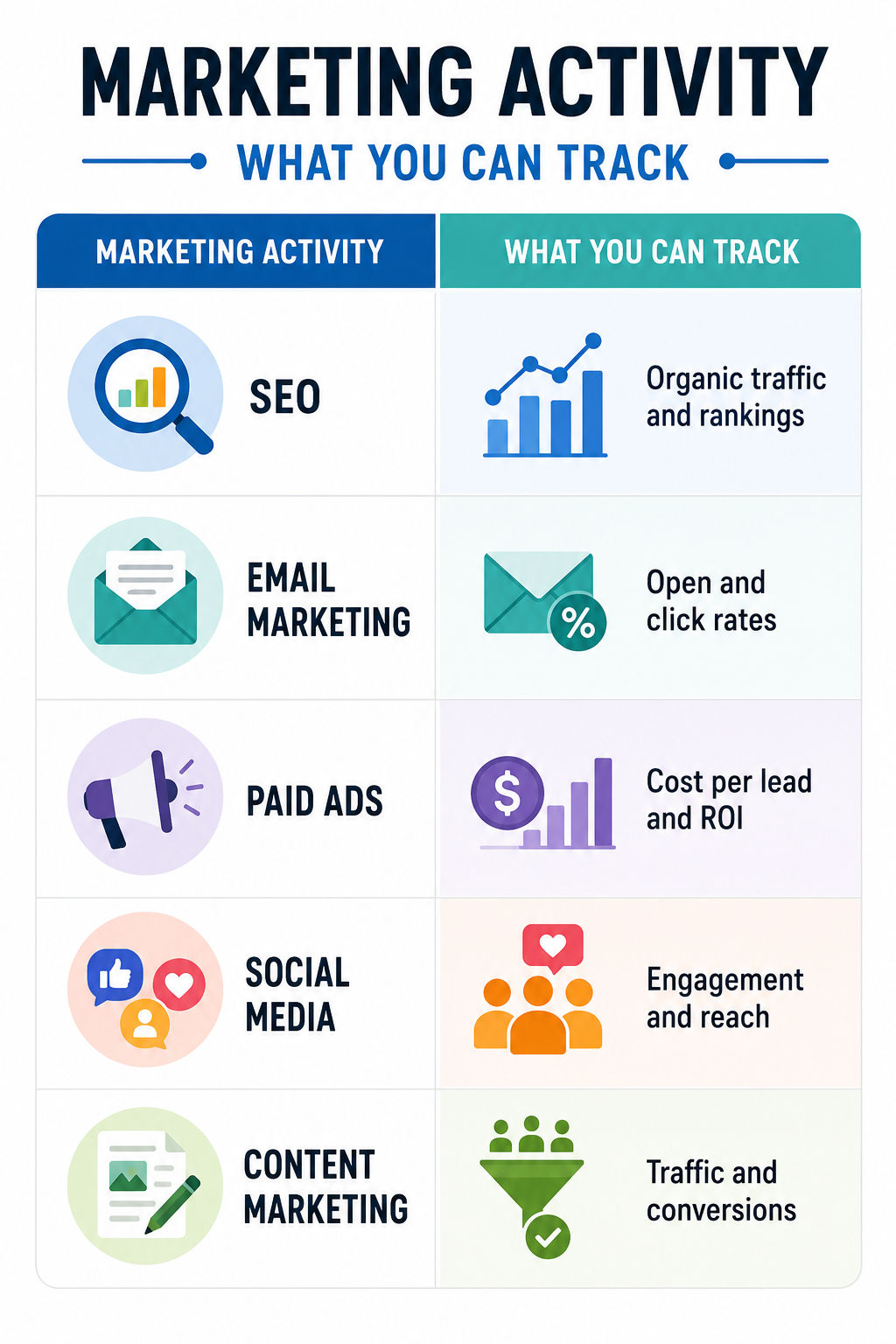
One major advantage of digital marketing for startups is data tracking. That visibility helps startups make faster decisions. Bad campaigns can be stopped early and winning campaigns can be scaled immediately.
You can measure:
People rarely buy from unknown brands instantly. They research first.
A startup with strong content, active social channels, positive reviews, and educational resources looks more credible. Even a simple blog can improve trust dramatically when it answers real customer questions clearly and honestly. Trust is built that way.
Smart targeting beats large budgets in many cases. A startup focused on one niche audience often performs better than a large company trying to speak to everyone at once. Digital marketing allows startups to:
That flexibility matters a lot for the startups.
Free Courses
Not every channel works for every startup. Many founders spread themselves too thin by trying to dominate every platform at once. The smarter approach is choosing a few high-impact channels and executing them well.
SEO is one of the strongest long-term investments for startups. When people search for solutions online, your website should appear where decisions happen. Organic traffic also reduces dependency on paid ads over time. Even small wins matter here. One high-ranking article can bring leads for years.
Strong startup SEO includes:
Content builds authority before sales conversations begin. A startup blog can attract traffic, answer customer questions, and educate potential buyers without hard selling. Good content also supports SEO and social media growth. Short form content works, and not every piece needs 3,000 words.
Useful content formats include:
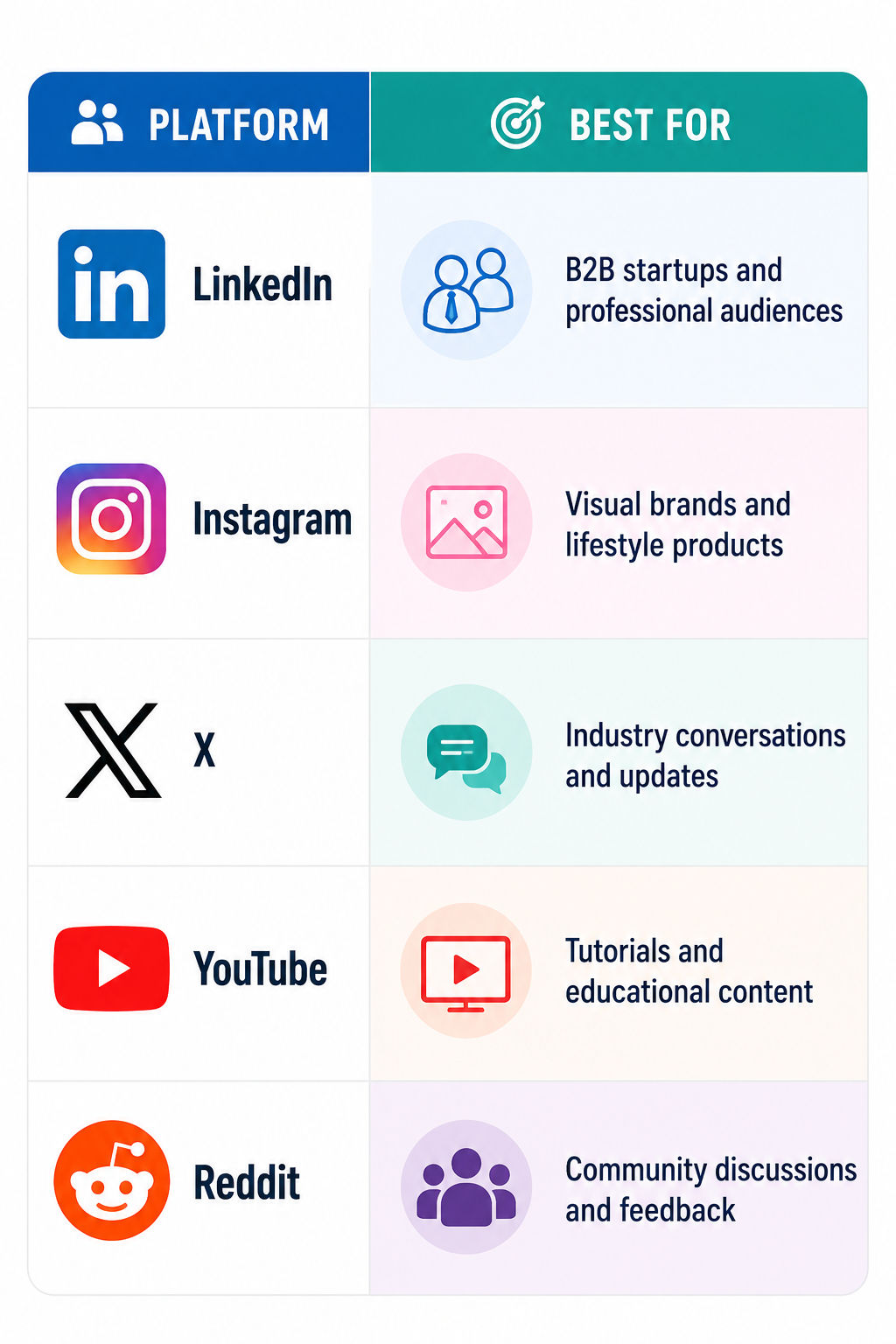
Social media helps startups stay visible and relatable. Don't chase vanity metrics only. A smaller engaged audience beats random viral traffic that never converts.
Different platforms serve different purposes:
Email still delivers a strong ROI. Why? Because you own the audience. Algorithms change constantly on social platforms. Email lists stay with your business. Simple emails often perform best. Fancy templates don't guarantee engagement. Startups can use email marketing to:
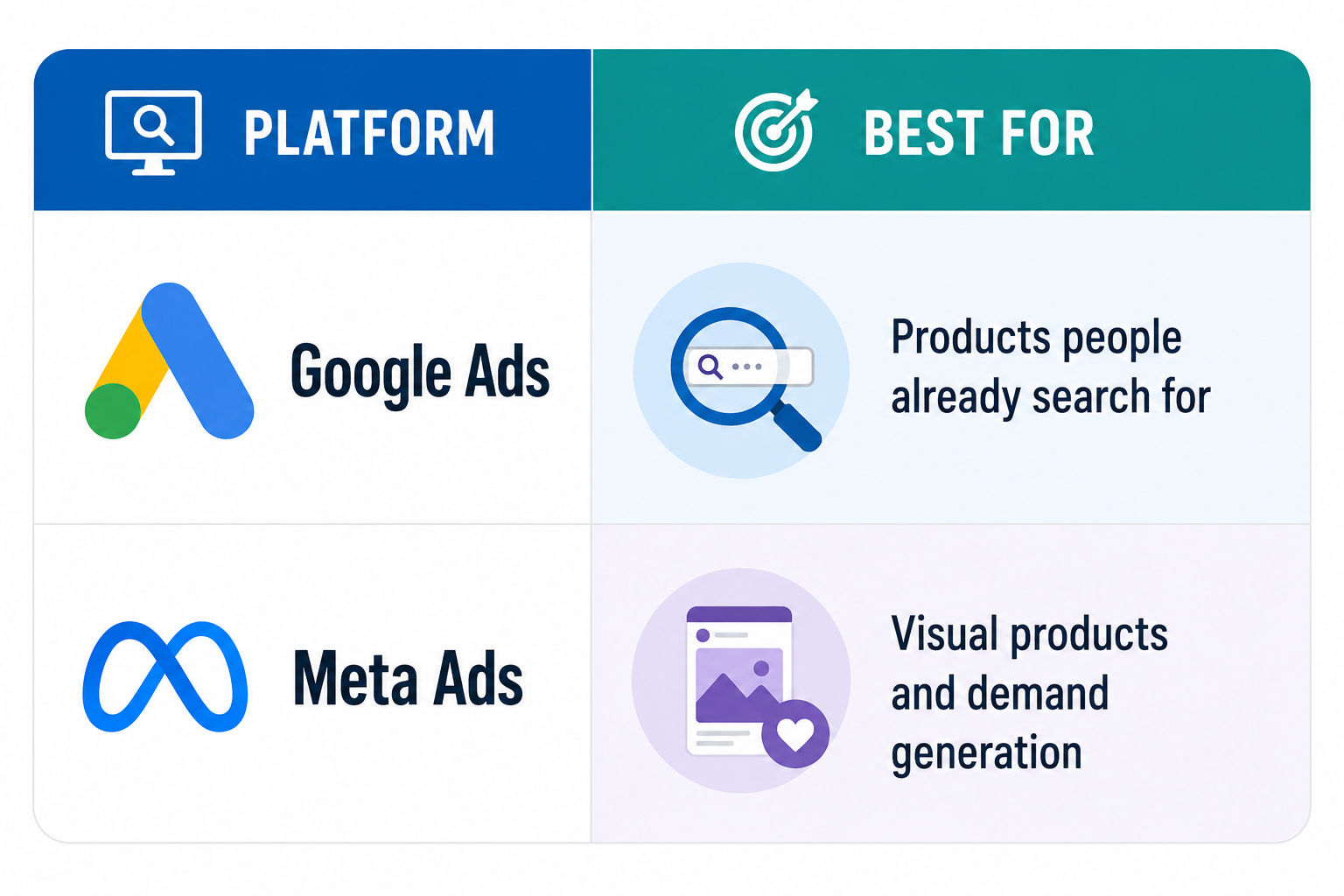
Paid ads can drive fast results when done properly. Platforms like Google Ads and Meta Ads allow startups to target specific audiences based on interests, demographics, and search intent.
Still, startups must stay cautious.
Poor targeting burns money quickly. Start small, test aggressively, and scale only what converts consistently.
Must Read: What is Digital Marketing?
Digital Marketing Courses to upskill
Explore Digital Marketing Courses for Career Progression
MICA Executive Alumni Status
A startup needs a focused strategy that connects business goals with customer behaviour. Without that alignment, campaigns become scattered and expensive.
Don't say "anyone who wants our product." That's not an audience, it's a wish. A useful audience definition includes:
That last point matters for SEO and ad copy.
"Get more customers" is not a goal. "Acquire 200 free trial sign-ups in 90 days at under ₹300 cost per acquisition" is a goal. You need a number, a timeframe, and a benchmark.
Short-form video is hot right now. That doesn't mean it's right for a B2B SaaS startup selling to CFOs. Match the channel to where your buyer actually is.
Questions to ask before picking a channel:
Don't plan for a year. Startups change too fast. Build a 90-day plan with clear weekly outputs. Two blog posts, one email, one paid campaign and review it monthly.
Set up Google Analytics 4, connect to your CRM, and define your funnel before you spend a rupee. You can't optimise what you haven't measured.
Do Read: Digital Marketing Eligibility: Who Can Apply and What You Need to Know
SEO helps startups get traffic without paying for every click. Results take time, but early effort compounds fast.
| Keyword Type | Example |
| Broad | “marketing software” |
| Long-tail | “marketing software for freelance agencies” |
Must Read: Digital Marketing Placements: Start Your Career the Right Way
Subscribe to upGrad's Newsletter
Join thousands of learners who receive useful tips
Paid ads can drive fast growth. They can also waste money quickly if your landing page and messaging aren’t ready. Start by running ads only after you know your website converts visitors into leads or customers.
Do read: Digital Marketing Resume: Complete Guide
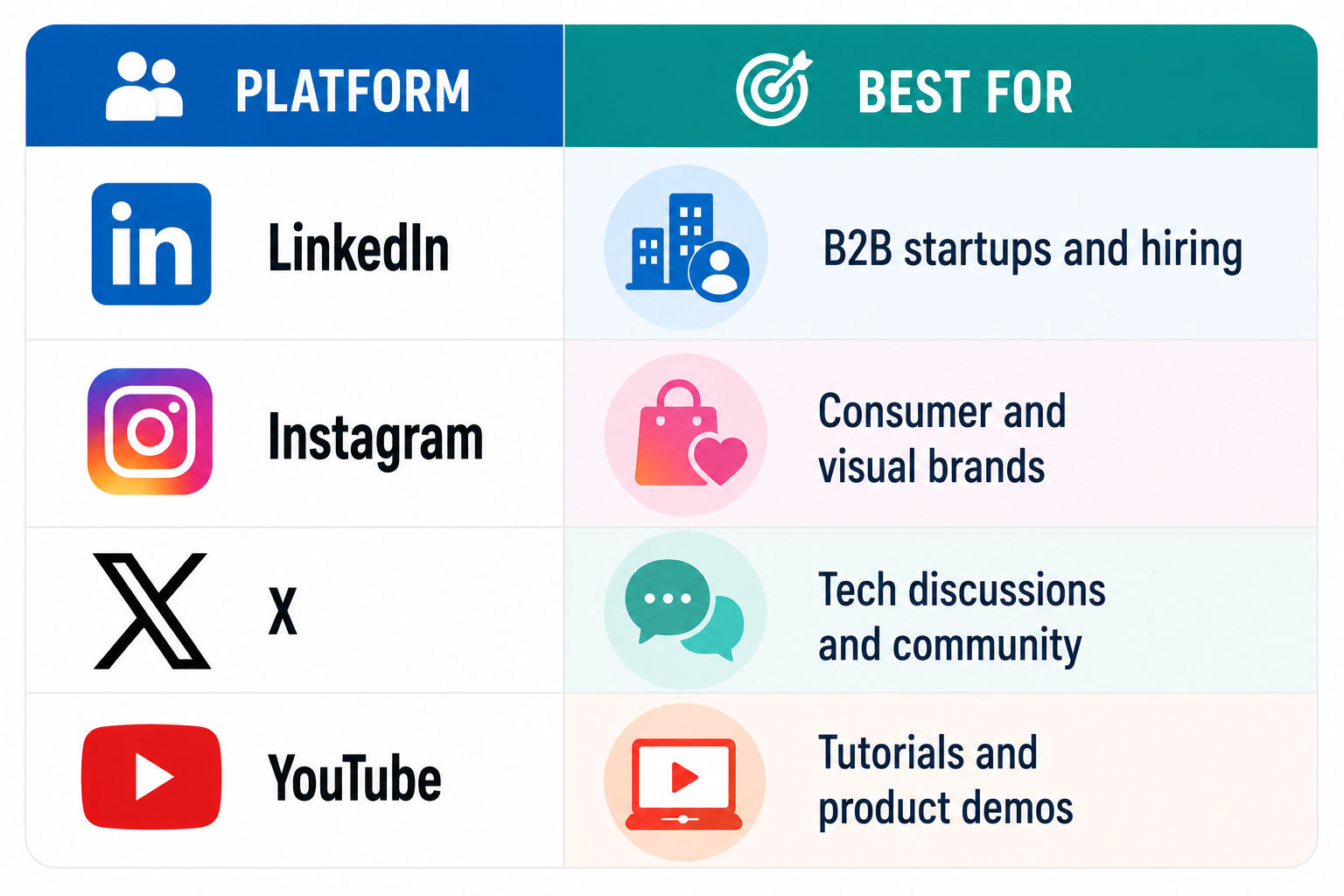
Content builds trust, and social media keeps your startup visible. The goal isn’t to post constantly. It’s to answer customer questions clearly and consistently.
Also Read: Digital Marketing Types: Top 12 Digital Marketing Types You Should Know
Email remains one of the highest ROI channels for startups. Unlike social platforms, your email list is an audience you own.
Must Read: How To Boost Your Career With Digital Marketing Certification?
Marketing without tracking becomes guesswork fast. Set up tools like Google Analytics and Google Search Console early so you can measure what’s working.
Do Read: Top 10 Digital Marketing Certifications To Enhance Your Skills in 2026
Budget is the reality check every startup faces. Here's how to think about allocation at different stages.
The principle is the same at every budget level: learn before you scale. Don't spend money faster than you're learning from it.
Also Read: What is MBA in Digital Marketing? Scope, Career option and Salary
Many startups don't fail from lack of effort. They fail due to scattered execution. Avoiding basic mistakes can save enormous amounts of time and budget.
Do read: Digital Marketing for Dentists: Complete Guide for 2026
Digital marketing for startups isn't about chasing every trend or posting endlessly online. It's about building consistent systems that attract the right audience, create trust, and turn attention into revenue.
The strongest startups stay focused. They understand their audience deeply, choose the right channels carefully, and improve continuously using real data instead of assumptions. Growth rarely happens overnight, but disciplined execution compounds faster than most founders expect.
Ready to start your journey? Book a free consultation with upGrad today to find the best path for your career.
Different channels move at different speeds. Paid ads can start generating clicks and leads within a few days, while SEO and content marketing usually take 3 to 6 months to build momentum. Startups that publish consistently and improve campaigns regularly often see stronger long-term growth over time.
For startups with limited budgets, SEO, content marketing, and email marketing usually deliver the best long-term returns. These channels help attract organic traffic without paying for every click. A focused strategy built around useful content and audience trust performs better than spreading money across too many platforms.
SEO is better for long-term traffic growth, while paid ads are useful for faster testing and lead generation. Most startups should begin with SEO and content first, then add paid campaigns after validating messaging and improving conversion rates on landing pages and core website pages.
Marketing budgets vary based on industry, competition, and growth goals. Early-stage startups often begin with smaller investments focused on SEO, content, and email tools. As customer acquisition becomes more predictable, startups can gradually increase spending on paid ads, retargeting campaigns, and conversion optimisation activities.
Many startups try to market on every platform at once, publish weak content, ignore SEO, or scale paid ads before testing messaging properly. Another common mistake is focusing on vanity metrics like impressions instead of tracking conversions, customer acquisition cost, and actual business growth metrics.
The best platform depends on the startup’s audience and product type. LinkedIn usually works well for B2B startups, while Instagram performs better for visual consumer brands. YouTube is effective for tutorials and product demos, and X helps tech startups build visibility through industry conversations and community engagement.
Startups can generate leads through educational blog content, SEO, email newsletters, webinars, downloadable resources, and waitlists. Helpful content attracts visitors organically and builds trust over time. Many startups also use free templates, guides, and checklists to convert website visitors into qualified email subscribers.
Yes, content marketing remains highly effective because customers still research products before making decisions. Useful articles, tutorials, comparison pages, and founder-led insights help startups build authority and improve search rankings. Strong content also supports social media growth, lead generation, and customer trust simultaneously.
Startups should track metrics tied directly to business performance. Important numbers include traffic sources, conversion rates, customer acquisition cost (CAC), customer lifetime value (LTV), bounce rates, and email engagement. Tracking these metrics regularly helps startups understand what channels and campaigns are producing actual growth.
Email marketing helps startups build a direct relationship with their audience without depending on social media algorithms. It supports lead nurturing, product updates, repeat purchases, and customer retention. Email also remains one of the highest ROI digital marketing channels across both B2B and B2C industries.
Yes, many startups handle marketing internally during the early stages. Small teams often manage SEO, content creation, social media, and email campaigns using affordable tools and automation platforms. Agencies become more useful later when startups need advanced paid advertising, technical SEO, or large-scale campaign management.
987 articles published
We are an online education platform providing industry-relevant programs for professionals, designed and delivered in collaboration with world-class faculty and businesses. Merging the latest technolo...
Get Free Consultation
By submitting, I accept the T&C and
Privacy Policy
Level Up Your Digital Marketing Career Today!
Top Resources
MICA
Advanced Certificate in AI-Powered Digital Marketing & Communication from MICAMICA Executive Alumni Status
Certification
5 Specialisation
Classroom
4 Months
Certification
2 Months