How to Optimise Landing Pages for Better Conversions
By upGrad
Updated on May 11, 2026 | 8 min read | 2.17K+ views
Share:

All courses
Certifications
More
By upGrad
Updated on May 11, 2026 | 8 min read | 2.17K+ views
Share:
Table of Contents
Landing page optimization (LPO) focuses on enhancing elements like copy, design, forms, and calls-to-action through data-driven testing to boost conversions and improve marketing ROI. Effective strategies include simplifying navigation, improving load speed, using benefit-driven headlines, incorporating social proof, and running A/B tests to refine user experience.
This blog breaks down exactly how to optimise landing pages using practical strategies that beginners can apply without technical confusion. You'll learn how landing page structure, copy, design, speed, testing, and tools affect conversions, along with mistakes that quietly hurt results.
Explore upGrad’s Marketing programs to learn how to optimise landing pages, improve conversion rates, build practical skills in audience targeting and campaign optimization, and make smarter data-driven marketing decisions with confidence.
Optimising a landing page means removing every obstacle between your visitor and the action you want them to take. Paid ads, email campaigns, SEO, and social media all bring visitors to a landing page. But if the page doesn't match user intent, people leave fast. A slow page, weak headline, or confusing layout can reduce conversions immediately, even when traffic quality is high.
That's why smart marketers optimise their landing pages before increasing ad budgets.
Landing page optimization focuses on improving specific elements that affect user decisions. The goal is simple. Get more visitors to take action, and that action could include:
Here's what the optimisation process actually covers:
Area |
What It Means |
Why It Matters |
| Message clarity | Does the headline match what the ad or link promised? | Keeps visitors engaged and reduces bounce rates |
| Page speed | Slow pages kill conversions before a visitor even reads anything | Faster pages improve user experience and conversion rates |
| Visual hierarchy | Is it obvious what to do next? | Helps guide users toward the desired action |
| Trust signals | Are there reviews, logos, or guarantees that reduce hesitation? | Builds credibility and increases confidence |
| Form friction | Are you asking for too much information too soon? | Simpler forms increase completion rates |
| Mobile experience | Does the page work well on a phone? | Ensures usability and conversions on mobile devices |
Small changes matter. A shorter form or clearer CTA button can improve conversions more than a full redesign. Here's what optimized landing pages usually improve:
Area |
Impact on Business |
| Conversion rate | More leads from existing traffic |
| Bounce rate | Visitors stay longer |
| Ad performance | Better ROI on campaigns |
| User experience | Easier navigation and readability |
| Lead quality | Higher intent users convert |
If a landing page converts at 2% and optimization increases it to 4%, the business doubles leads without increasing traffic spend. That's massive for marketing teams working with fixed budgets.
Also Read: High Converting Landing Pages to Ace the Marketing Game
A homepage serves many audiences, but a landing page serves one. That's the key difference.
Your homepage has navigation, multiple CTAs, and content for different visitor types. A landing page strips all of that away and focuses on a single goal. That's why landing pages convert better when built right, and why optimising them is a different discipline than general web design.
Feature |
Homepage |
Landing Page |
| Goal | Many | One |
| Navigation | Full menu | None or minimal |
| Audience | Broad | Specific |
| CTA | Multiple | Single, repeated |
| Content depth | General | Targeted |
When you build a landing page with a single focus, optimisation becomes much easier to measure.
Must Read: 7 Best Lead Generation Techniques That Work in 2025
Free Courses
Every high-converting landing page shares a few core elements. Remove one, and conversion rates often drop. Ignore several, and visitors lose interest quickly.
The headline is the first thing users notice. It should explain the offer immediately without sounding vague or overloaded with marketing language. Visitors shouldn't need to scroll to understand the page. An example:
Weak headline:
"Grow Faster With Better Solutions"
Strong headline:
"Get More Leads With Landing Page Optimization"
Specific headlines convert better because users instantly understand the value.
Too many sections create confusion. A landing page should focus on one goal only. If the page promotes multiple offers, users hesitate. That hesitation usually leads to exits.
Keep these elements aligned:
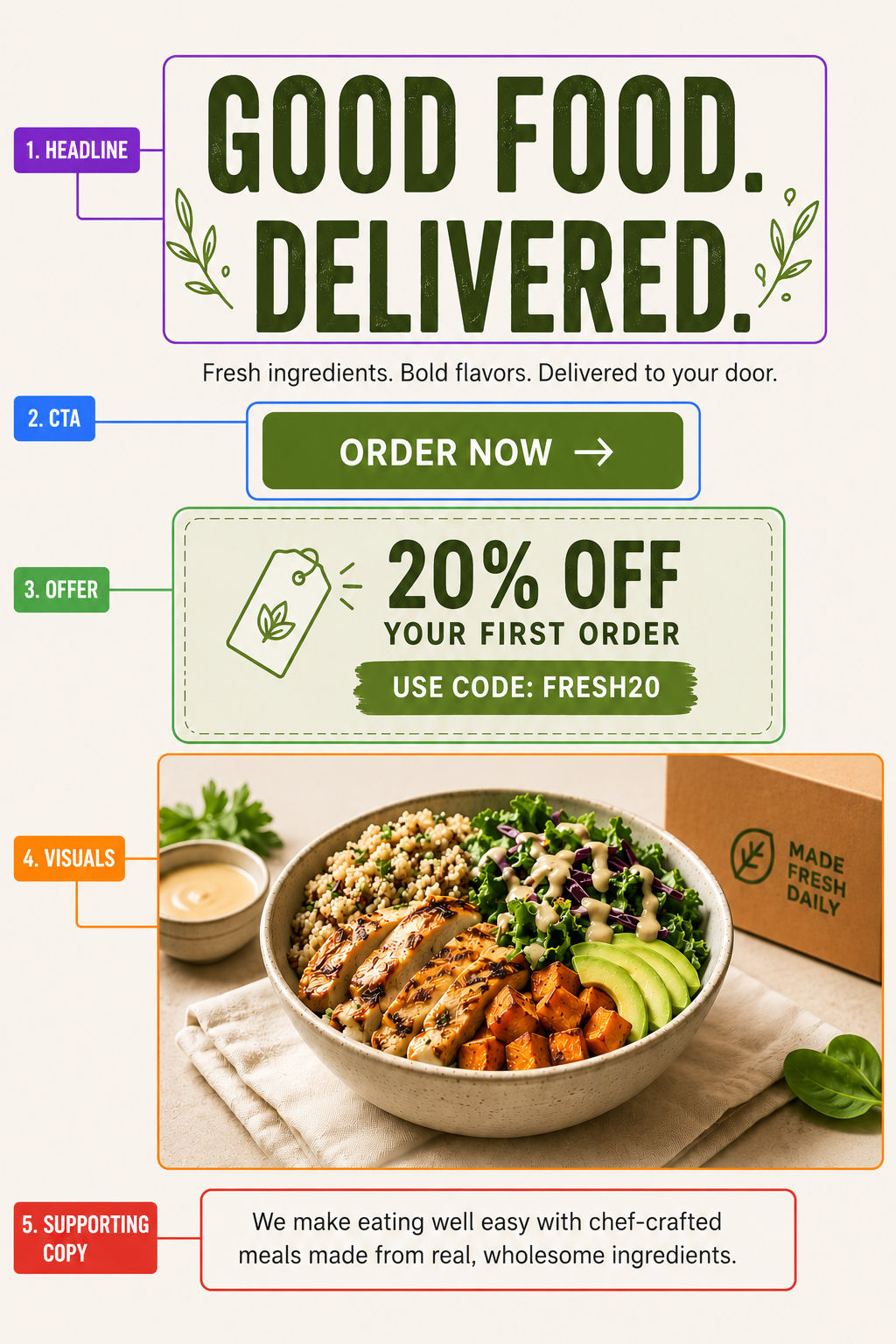
Everything should point toward one action.
CTA buttons need visibility. Don't hide them at the bottom of long pages. Place CTAs strategically throughout the page so users can act whenever they're ready.
Good CTA examples include:
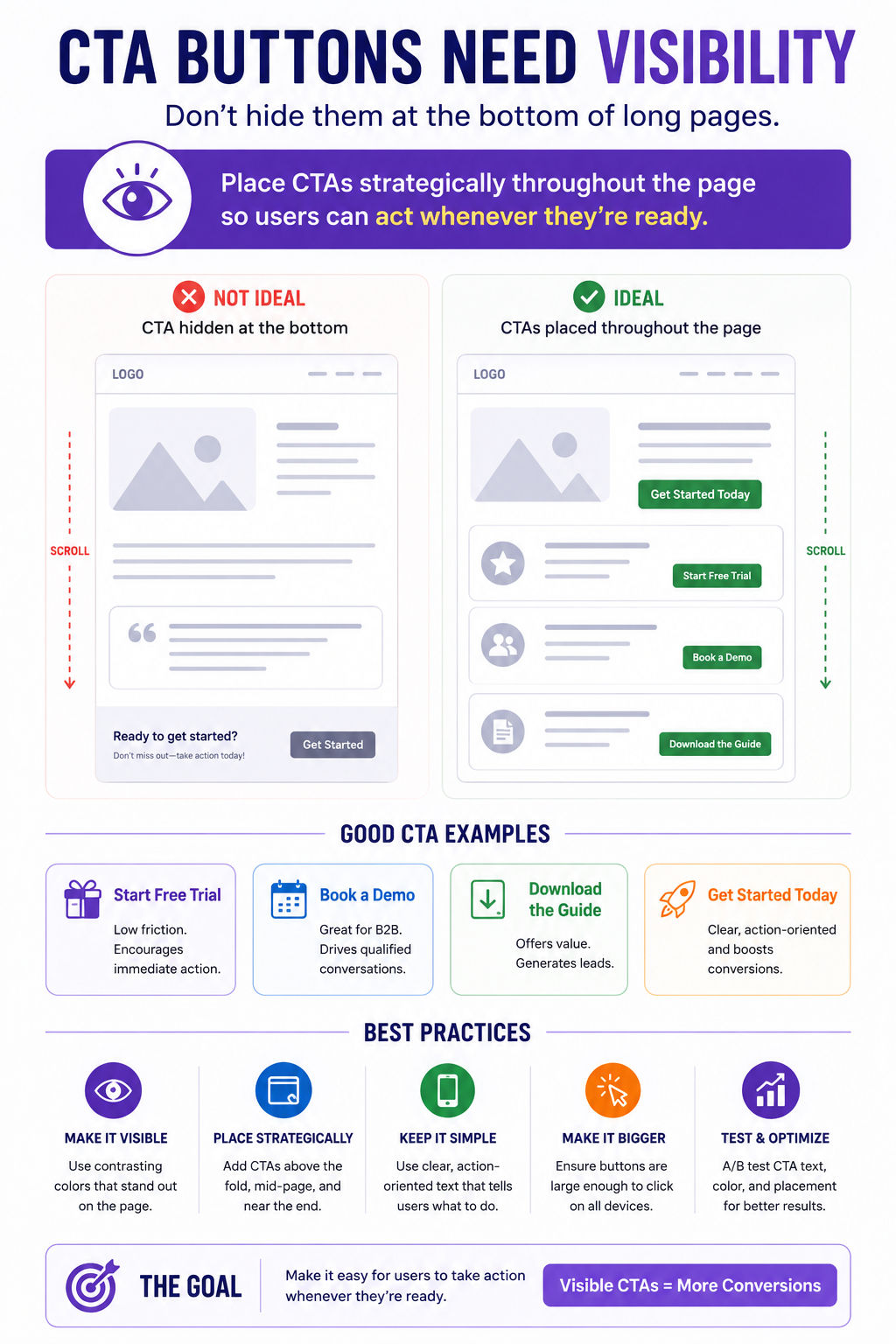
Avoid generic phrases like "Submit." They're forgettable.
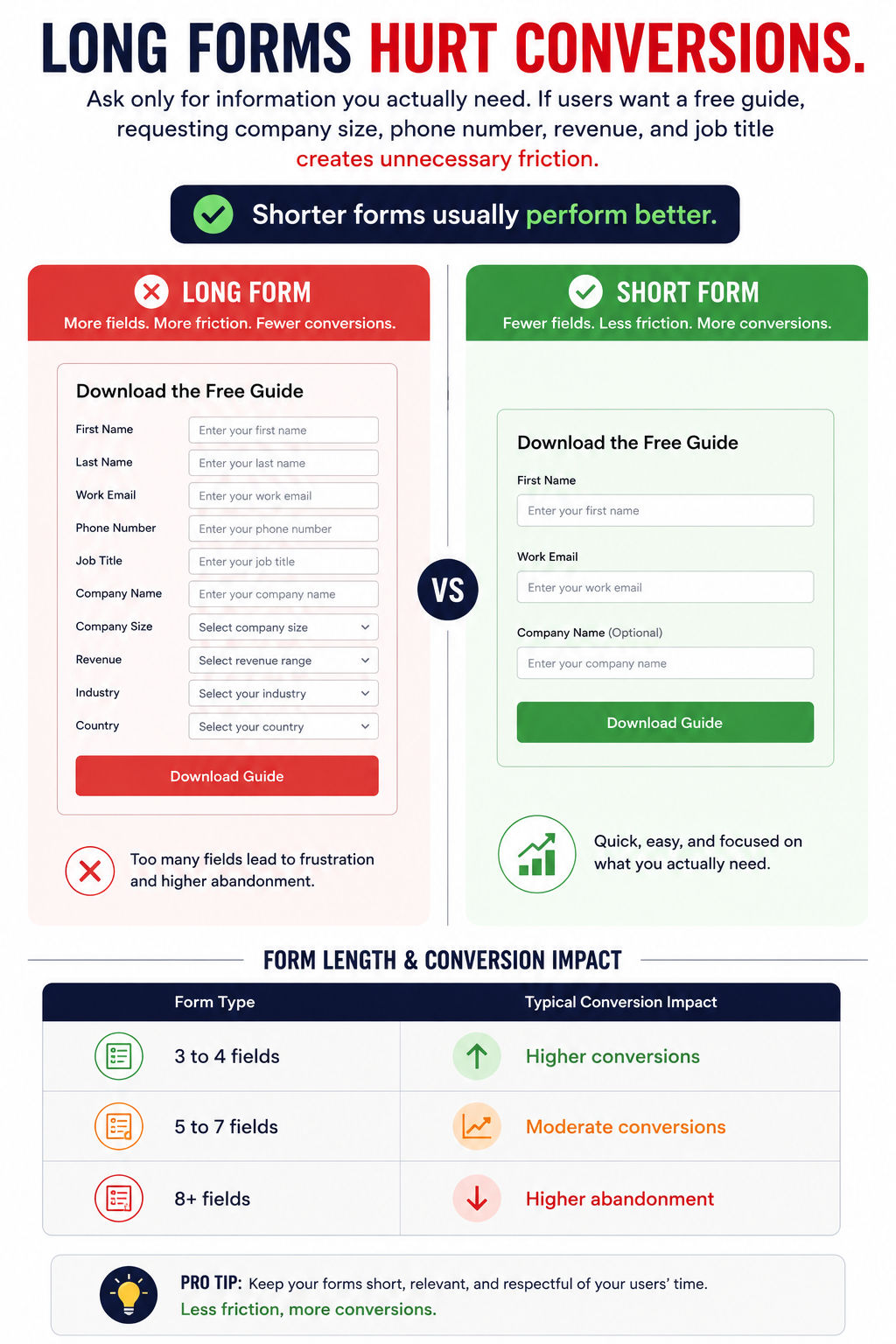
Long forms hurt conversions. Ask only for information you actually need. If users want a free guide, requesting company size, phone number, revenue, and job title creates unnecessary friction.
Shorter forms usually perform better.
Form Type |
Typical Conversion Impact |
| 3 to 4 fields | Higher conversions |
| 5 to 7 fields | Moderate conversions |
| 8+ fields | Higher abandonment |
Want better quality leads?
Progressive profiling works better than forcing users to complete large forms up front.
People trust people.
Social proof reduces uncertainty and builds confidence faster than brand claims. Even one customer quote can improve credibility.
Useful trust elements include:
Numbers help too.
For example, "Trusted by 12,000 marketers" feels more believable than broad claims about success.
Most landing page traffic now comes from mobile devices. Yet many pages still feel clunky on smaller screens.
A mobile-friendly page should have:
Tiny buttons frustrate users fast.
Many landing page optimization services now prioritize mobile-first testing because mobile conversion gaps are common across industries.
Images should support the message, not distract from it.
Use visuals that explain the product, process, or benefit clearly. Generic stock photos rarely improve performance anymore because users recognize them instantly.
Better choices include:
Do read: A Complete Guide to Crafting an Impactful Digital Marketing Strategy
Digital Marketing Courses to upskill
Explore Digital Marketing Courses for Career Progression
MICA Executive Alumni Status
The best marketers optimise landing pages through continuous testing. Instead of assuming what users prefer, they use real behavior data to improve conversions step by step.
Testing reveals surprising patterns. Sometimes a shorter headline works better. Sometimes, longer copy converts more users because visitors need additional context before making decisions. User behavior changes across industries, traffic sources, and audience types.
That's why testing matters so much.
A/B testing compares two versions of a landing page to see which performs better. Even small wording differences can change conversion rates noticeably. Change only one element at a time.
You can test:
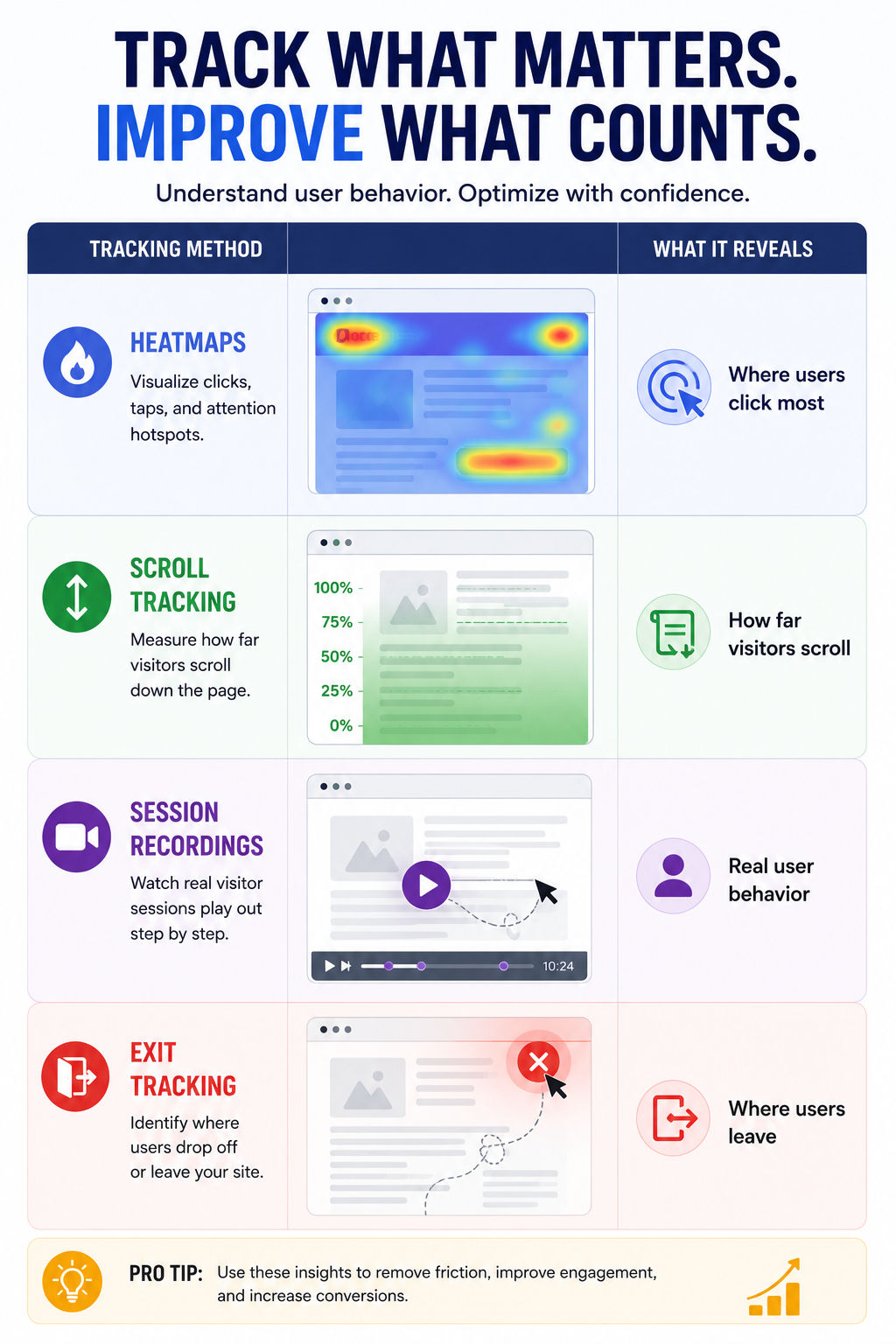
Data alone doesn’t capture the complete picture. Behavior-tracking tools provide deeper insight into how users navigate and engage with a page, making it easier to spot friction points that standard analytics dashboards often fail to reveal. This data then helps marketers identify confusing sections, ignored CTAs, or areas where visitors lose interest.
Slow pages kill conversions.
Even a one-second delay can increase bounce rates significantly. Visitors expect fast loading experiences, especially on mobile devices where patience drops quickly during browsing sessions. Fast pages feel more trustworthy.
Common speed fixes include:
A mismatch between ads and landing pages creates friction instantly. Message consistency matters a lot in landing pages.
If an ad promises "free landing page templates" but the page promotes expensive software immediately, users feel misled. That disconnect increases bounce rates. Alignment improves trust and conversions together.
The landing page should reflect the exact promise made through:
This is a common mistake many teams make. Start by changing just one element at a time. When entire landing pages are redesigned all at once, it becomes difficult to understand what actually drove improvements or caused a drop in conversions. Isolating variables leads to clearer, more reliable insights. Test, measure the results carefully, and then move on to the next experiment.
Slow testing often produces faster growth long-term because the data becomes more reliable and easier to apply across future campaigns.
Also Read: 25+ Proven SEO Strategies to Master On and Off Page SEO Techniques in 2025
The right tools make optimization easier.
You don't need expensive enterprise software to optimise landing pages effectively. Many beginner-friendly tools already provide enough data to improve conversions significantly.
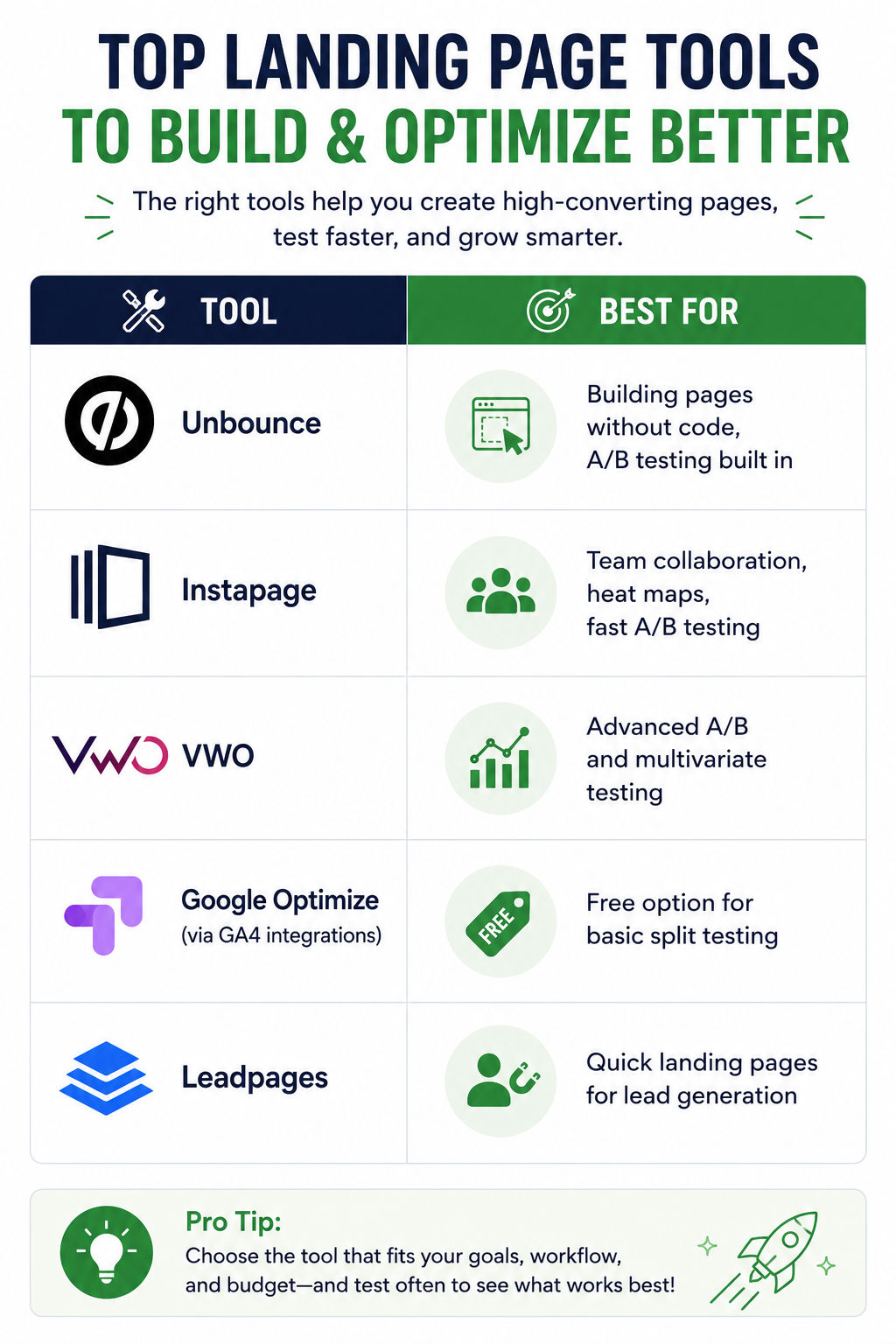
Most of these landing page optimization tools come with drag-and-drop builders, analytics dashboards, and integrations with your CRM or email platform.
Data from A/B tests tells you what happened. Behaviour tools tell you why.
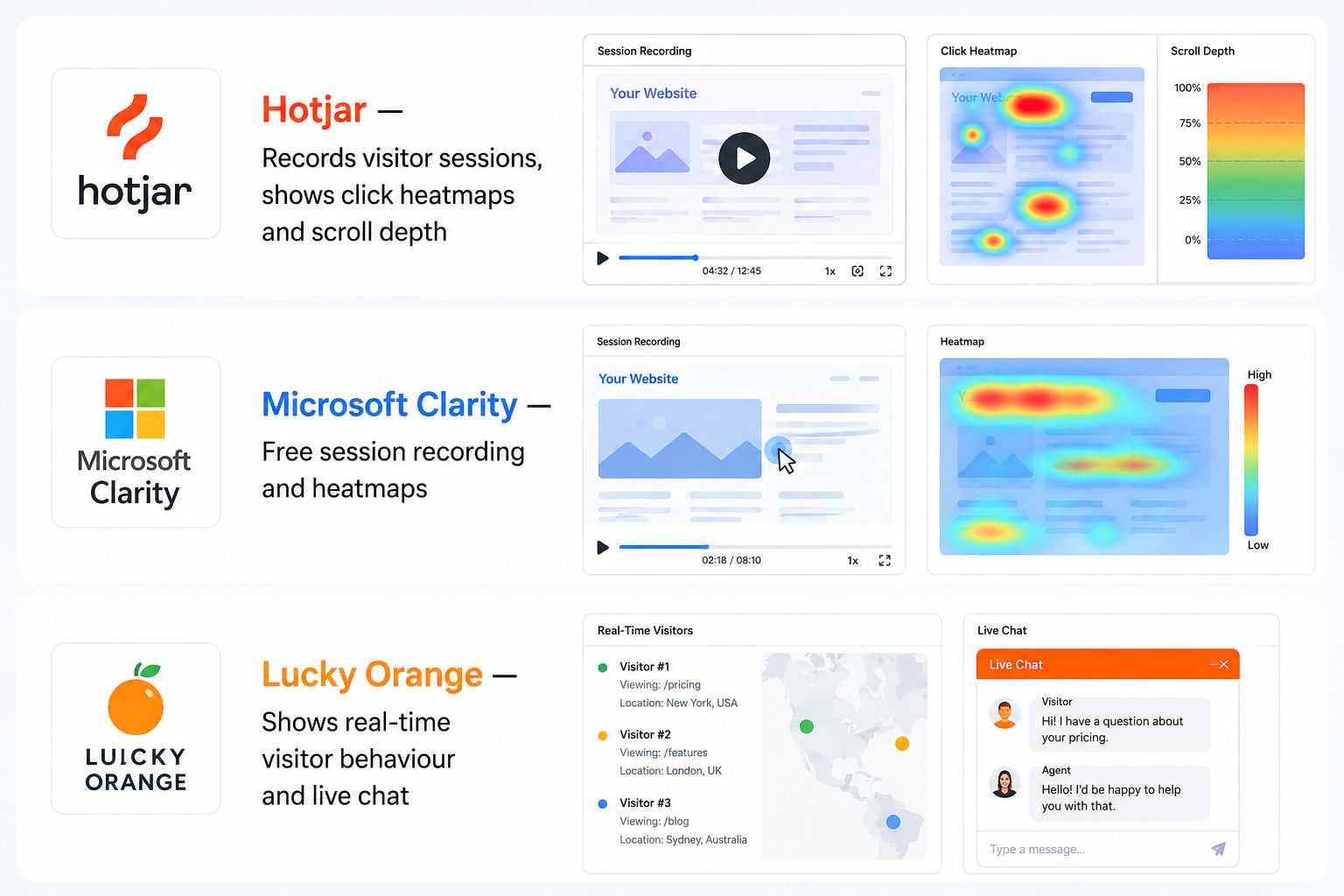
If visitors are scrolling past your CTA without clicking, behaviour tools will show you that. Then you can act on it.
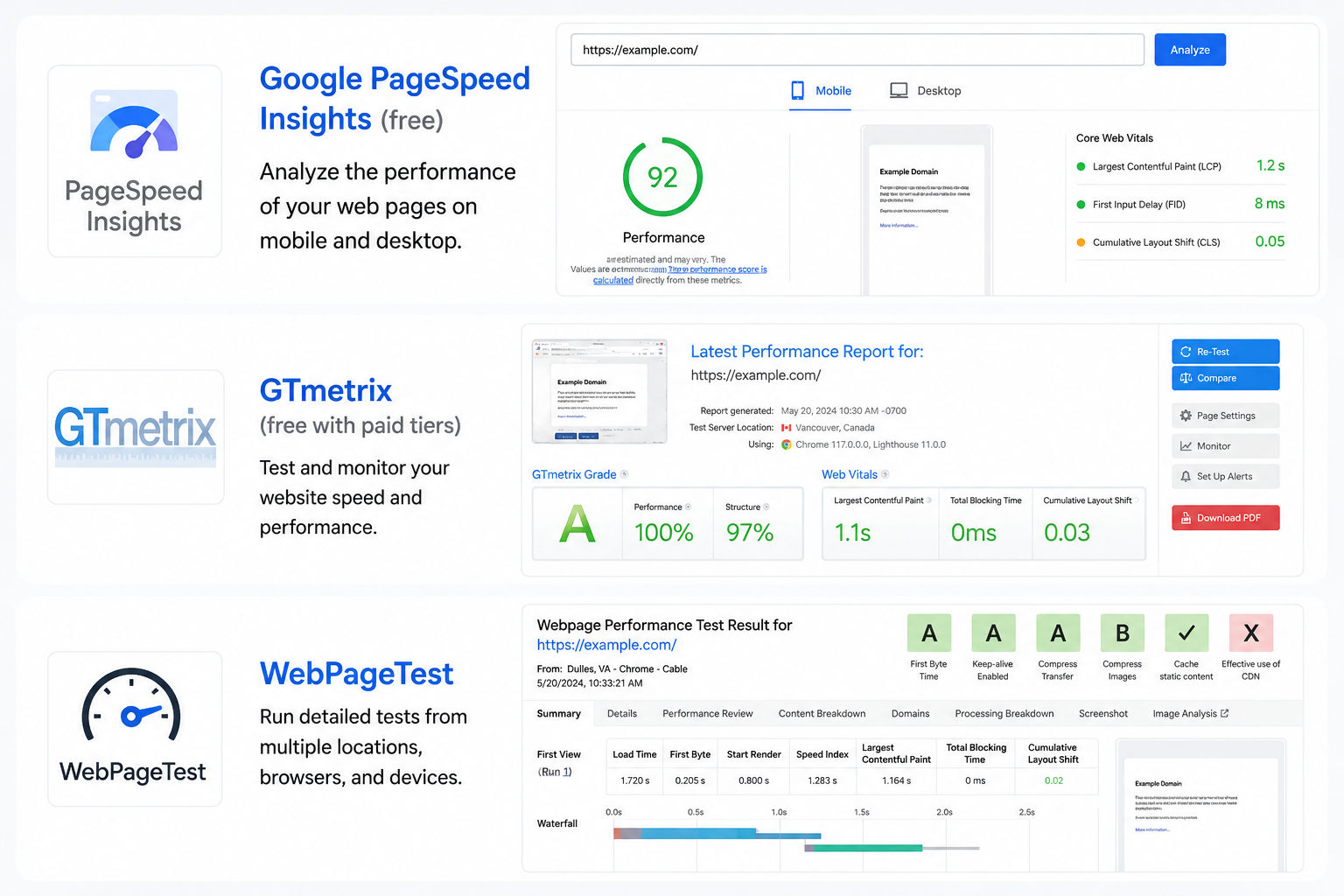
Run these before and after every major change. Speed improvements often give you a conversion lift without changing any copy or design.
If you'd rather have experts handle this, landing page optimization services are worth considering. These agencies or consultants audit your current page, run tests, write copy, and implement changes. They're a good option when you don't have the bandwidth or expertise in-house.
What to look for when hiring a service:
Services range from one-time audits to ongoing monthly optimisation retainers.
Also Read: Digital Marketing Types: Top 12 Digital Marketing Types You Should Know
Subscribe to upGrad's Newsletter
Join thousands of learners who receive useful tips
Many landing pages fail for simple reasons, not because the product is bad. Not because the traffic quality is poor. The problem usually comes from avoidable conversion mistakes that create confusion or friction. Let's look at the biggest ones:
Brands that optimise landing pages effectively don't rely on luck. They focus on clarity, testing, speed, trust, and user intent. Small adjustments often create major conversion improvements without increasing traffic costs.
Strong landing pages guide users naturally toward action.
As digital competition increases across paid ads, SEO, email campaigns, and social media, landing page optimization becomes one of the highest-impact skills marketers can build. Businesses that ignore it usually spend more while converting less. The smartest growth often starts with fixing the page visitors already see.
Ready to start your journey? Book a free consultation with upGrad today to find the best path for your career.
There’s no fixed ideal length. A simple ebook download page may convert well with short copy, while expensive software or services often need detailed explanations, proof, FAQs, and testimonials before users feel ready to act. The real answer comes from testing user behavior, not copying competitors blindly.
Most industries see average landing page conversion rates between 2% and 5%. High-performing pages often cross 10% because they align closely with user intent, remove distractions, and use strong trust signals throughout the page. Traffic quality also changes results dramatically. Good traffic converts faster.
Usually, no. Navigation menus give visitors extra exit paths, which lowers focus and increases drop-offs. Most high-converting landing pages remove full website navigation and keep attention centred around a single action or offer. Less distraction often improves conversions surprisingly fast.
This usually happens because the landing page experience doesn’t match the promise made in the ad. Weak headlines, slow speed, confusing layouts, or poor mobile experience create friction immediately after the click. Users leave when expectations break. Consistency matters more than flashy design.
Hotjar and Microsoft Clarity are among the most searched tools for heatmaps and session recordings because they help marketers understand real visitor behavior visually instead of relying only on analytics dashboards. Clarity is popular for free tracking. Hotjar offers deeper behavior insights and surveys.
Yes, especially when small businesses spend money on ads but struggle to generate leads consistently. Landing page optimization services help improve messaging, reduce friction, and increase conversions without requiring larger marketing budgets. Even small conversion improvements can reduce acquisition costs noticeably over time.
Fewer fields usually improve conversion rates. Most high-performing lead generation pages ask only for essential details like name and email initially. Long forms create hesitation unless the offer has strong perceived value or involves high-intent B2B buyers. Every extra field adds friction. That's important to remember.
Bounce rates increase when pages load slowly, look untrustworthy, feel cluttered, or fail to match visitor intent. Mobile usability problems also play a major role because most traffic now comes from smartphones. Visitors decide quickly. Often within seconds. Small experience issues compound faster than most marketers expect.
SEO matters for landing pages too. Search-optimized landing pages can attract high-intent visitors directly from Google, especially for product demos, service pages, webinars, templates, or free tools. Strong search intent often produces better conversion quality than broad traffic campaigns. Intent-driven traffic usually converts more efficiently.
Landing pages shouldn’t stay untouched for months. Marketers usually review performance every few weeks by checking bounce rates, scroll depth, conversion rates, and CTA engagement. User expectations, competitor offers, and campaign messaging shift constantly over time. Even top-performing pages need regular testing to maintain results.
1011 articles published
We are an online education platform providing industry-relevant programs for professionals, designed and delivered in collaboration with world-class faculty and businesses. Merging the latest technolo...
Get Free Consultation
By submitting, I accept the T&C and
Privacy Policy
Level Up Your Digital Marketing Career Today!
Top Resources
MICA
Advanced Certificate in AI-Powered Digital Marketing & Communication from MICAMICA Executive Alumni Status
Certification
5 Specialisation
Classroom
4 Months
Certification
2 Months