Employee Recognition Programs
By upGrad
Updated on May 08, 2026 | 10 min read | 2.56K+ views
Share:

All courses
Certifications
More
By upGrad
Updated on May 08, 2026 | 10 min read | 2.56K+ views
Share:
Table of Contents
Employee recognition programs help organizations appreciate employees for their achievements, contributions, and commitment to company values. These structured initiatives create a positive work environment where employees feel valued and motivated to perform at their best.
A well-designed recognition program improves employee engagement, strengthens workplace culture, and increases retention. By combining formal rewards with frequent, meaningful appreciation, businesses can encourage productivity, teamwork, and long-term employee satisfaction.
In this guide, you will learn what employee recognition programs are, why they matter, the different types of companies use, and how to build one successfully. You will also explore common mistakes, practical examples, and answers to frequently asked questions. The goal is to help HR teams, managers, and business leaders create recognition systems that truly work.
Explore Management Courses to develop effective strategies for appreciating employee achievements, boosting workplace morale, improving engagement, and fostering a positive organizational culture that supports long-term business success.
Popular Management Programs
Employee recognition programs are formal systems designed to celebrate staff achievements, career milestones, and actions that reflect a company’s core values. By cultivating an environment where people feel genuinely valued, these initiatives help drive higher retention rates, sharpen employee focus, and lift overall team morale.
To be truly effective, these programs should be:
Also Read: The 5 Best Ways for Employee Engagement!
Free Courses
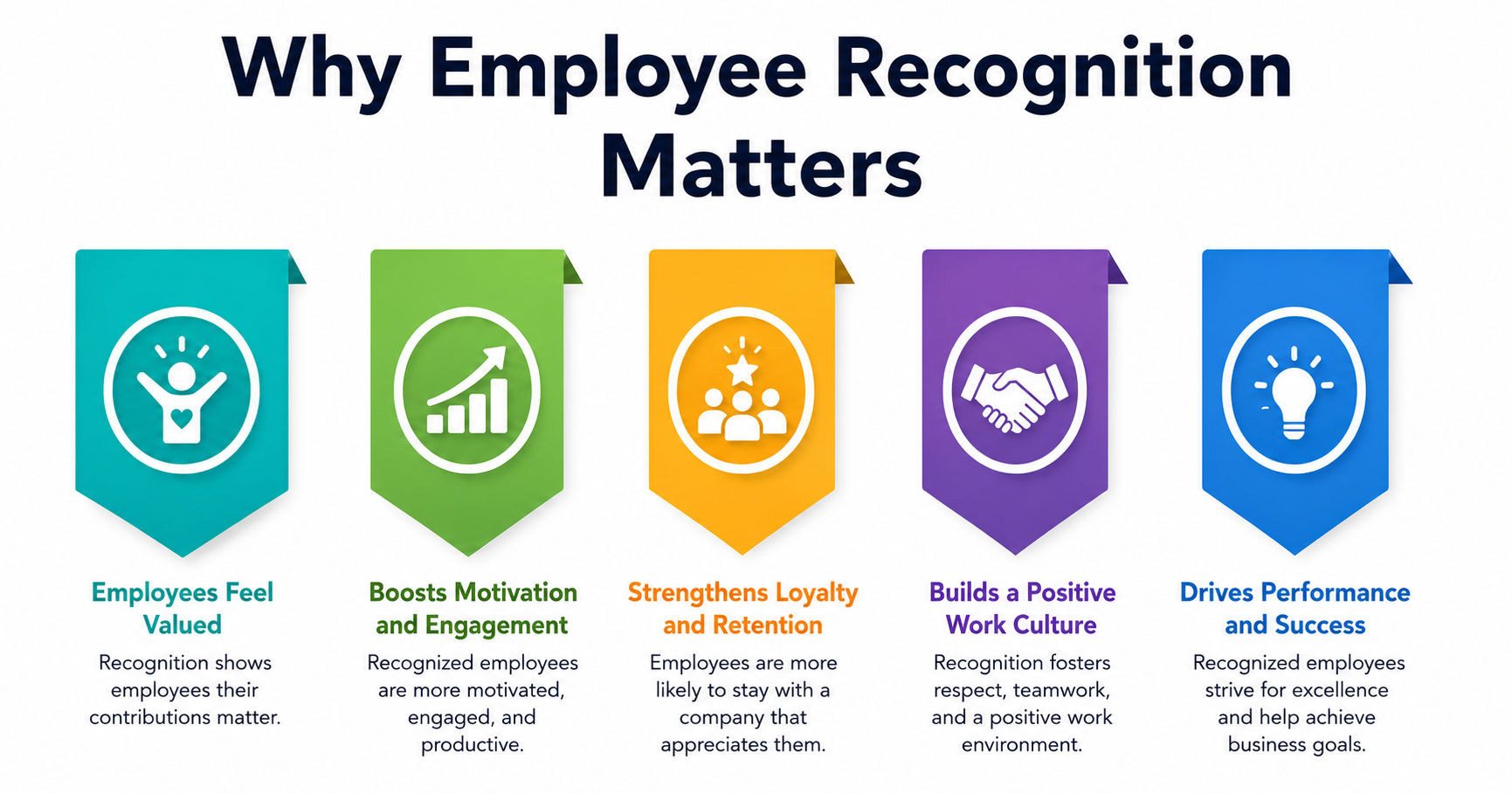
Employees thrive when they know their contributions are valued. Consistent recognition not only validates their efforts but also fuels motivation and commitment. When organizations make recognition a priority, the impact is powerful.
Recognition programs also provide a structured way to celebrate achievements, milestones, and behaviors that align with company values, ensuring appreciation is consistent and meaningful.
Management Courses to upskill
Explore Management Courses for Career Progression
IIIT-B & IIM, Udaipur
Chief Technology Officer & AI Leadership ProgrammeOrganizations use different recognition methods based on their workplace culture, business goals, team structure, and budget. A well-balanced recognition strategy often combines multiple approaches to keep employees motivated and engaged.
Below are the types of recognition:
Both approaches are essential. Together, they create a balanced system that consistently acknowledges employee contributions, celebrates milestones, and reinforces behaviors aligned with organizational values.
Formal recognition: Structured programs that follow defined processes, often tied to awards or events. These initiatives highlight significant achievements and milestones.
Examples include:
Informal recognition: Spontaneous appreciation occurs in everyday interactions. It’s personal, immediate, and often more frequent.
Examples include:
Also Read: 4 Inspiring Ways You Can Improve Your Employee Development Methods
To build an effective Employee Recognition Program, you need to move beyond generic "Employee of the Month" plaques. Success lies in weaving appreciation into the daily workflow by making it timely, personalized, and deeply connected to your organization’s identity. When recognition is both frequent and meaningful, it bridges the gap between remote and in-office teams, ensuring everyone feels a vital part of the mission.
Before launching a program, you must define the "why" behind your appreciation efforts. Aligning rewards with your specific mission ensures that recognition isn't just a nice gesture, but a strategic tool for growth.
The impact of a compliment has a shelf life; the longer you wait to give it, the less it resonates. Shifting from annual formal reviews to a "real-time" mindset keeps motivation high throughout the entire year.
A one-size-fits-all approach often misses the mark because every employee value different forms of praise. Offering a variety of ways to be seen and rewarded, ensures the program feels inclusive and sincere.
Employee recognition programs can improve engagement, motivation, and retention when done correctly. However, poorly designed recognition efforts can create frustration instead of appreciation. Employees may feel overlooked, disconnected, or even demotivated when recognition feels inconsistent or unfair.
Many organizations make the mistake of treating recognition as a formality rather than an ongoing part of workplace culture. Understanding these challenges can help companies build more meaningful and effective recognition strategies.
One of the biggest mistakes companies make is recognizing employees only during annual reviews or special occasions. Appreciation that happens once or twice a year often feels forced and disconnected from daily work.
Employees want regular acknowledgment for their contributions. Frequent recognition keeps motivation high and reinforces positive behavior consistently.
Instead of Waiting for yearly performance reviews to appreciate employees. Try to Offer weekly or monthly recognition through meetings, messages, or team platforms.
Simple phrases like “Good job” or “Well done” may sound positive, but they often lack meaning when overused. Employees value recognition that clearly explains what they did and why it mattered.
Specific appreciation feels more genuine and memorable. So, instead of saying “Great work on the project.” Say “Thank you for staying late to solve the client issue. Your quick action helped the team meet the deadline.”
As this approach helps organizations acknowledge and reward employee performance, milestones, and behaviors aligned with company values more effectively.
Not every employee wants recognition in the same way. Some enjoy public appreciation, while others prefer private feedback.
Treating every employee the same can reduce the impact of recognition programs. Flexible recognition creates a more inclusive employee experience.
Recognition Style |
Employee Preference |
| Public appreciation | Employees comfortable with visibility |
| Private feedback | Employees who prefer personal recognition |
| Rewards and incentives | Employees motivated by tangible benefits |
| Growth opportunities | Employees focused on career development |
Many companies rely only on managers to recognize employees. This limits appreciation to formal interactions and overlooks everyday teamwork.
Peer recognition encourages collaboration and strengthens workplace relationships; it also creates a stronger sense of belonging.
We must encourage employees to:
Some organizations unintentionally celebrate unhealthy work habits. For example, rewarding employees only when they work overnight to fix emergencies may encourage burnout.
Recognition should support sustainable and proactive behavior. This creates a healthier and more productive work culture. So, instead of rewarding, Employees who constantly handle crises. Try recognizing teams that prevent problems through planning and teamwork.
Balanced recognition helps employees feel equally valued. Repeatedly, recognizing the same employees can create resentment within teams. Employees may feel ignored even when they contribute consistently.
Recognition programs should be fair, transparent, and inclusive.
To avoid such Favoritism, one must:
Low-value or repetitive rewards often fail to create emotional impact. Generic company merchandise may feel more like a routine giveaway than meaningful appreciation.
Employees usually value personalized rewards more than standard gifts. Allowing employees to choose rewards increases satisfaction and engagement.
Less Effective Rewards |
More Meaningful Alternatives |
| Generic company merchandise | Personalized thank-you gifts |
| Standard gift items | Flexible reward choices |
| Repetitive certificates | Experience-based rewards |
| Basic swag items | Learning or wellness benefits |
Small improvements can make employee recognition programs more meaningful and impactful.
Common Mistake |
Better Recognition Approach |
| Monthly “Employee of the Month” only | Instant spot recognition for helpful actions |
| Generics thank-you messages | Values-based appreciation tied to employee actions |
| Forced public praise | Flexible recognition based on employee preference |
| Standard cash bonuses | Personalized reward options |
| Basic service anniversary emails | Personalized milestone celebrations |
| Rewarding crisis management only | Recognizing proactive planning and teamwork |
Organizations can strengthen recognition programs by making appreciation consistent, meaningful, and accessible.
Recognition should be easy and natural. Many companies now use workplace tools to support ongoing appreciation. Technology makes recognition more visible and consistent.
Popular options include:
Managers should understand how to appreciate employees effectively. Strong leadership improves the impact of employee recognition programs.
Training should focus on:
Tracking recognition data helps organizations identify participation gaps and improve fairness. Data helps companies create more balanced recognition systems.
Useful metrics include:
Small and regular appreciation often creates a bigger impact than occasional large rewards. Consistent appreciation helps employees feel valued throughout the year, not just during formal events.
Simple recognition habits include:
Employee recognition programs are essential for building a positive workplace culture, improving employee engagement, and increasing overall productivity. Companies that regularly recognize employee achievements, milestones, and behaviors that reflect organizational values often create stronger teams and a more supportive work environment. Effective recognition does not need to be expensive or overly formal. Even simple, timely, and sincere appreciation can make a meaningful difference.
Successful employee recognition programs are consistent, inclusive, and aligned with business objectives. Whether through peer-to-peer recognition, service awards, or manager-led appreciation, these initiatives help employees feel connected, respected, and inspired to deliver their best performance.
Ready to start your journey? Book a free consultation with upGrad today to find the best path for your career.
Employee recognition programs are structured initiatives that help companies appreciate employee efforts, achievements, and positive workplace behavior. These programs may include rewards, appreciation messages, awards, or milestone celebrations.
Employee recognition programs improve employee morale, retention, and productivity. Employees who feel valued are more likely to stay engaged and committed to their work. Recognition also helps companies build a positive work culture.
Small businesses can use affordable recognition methods such as thank-you notes, public appreciation, flexible schedules, and milestone celebrations. Personalized recognition often creates a stronger impact than expensive rewards.
Employee recognition should happen regularly. Frequent appreciation creates a stronger culture of trust and motivation compared to occasional recognition. Managers should recognize both small contributions and major achievements.
Recognition focuses on appreciation and acknowledgment, while rewards usually involve tangible benefits like bonuses or gifts. Both are important for employee engagement. Recognition can be verbal, written, or public. Rewards add extra motivation but should support genuine appreciation rather than replace it.
Yes, employee recognition programs can significantly improve retention. Employees are more likely to remain with organizations where they feel appreciated and respected. Recognition creates emotional connections and job satisfaction. It also reduces burnout and improves employee loyalty over time.
Managers can improve recognition by being timely, specific, and consistent. Personalized appreciation often feels more meaningful than generic praise. Leaders should regularly acknowledge and reward employee performance, milestones, and behaviors aligned with company values through meetings, messages, and feedback.
Common mistakes include inconsistent recognition, favoritism, delayed appreciation, and focusing only on top performers. These issues can reduce trust in the program. Recognition should be fair and transparent. Every employee should have equal opportunities to feel appreciated for their contributions.
Yes, remote teams benefit greatly from employee recognition programs because remote employees can sometimes feel isolated or disconnected from the organization. Digital recognition platforms, virtual celebrations, and public appreciation help remote employees stay engaged and connected with their teams.
Companies usually measure success through employee engagement surveys, retention rates, productivity data, and participation levels in recognition activities. Tracking these metrics helps organizations improve employee recognition programs and create better workplace experiences over time.
Successful employee recognition programs are consistent, fair, and aligned with company culture. Employees should clearly understand why recognition is given. Programs work best when they acknowledge and reward employee performance, milestones, and behaviors aligned with company values in a genuine and timely manner.
995 articles published
We are an online education platform providing industry-relevant programs for professionals, designed and delivered in collaboration with world-class faculty and businesses. Merging the latest technolo...
Get Free Consultation
By submitting, I accept the T&C and
Privacy Policy
Top Resources
Certification
3 Months
Certification
6 Months
O.P. Jindal Global University
Masters in International Accounting and Finance (Accredited by ACCA, UK)Master's Degree
12 Months