Project Management Methodologies
By upGrad
Updated on Jul 07, 2026 | 9 min read | 2.53K+ views
Share:

All courses
Certifications
More
By upGrad
Updated on Jul 07, 2026 | 9 min read | 2.53K+ views
Share:
Project management methodologies, such as Waterfall, Agile, Scrum, and Kanban, serve as structured frameworks designed to optimize efficiency. By providing standardized tools and guidelines, these systems allow teams to control project costs and maintain high-quality outcomes.
These frameworks establish a consistent workflow for planning, executing, and monitoring progress. Whether utilizing sequential stages or iterative cycles, implementing a formal methodology ensures that projects remain organized. This systematic approach minimizes confusion and provides a clear roadmap for achieving specific business objectives.
Explore Management Courses from upGrad to develop essential project management methodology skills, strengthen planning, execution, and risk management capabilities, and gain the practical knowledge needed to manage projects successfully with confidence, adaptability, and long-term business impact.
Popular Management Programs
Project management methodologies act as the architectural blueprints for a project’s lifecycle. By providing a structured framework, they guide teams through every phase from initial planning and resource allocation to risk mitigation and final delivery. These systems ensure that projects aren't just completed but are managed with precision and predictability.
At their core, methodologies like Waterfall, Agile, Scrum, and Kanban offer specific tools and guidelines designed to:
Also Read: What is Project Management Process: Phases and Life Cycle
Whether a project requires the rigid, linear progression of Waterfall or the flexible, iterative cycles of Agile, the right methodology transforms a complex set of tasks into a manageable, transparent, and high-quality process.
Implementing a formal approach allows organizations to move away from guesswork and toward standardized workflows. By establishing consistent methods for execution and progress tracking, companies can:
Free Courses
Project management methodologies provide structured frameworks that guide teams in planning, executing, and monitoring projects. They help optimize efficiency, control costs, and ensure quality by standardizing workflows.
The main objectives of project management methodologies include:
Different projects require different approaches. Common methodologies include:
Also Read: Types of Project Management: Methods, Industries, and Best Practices
Management Courses to upskill
Explore Management Courses for Career Progression
IIIT-B & IIM, Udaipur
Chief Technology Officer & AI Leadership ProgrammeOrganizations select methodologies based on project complexity, customer needs, and business goals. Successful methodologies usually feature:
Structured project management approaches are widely used across industries such as:
Standardized workflows improve consistency across projects. Benefits include:
Selecting the right methodology is a strategic decision that dictates how a team handles tasks, communication, and changes. Here is an overview of the most prominent frameworks used today.
Waterfall is the traditional, sequential model where a project flows through distinct stages. Each phase must be 100% complete before the next begins.
Best for: Projects with rigid requirements, fixed budgets, and predictable outcomes.

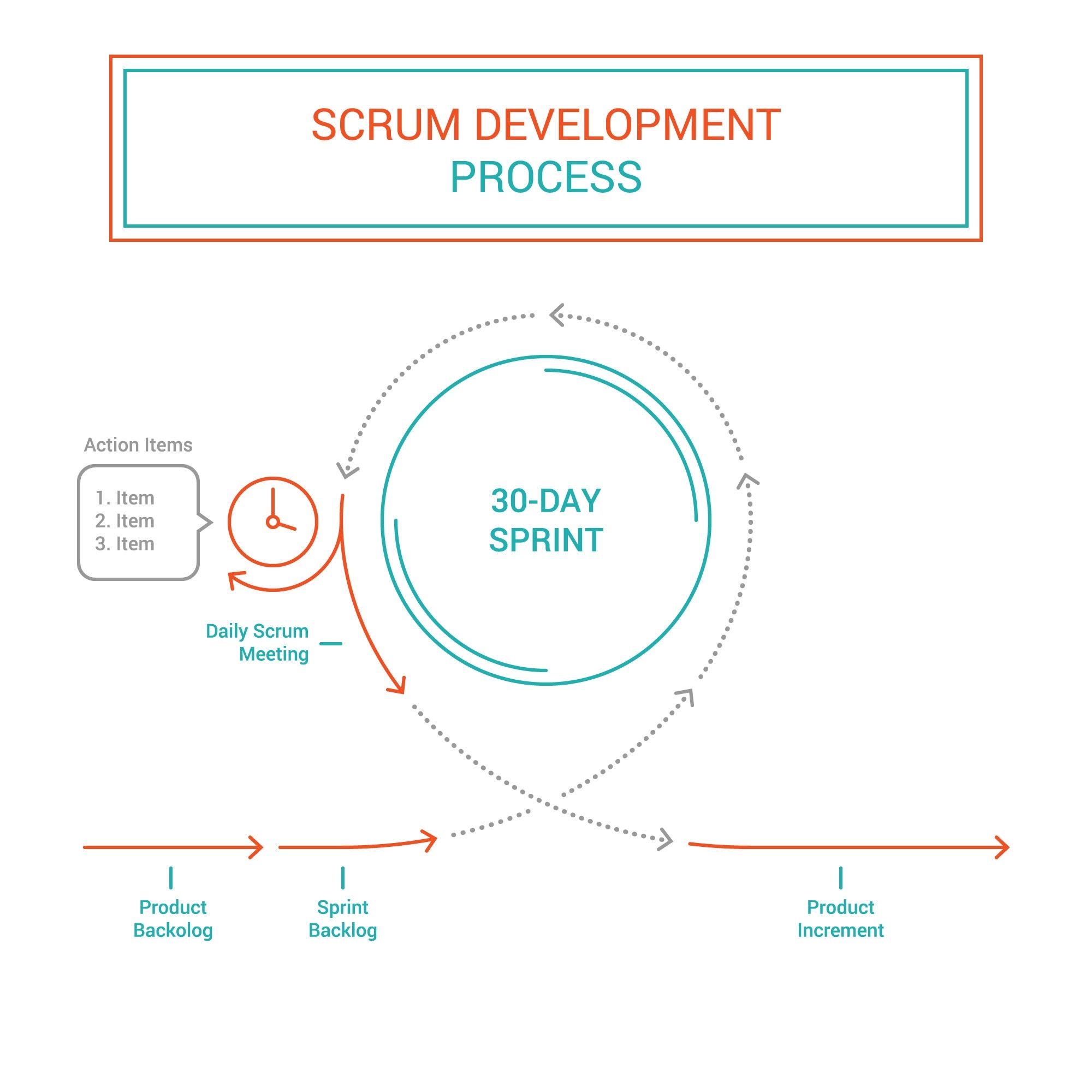
Agile is a philosophy centered on flexibility and rapid delivery. Scrum is the most popular framework within Agile, breaking work into 2–4 week "Sprints."
Core Scrum Roles:
Also Read: What is Agile Project Management? Everything You Need to Know
Kanban is an Agile framework that focuses on visual workflow management. It uses a Kanban Board to track progress and prevent team burnout by limiting "Work in Progress" (WIP).
Common Stages:
Beyond the big three, several other frameworks cater to specific organizational needs:
Selecting the right methodology is critical for project success. Different projects demand varying levels of flexibility, structure, and collaboration.
Stable projects often benefit from Waterfall, while dynamic projects requiring adaptability are better suited to Agile.
The first step is to evaluate project complexity and goals. Key factors include:
Also Read: 23+ Best Agile Project Management Tools for 2025: Features and Benefits
Team experience and collaboration style play a major role in methodology selection. Matching methodology to team capabilities boosts productivity:
Certain industries favor specific methodologies due to compliance or operational needs:
Projects that evolve frequently due to customer feedback or market changes need flexible approaches. Agile and Scrum help teams:
Modern tools enhance visibility and coordination. These platforms support planning, communication, and performance tracking. Popular options include:
Well-trained teams implement methodologies more effectively. Successful adoption requires proper training. Organizations should provide:
Regular evaluation ensures continuous improvement. Key metrics include:
Project management methodologies help organizations manage projects more effectively through structured planning, collaboration, monitoring, and quality control. They improve productivity, reduce risks, and increase the chances of successful project delivery.
Project management methodologies are structured frameworks including Waterfall, Agile, Scrum, and Kanban that provide tools and guidelines to optimize efficiency, control costs, and ensure quality in projects. These methodologies help standardize workflows and provide, at a minimum, methods for planning, executing, and monitoring progress.
Organizations that choose the right methodology can improve teamwork, customer satisfaction, operational efficiency, and long-term business performance.
Project management methodologies are structured approaches used to plan, execute, and manage projects efficiently. They help teams organize tasks, monitor progress, control budgets, and achieve project goals within deadlines and quality standards.
Project management methodologies improve project organization, communication, and risk management. They help businesses reduce delays, avoid budget overruns, improve teamwork, and deliver projects more successfully and consistently.
Waterfall follows a fixed step-by-step process, while Agile focuses on flexibility and continuous improvements. Agile allows changes during development, whereas Waterfall works best when project requirements remain stable from the beginning.
Industries such as IT, construction, healthcare, manufacturing, finance, and marketing rely heavily on project management methodologies to improve planning, coordination, quality control, and operational efficiency.
Common types include Waterfall, Agile, Scrum, Kanban, Lean, and PRINCE2. Each methodology has unique features designed for different project sizes, industries, and workflow requirements.
These methodologies define roles, communication processes, and workflows clearly. This reduces confusion, improves collaboration, and helps team members work together more efficiently toward shared project goals.
Scrum is an Agile framework that divides projects into short work cycles called sprints. Teams collaborate regularly, review progress frequently, and adapt quickly to changes throughout the project lifecycle.
Businesses evaluate project complexity, team experience, industry requirements, timelines, and flexibility needs before selecting a methodology. The right choice depends on project goals and operational priorities.
Common challenges include resistance to new processes, lack of training, excessive documentation, and balancing flexibility with structure. Organizations must support employees during implementation to improve adoption of success.
Yes, small businesses can benefit greatly from project management methodologies. Structured workflows improve planning, communication, time management, and resource allocation even in smaller teams and projects.
Popular project management tools include Jira, Trello, Asana, Monday.com, and Microsoft Project. These tools help teams track tasks, monitor deadlines, improve communication, and manage resources effectively.
1008 articles published
We are an online education platform providing industry-relevant programs for professionals, designed and delivered in collaboration with world-class faculty and businesses. Merging the latest technolo...
Get Free Consultation
By submitting, I accept the T&C and
Privacy Policy
Top Resources
Certification
3 Months
Certification
6 Months
O.P. Jindal Global University
Masters in International Accounting and Finance (Accredited by ACCA, UK)Master's Degree
12 Months