













Curriculum Studies and Learning Sciences Degree Online for Canada Professionals
From theory to advanced research, explore how learners learn best. Whether you pursue your M.Ed. or Ed.D., you’ll gain the skills to innovate, analyze, and lead curriculum reform that drives measurable learning outcomes - strengthening Canada’s future-ready education system.
- Study Flexibly with a Fully Online Structure
- Useful for Canada’s Diverse Learning Contexts
- Build Engaging Multidimensional Learning Spaces
- Design Fair and Reliable Assessment Practices
- Master Digital Learning Tools (DLTs) and Theories

-
Fully Online Format
-
10M+ Learners
-
100+ Countries Represented
-
87% Course Completion
-
20M+ Learning hours/year
-
80+ University Partners
-
Fully Online Format
-
10M+ Learners
-
100+ Countries Represented
-
87% Course Completion
-
20M+ Learning hours/year
-
80+ University Partners
Our Online Curriculum Studies and Learning Programs are Accredited!
Best-in-class content by leading faculty and industry leaders in the form of videos, cases and projects, assignments and live sessions.
Our Top University Partners – Now in Canada

.png?width=392&height=60&name=GGU%20Logo%2060px%20(1).png)
.png?width=194&height=60&name=esgci%20logo%20(1).png)

.png?width=90&height=60&name=LBS%20Logo%2060px%20(1).png)
.png?width=205&height=60&name=LJMU%20logo%2060px%20(1).png)
Online Master’s in Education Degree in Canada: Key Details at a Glance
1. Online Education Programs in Canada – A Quick Overview
The education system in Canada is renowned for high standards of learning and out-of-the-box teaching practices by widely experienced faculty. Additionally, the degrees imparted in the field of education in Canada are recognized globally.
As the demand for skilled educators and leaders in the field of academia witnesses a surge in Canada, there is a proportionate increase in the popularity of online M.Ed. and Ed.D. programs. With flexibility and affordability contributing to the popularity of these programs, they serve as credible pathways for professionals looking to upskill and advance their careers quickly.
The online M.Ed. and dual-degree programs offered on upGrad cater to the growing needs of professionals and the education industry alike, providing a win-win situation for both.
Why Pursue an Online Education Degree in Canada?
As the Canadian education sector continues to evolve at a rapid pace, the demand for academic leaders, skilled teaching professionals, and experts in Edtech continues to rise. Online M.Ed. and Ed.D. courses aim at meeting this gap by offering the following benefits to learners:
- Flexible learning format: The courses are designed with professionals' challenges and continuous work commitments in mind. Offered in a fully online or blended learning format, online education programs in Canada allow educators to achieve a fine balance between their work, studies, and personal life.
- Meets the growing demand-supply gap: Certain provinces in Canada are facing an increasing shortage of skilled teachers and educational leaders. These courses help fill that skill gap by equipping educators with the relevant industry-desirable skills.
- Career advancement: A Master of Online Education and dual degree courses on upGrad help unlock lucrative career prospects for educators, opening up pathways to senior leadership roles in the education sector.
Is an Online Education Degree in Canada Right for You?
An online M.Ed. or Ed.D. in Canada is best suited for educators and working professionals seeking growth in the field of education and academia, alongside continuing their routine work commitments. Pursuing the degree does not require you to pause your professional journey at any time; yet, upskill to take the next big leap in your career.
The degree is best suited for the following learner profiles:
- School educators: Teachers at public and private international schools aspiring to assume top leadership roles or earn advanced skills in teaching.
- Administrators: Those working in the school administration, namely principals, vice-principals, or coordinators, can significantly benefit from the degree to secure more strategic leadership positions.
- Curriculum designers: Professionals engaged in designing a course curriculum for students can gain a deeper understanding of the subject and plan the content more effectively.
- Corporate trainers: People working in the Edtech sector or in the area of learning and development in the corporate sector can earn the desired credentials through these degrees for career progression.
Eligibility & Admission Criteria for M.Ed., E.Ed or Dual Degrees </H3>
One of the key prerequisites to apply for an online M.Ed. or dual degree on the upGrad platform is the successful completion of a Bachelor’s in Education or in any other relevant field of study. Additionally, course applicants must have the required years of work experience, preferably in a teaching setting.
Listed below are the key entry requirements for M.Ed. and dual degree programs offered on upGrad by the top global universities:
- A Bachelor’s degree with at least a GPA of 3.0 on a 4.0 scale from an accredited university is required for an M.Ed. course.
- A Master’s degree in any field of study is required for Ed.D. programs.
- For dual-degree courses, a Bachelor’s degree in any field of study is considered eligible for application.
- Documents required: Statement of Purpose (SOP), Letters of Recommendation (LORs), resume, official academic and professional transcripts, as required by the university.
Market Demand for Education Professionals in Canada
The Edtech market in Canada is expected to hit USD 13.83 billion by 2033 with a CAGR of around 11.9%, according to a report by the IMARC Group. This indicates the rapid growth of the digital learning market and the sustained expansion of online learning tools to facilitate personalized and remote learning.
As a result, the demand for skilled professionals who can tailor content to meet the evolving needs of learners worldwide is increasing. This includes Digital Learning/Instructional Design Experts, Curriculum Developers for online courses, and Digital Learning Specialists.
Source: IMARC Group
High-Demand Careers in Canada for Master of Education and Dual Degree Graduates
Some of the top career roles in high demand in Canada among graduates of M.Ed. and Ed.D. programs are curriculum designers, researchers, and literacy coaches, among others. The table below further details the key roles and their primary functions of M.Ed. and Ed.D. graduates in Canada:
|
Job Role |
Key Responsibilities |
|
Instructional Designer / Curriculum Developer |
Design the curriculum and tools for learner assessment, ensuring adherence to academic standards |
|
School Principal |
In charge of all school activities, including student results, curriculum, and hiring and assessment of staff |
|
Policy Advisor |
Design, assess, and offer advice on educational policies |
|
Academic Researcher |
Research the effectiveness of teaching, inclusion, equity, etc., and publish relevant findings of the study |
|
Education Consultant |
Offer expert suggestions to districts, schools, and NGOs on the technology to be used for teaching, and evaluate the effectiveness of courses |
Skill Sets Required for Success in the Education Field
The rapidly evolving education sector today demands skills that go beyond conventional teaching methods. This is where professional specialized degrees like Online M.Ed. and Dual Degree programs help, equipping professionals with advanced skills in EdTech, leadership, and research. These skills go a long way in expediting career growth for educators. Some of the key skills here include:
- Proficiency in using tools for online collaboration, Learning Management Systems (LMS), and AI-powered platforms
- Skills in instructional design, evaluation strategies, mapping curriculum, and designing result-driven learning experiences for students
- Team leadership, strategic planning, and decision-making abilities, especially for senior roles like principal, vice-principal, or dean
2. Master of Education & Dual Degree Course Details for Canadian Professionals
The course curriculum of an M.Ed., Ed.D., or dual-degree program is designed for educators and mid-level working professionals in academia, offering a fine blend of academic brilliance and flexibility to upskill.
Some of the key features of the course are:
- Modular learning: The courses are designed in a way that the core curriculum is divided into small, manageable modules covering specific units. These include:
-
- Curriculum Design
- Academic Leadership
- Integration of EdTech
- Research Methodology
Focusing on one unit at a time enables learners to gain each skill thoroughly, understanding concepts better.
- Flexible learning: One of the best advantages of learning online is the flexibility of self-paced study. Online M.Ed. and Ed.D. courses are delivered in a 100% online format, with the option of attending evening/weekend classes as well. Moreover, the course can be attended anytime, anywhere, and anyhow, with mobile-friendly access to content.
- Industry-relevant learning: The course curriculum is specifically designed to meet the current and future demands of the education industry. It is developed in close collaboration with education consultants, school boards, and experts in EdTech. The curriculum helps bridge the skills gap, making learners job-ready for top roles.
- Dual-degree benefit: An M.Ed. can be combined with another specialization, such as Instructional Technology or Academic Leadership, to enable graduates to unlock diverse career pathways in Policy, Administration, and EdTech Consulting.
Detailed Curriculum of M.Ed. & Dual Degree Programs in Canada
The curriculum of advanced degrees in Education in Canada is designed to help educators take the next big step in their professional journey. The curriculum is developed to meet the professionals’ skill gaps and enable them to expand their contribution to the field of education.
Online M.Ed. Course Curriculum:
- Course duration: 18 months
- Total no. of courses: 10
- Core courses: 5
- Foundations of Social Justice Education
- Educating Diverse Populations
- Methods of Teaching Students with Moderate Disabilities-Secondary
- Critical Literacies
- Assessment of Learning
- Electives: 7 (choose any 1)
-
- Curriculum and Teaching: English
- Young Adult Literature
- Curriculum and Teaching Science
- Issues, Mandates, and Ethics in Special Education
- Curriculum and Teaching Math
- Leading the Professional Learning Community
- Curriculum and Teaching History
- Specializations: 4
-
- Curriculum Planning Perspectives
- Action Research
- Theories of Learning
- Models of Teaching
Online Ed.D. Course Curriculum:
- Course duration: 2 years
- Total no. of courses: 5
-
- Doctor of Education in Emerging Technologies in Education (ETE)
- Doctor of Education in Online Learning and Education Technology (OLET)
- Doctor of Education in K-12 Educational Leadership (KEDL)
- Doctor of Education in Higher Educational Leadership (HEDL)
- Doctor of Education in Curriculum Studies and Learning Sciences (CSLS)
Online M.Ed. and Ed.D. Degree Program Curriculum:
- Course duration: 30 months
- Total no. of courses: 5
-
- Master and Doctor of Education in Emerging Technologies in Education
- Master and Doctor of Education in Online Learning and Education Technology
- Master and Doctor of Education in K-12 Educational Leadership
- Master and Doctor of Education in Higher Educational Leadership
- Master and Doctor of Education in Curriculum Studies and Learning Sciences
Fee, Duration, and Flexibility of the Online Master of Education & Dual Degree
Online M.Ed. and dual-degree programs are relatively more affordable than their conventional on-campus counterparts. This is why they are an ideal choice for most learners.
|
Parameters |
Online M.Ed. |
Online Ed.D. |
Online Dual M.Ed. and Ed.D. Degree |
|
Fees |
University of Massachusetts Lowell - CAD 16,700 (approx) Edgewood University - CAD 45,256 (approx) with up to 75% scholarship available |
Edgewood University - CAD 63,354 (approx) with up to 70% scholarship available |
Edgewood University - CAD 108,607 (approx) with up to 75% scholarship available |
|
Duration |
University of Massachusetts Lowell - 18 months Edgewood University - 14 months |
24 months (2 years) |
30 months |
|
Flexibility |
University of Massachusetts Lowell - Most education degrees are offered online, providing flexibility for working professionals Edgewood University - 100% online flexible program |
100% online |
100% online |
Source: upGrad
3. Why Choose upGrad’s Online Education Degree Programs?
upGrad, one of the leading digital learning platforms today, provides learners worldwide with easy access to top advanced degrees in Education. Many of the best-known international universities offer an M.Ed., Ed.D., and a dual-degree program on the upGrad platform, bridging the gap between quality learning and a successful career.
The programs delivered on the platform by these top global universities are designed keeping in mind the evolving needs of modern learners. Hence, flexibility is at the forefront, with affordability and accessibility prime concerns too. Here’s what sets upGrad apart:
- Interactive learning – The education degree programs on the platform are designed in a way that the course content transcends pre-recorded content, focusing more on live, interactive sessions with learners and facilitating an immersive learning experience for all.
- Tie-ups with international universities – upGrad offers you the opportunity to earn a globally recognized degree and certification from internationally accredited universities. This further guarantees credibility for career growth.
- Career Support – The upGrad platform provides ongoing support to learners through personalized career coaching, interview preparation, and resume workshops.
4. Top Universities and Institutions Offering Online Education Degrees in Canada
One of the top benefits of pursuing an advanced degree in Education online is that you get complete flexibility as per your work schedule and a chance to earn a globally recognized degree from a top international university.
Some of the best universities offering an online M.Ed. or dual-degree programs in Education in Canada on the upGrad platform are highlighted below:
- Master of Education (M.Ed.) from the University of Massachusetts Lowell (UMass Lowell)
- Master of Education (M.Ed.) from Edgewood University
- Doctor of Education (Ed.D.) from Edgewood University
- Dual M.Ed. and Ed.D. Degree Program from Edgewood University
5. How to Select the Ideal Online Education Degree in Canada
Choosing the right degree program for your needs is a crucial decision and should ideally be based on your career aspirations. Whether you want to assume top leadership positions in the education arena or pursue academic research, or are keen on following a combination of both, it helps to compare and make an informed choice based on the following factors:
|
Degree |
Ideal For |
Focus |
Career Outcome |
|
M.Ed. |
Educators aspiring for leadership roles |
Curriculum design, practical teaching methods, and academic leadership |
|
|
Ed.D. |
Professionals aiming for senior leadership positions in education administration |
Educational policy, applied research, organizational change |
|
|
Dual degree |
Educators wanting to combine academic learning with business acumen |
Leadership, education, and management expertise |
|
6. Online M.Ed. vs Doctor of Education vs Dual Degrees
To make an informed choice between the three types of advanced education degrees - M.Ed., Ed.D., and dual-degree programs - online, it is best to evaluate the pros and cons of each.
Online M.Ed.
Pros of Online M.Ed.
- Emphasis on hands-on teaching methods, curriculum design, and leadership in education
- Flexibility in learning, relatively shorter course duration, and more affordable than an Ed.D.
Cons of Online M.Ed.
- Learning is insufficient for leadership roles at the university level
- Limited scope in research-oriented career paths
Online Ed.D.
Pros of Online Ed.D.
- Helps create expertise for top-level leadership positions in policy reform and education administration
- More focus on research and ideal for leadership, educational policy-making, and innovation
Cons of Online Ed.D.
- Heavy commitment needed for research and academic writing
- Relatively longer course duration, which means more cost and time investment
Online Dual Degree
Pros of Online Dual Degree
- Unlocks more diverse career pathways besides conventional teaching roles
- Offers a combined experience of academic learning with business/management expertise
Cons of Online Dual Degree
- Relatively costlier
- An additional workload of two degrees pursued in parallel
7. Conclusion
The choice between an M.Ed., an Ed.D., and a dual-degree program may seem overwhelming; however, keeping your focus and career outcome priorities straight can help you make an informed choice.
While an M.Ed. is best to gain practical teaching experience, an Ed.D. is ideal for making a significant contribution to educational policy-making or leadership roles. On the other hand, a Dual Degree is a perfect blend of both educational skills and business acumen, unlocking diverse career prospects for graduates.
Align your choice with your goals and take the next big leap in your education career path in Canada!
8. Frequently Asked Questions (FAQs)
Is a Master of Education degree recognized in Canada?
Yes, an M.Ed. degree is recognized by many educational institutions in Canada, allowing graduates to pursue employment in the education sector at various senior levels. You can read more about the value of an Online Master of Education in Canada.
Do I need prior teaching experience to be eligible for a Master of Education program in Canada?
No, it is not mandatory to have prior experience in teaching to apply for an M.Ed. program in Canada. Some courses may accept applications from candidates with relevant work experience in other related fields.
What are the Master of Education career opportunities after completing an online program in Canada?
Some of the top career prospects after completing an online M.Ed. in Canada are:
- Principal
- Career consultant
- District Administrator
How much does a Master of Education online cost in Canada?
The average fees for an online M.Ed. in Canada from a recognized university range from CAD 16,700 to CAD 45,256 (approximately). Some universities offer scholarships too.
Is a dual degree in Education worth it in Canada?
Absolutely! A dual degree in Education opens up broader career options for graduates, as they now have a broader skill set.
What’s the difference between an M.Ed. and Ed.D. in Canada’s context?
An M.Ed. is a Master’s-level degree that primarily focuses on the practical application of advanced educational theory in academic roles. An Ed.D. degree is a doctoral-level program focusing on rigorous research and creating leaders in educational administration.
Offerings
Services to Help You Achieve Your Goal
Access the various career development support services offered by upGrad to help you achieve your professional goals.
Industry Driven
- Learn through a curriculum created by the industry for the industry
- Learn and get coached by accomplished practitioners from around the world
Flexible
- Experience world-class education on-demand through our proprietary app and website
Unparalleled Support
- 24 x 7 Support augmented with chatbot
- Get expert verified resolutions for all your doubts within hours
- Weekly live sessions with scholar-practitioners on doubts, career & communication
Career Preparation
-
1-1 Career Coaching
-
Career preparation modules
-
AI-powered Profile builder
-
Just-in-time mock interviews
- Post-program career support
Industry Mentorship
- Receive mentorship from leaders in the domain to help you reach your desired goal
Networking
- Get world-class credentials without your job from the comfort of your phone
Learn Online Curriculum Studies and Learning from the Best Instructors
Whom will you learn from?
-
3 Instructors


Kelli Coller

-
Kelli serves as a Program Coordinator for Educational Leadership and as a Senior Lecturer teaching in the Doctoral and Master’s programs. Kelli’s research interests include bypassing barriers for underrepresented students, mergers among public higher education institutions, and quantitative methods. She brings over 17 years of teaching experience in physics and mathematics. She is a first-generation student who earned her BS from the University of Wisconsin Eau Claire, her MS from Universities of Wisconsin Platteville, and her EdD from Edgewood University. In her free time, Kelli enjoys time with her family, friends and furbabies, time on the water and in the woods, and harvesting and preserving vegetables, meats, and fruits.
Read More


Kimberly Shult

-
Has worked since 2009 in mental health care, education, and ministry. She completed her Masters of Marriage and Family Therapy in 2011 and her Doctor of Education in 2022. As a dissertator, she explored the experiences of middle and high school teachers educating students impacted by trauma. She is a narrative researcher and loves spending time inpeople’s stories. These days, she devotes her time to coaching collegiate volleyball, teaching in the Psychology and Education departments at the college, homeschooling her children, partnering with K12 schools to provide intensive trauma interventions for students, offer wellness services to helping professionals, and support first responders through work as a critical incident stress debriefer.
Read More

Margene Anderson

-
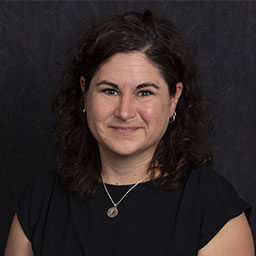
Margene has spent over two decades as an educator, first as an English Teacher and Library Media and Technology Teacher in K-12, and then as a Sr. Teaching and Learning Consultant at the University of Wisconsin - Madison. Margene recently accepted a position as the UW School of Veterinary Medicine's Educational Advancement and Faculty Development Director, where she leads educational research, faculty mentoring, and professional development initiatives. Margene's research is focused on clinical reasoning, health professions education, and instructional methods in higher education. Margene holds a Lifetime Teaching License, B.S. in Secondary Education and English from UW - Madison, a M.S. in Curriculum and Instruction from UW - Whitewater, a license in administration and Ed.D. in Higher Education and Leadership Studies from Edgewood University.
Read More

Melinda Verdone

-
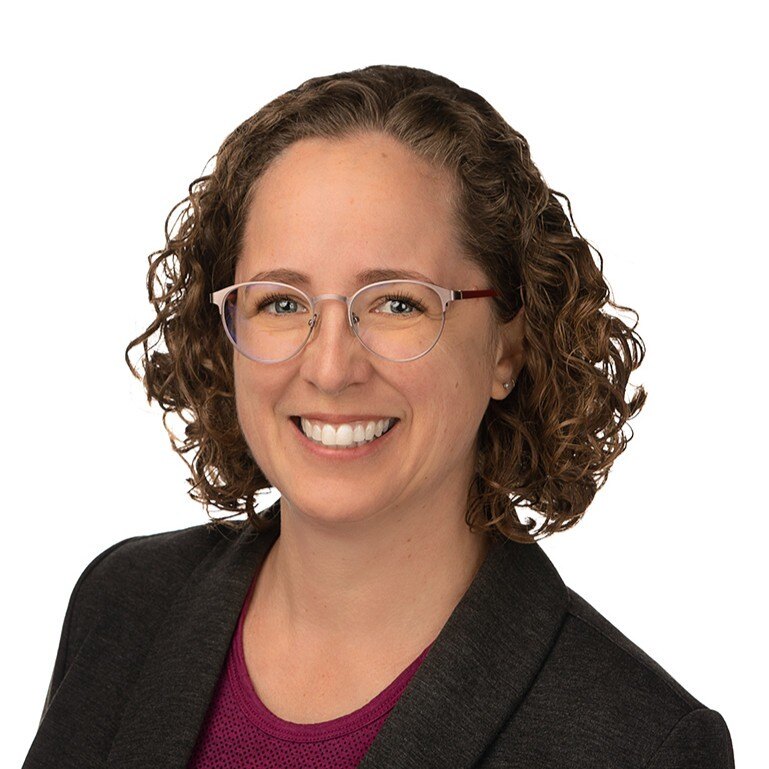
Melinda Verdone, Ed.D., is an experienced higher education professional with a strong focus on supporting first-year, first-generation, and diverse student populations. With an Ed.D. in Higher Education Leadership from Edgewood University, Madison, WI, her research focused on the stress experienced by first-year students in graduate-level health care professional programs. She also holds an M.A.Ed. in Teaching and Learning, also from Edgewood University, and an M.S. in Microbiology from Northern Illinois University. She is certified as a Project Management Professional (PMP) by the Project Management Institute and holds Illinois Professional Educator and Wisconsin Initial Educator Licenses. Melinda has experience in a variety of teaching and administrative capacities in higher education, including Associate Dean, Academic Program Manager, Educational Specialist, and Faculty.
Read More
Curriculum Studies and Learning Blogs
You Might Like to Read

FAQs about Curriculum Studies and Learning in Canada
1. What is the difference between the M.Ed. and Ed.D. in Curriculum Studies and Learning in Canada?
2. What are the main focus areas of Curriculum Studies and Learning programs in Canada?
3. How do these degrees help Canada educators strengthen instructional design and research skills?
4. What research themes are commonly explored in Ed.D. programs in Canada?
5. Who should consider pursuing a Master of Education or Doctor of Education in this field?
6. Are these M.Ed. and Ed.D. programs suitable for professionals beyond classroom teaching in Canada?
7. How do these programs prepare educators for leadership and education policy roles in Canada?
8. Can students complete the M.Ed. or Ed.D. in Curriculum Studies and Learning fully online in Canada?
9. What professional outcomes can graduates expect after completing these degrees in Canada?
10. How does the Ed.D. differ from a Ph.D. in Curriculum Studies and Learning in Canada?
upGrad Learner Support
Monday - Saturday | 24 Hours
*If we are unavailable to attend to your call, it is deemed that we have your consent to contact you in response.